Intriguing Facts about a Pangolin, the Scaled Mammal
Pangolins are some of the most unique creatures on Earth, often referred to as “scaly anteaters” due to their distinctive physical characteristics and insect-eating habits.
These solitary mammals, found in Africa and Asia, are extraordinary in appearance and behavior. Unfortunately, they are also among the most trafficked animals globally, making conservation efforts critical to their survival. Below are interesting facts about a pangolin that highlight their importance in ecosystems and the need to protect them.
What Is a Pangolin?
A pangolin is a nocturnal, insect-eating mammal renowned for its protective keratin scales—the only mammal with this feature. The name “pangolin” derives from the Malay word pengguling, meaning “one who rolls up,” perfectly describing its signature defense mechanism.
There are eight species of pangolins: four in Africa (ground, giant ground, white-bellied, and black-bellied) and four in Asia (Indian, Philippine, Sunda, and Chinese).
These species vary in size, from the tiny black-bellied pangolin (about 3 kg) to the giant ground pangolin (up to 33 kg). For anyone searching pangolin definition or what kind of animal is a pangolin, think of it as a scaly anteater that belongs to the order Pholidota, evolutionarily distinct from armadillos or other armored creatures.
Pangolin species highlight biodiversity: African ones thrive in savannas, while Asian counterparts prefer dense forests. All share a toothless mouth, powerful claws for digging, and a prehensile tail in tree-dwelling types.
Physical Characteristics of a Pangolin
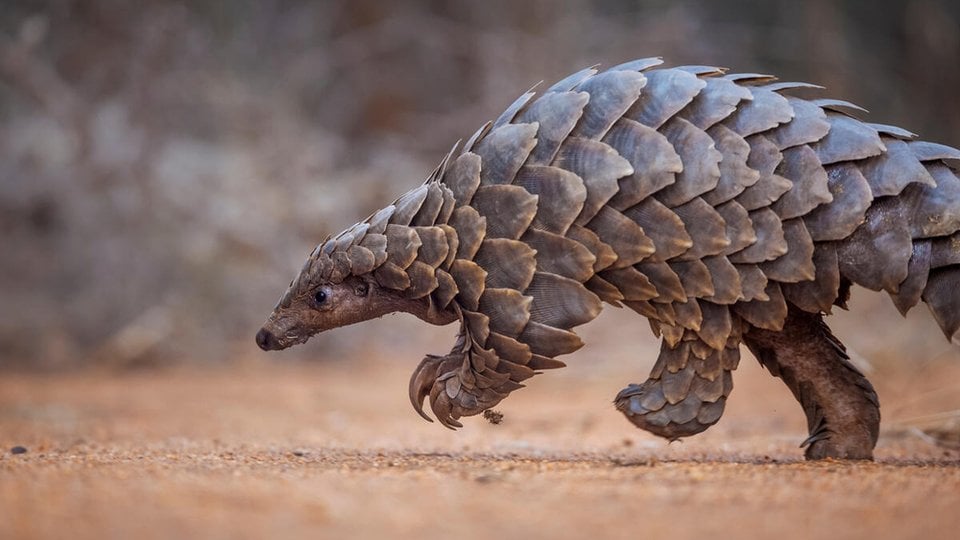
The pangolin appearance is unforgettable. Its body is cloaked in overlapping scales made of keratin—the same protein in human fingernails and rhino horns. These sharp-edged plates act as armor, deterring predators like lions or tigers. Scales comprise about 20% of a pangolin’s body weight, growing throughout its life and shedding like hair.
A pointed snout houses a sticky tongue that extends up to 40 cm in larger species—longer than the animal’s head and body combined when retracted. Powerful foreclaws rip open termite mounds, while hind legs provide stability.
Pangolins lack teeth; instead, they grind food in a gizzard-like stomach with ingested pebbles. Their small eyes suit nocturnal life, and some species have prehensile tails for climbing. In pangolin anatomy, the scales can erect when threatened, creating a razor-sharp barrier.
Brief Amazing Facts About Pangolins
Here are 15 pangolin facts for kids and fun facts about pangolins that reveal their wonders:
- Pangolins are the only mammals wholly covered in scales.
- Their tongue can exceed their body length, stored in a chest pouch when not in use.
- They consume up to 70 million insects annually—natural pest controllers!
- Toothless, they use stomach stones to mash ants and termites.
- When scared, they roll into an impenetrable ball, inspiring the nickname “scaly anteater.”
- Scales are keratin-based, harvested tragically for fake medicine.
- A single pangolin eats 20,000 insects nightly.
- Solitary and nocturnal, they avoid humans entirely.
- Babies cling to moms’ tails like living backpacks.
- They swim expertly, holding breath underwater.
- Claws dig burrows up to 40 meters deep.
- Senses rely on smell; vision is poor.
- One puff of musk deters threats like a skunk.
- Lifespan reaches 20+ years in wild, longer in captivity.
- Over 1 million trafficked in the past decade—more than elephants, rhinos, and tigers combined.
Fascinating facts about a pangolin Explained
1. Unique Body Armor
Pangolins are the only mammals in the world with protective keratin scales covering their bodies. These scales, which make up about 20% of their body weight, serve as their primary defense mechanism. When threatened, pangolins roll into a tight ball, exposing only their tough, impenetrable scales to predators. This defensive posture makes it extremely difficult for predators like lions or leopards to harm them.
2. Ancient Origins
Pangolins are ancient creatures, with fossil records suggesting that their ancestors roamed the Earth over 80 million years ago. They belong to the order Pholidota, which means “scaled animals.” Despite their prehistoric roots, pangolins have evolved very little, maintaining their distinctive traits through the ages.
3. Masters of Pest Control
Pangolins play a vital role in controlling insect populations in their habitats. A single pangolin can consume up to 70 million insects annually, primarily ants and termites. Their long, sticky tongues—some of which can extend up to 40 centimeters—are perfectly adapted for extracting insects from nests and tunnels. By keeping these populations in check, pangolins contribute to the balance of ecosystems and prevent overpopulation of insects.
4. Incredible Digging Ability
Pangolins are excellent diggers. They use their powerful, clawed forelimbs to break into termite mounds and ant nests. These claws are also helpful for burrowing into the ground to create their homes, which offer protection from predators and extreme weather. Their burrows can be quite large, with multiple chambers and a single entrance that they carefully conceal.
5. Varied Habitats
Pangolins inhabit a diverse range of environments, including forests, grasslands, and savannahs. Depending on the species, they can be arboreal (tree-dwelling), terrestrial (ground-dwelling), or both. Arboreal pangolins, like the African white-bellied pangolin, are excellent climbers, using their strong tails to grasp branches. Terrestrial species, like the giant pangolin, primarily stay on the ground but are equally fascinating in their adaptability.
6. Silent and Solitary Creatures
Pangolins are shy, nocturnal animals that prefer solitude. They communicate through scent marking and rarely vocalize. This elusive behavior, combined with their camouflage-colored scales, makes them difficult to spot in the wild. Despite their reclusive nature, pangolins have a unique charm that fascinates those lucky enough to encounter them.
7. A Tongue Like No Other
The pangolin’s tongue is one of its most remarkable features. Unlike most mammals, its tongue is not attached to the hyoid bone in the mouth. Instead, it is rooted deep in the chest cavity, near the sternum. This unusual anatomy allows the tongue to be extraordinarily long, making it ideal for probing deep into insect nests.
8. Limited Reproduction
Pangolins are slow breeders, which contributes to their vulnerability as a species. Female pangolins typically give birth to just one offspring per year after a gestation period of 3 to 5 months. At birth, baby pangolins, known as pangopups, have soft, pale scales that harden as they grow. The mother carries the pangopup on her back or tail, fiercely protecting it from harm.
9. Cultural Significance
Pangolins have held cultural and symbolic significance in many societies. In some African and Asian cultures, pangolin scales are believed to possess medicinal or spiritual properties, although there is no scientific evidence to support these claims. Unfortunately, this has also made pangolins a target for illegal poaching and trade.
10. Conservation Status
All eight species of pangolins are listed as either vulnerable, endangered, or critically endangered on the IUCN Red List. Habitat loss, hunting, and illegal trafficking for their scales and meat have contributed to their decline. The demand for pangolin scales in traditional medicine, particularly in parts of Asia, has made them the most heavily trafficked mammals in the world.
11. Diverse Species
There are eight species of pangolins, four in Africa and four in Asia:
- African species: Giant pangolin, ground pangolin, white-bellied pangolin, black-bellied pangolin
- Asian species: Indian pangolin, Chinese pangolin, Sunda pangolin, Philippine pangolin
Each species has unique traits, such as size, scale color, and habitat preference. The giant pangolin is the largest, reaching lengths of up to 1.5 meters, while the black-bellied pangolin is the smallest.
12. Unique Defense Mechanisms
Besides rolling into a ball, pangolins secrete a foul-smelling liquid from their anal glands to deter predators. This chemical defense is similar to that of a skunk, making them even less appealing to would-be attackers.
13. Unusual Walk
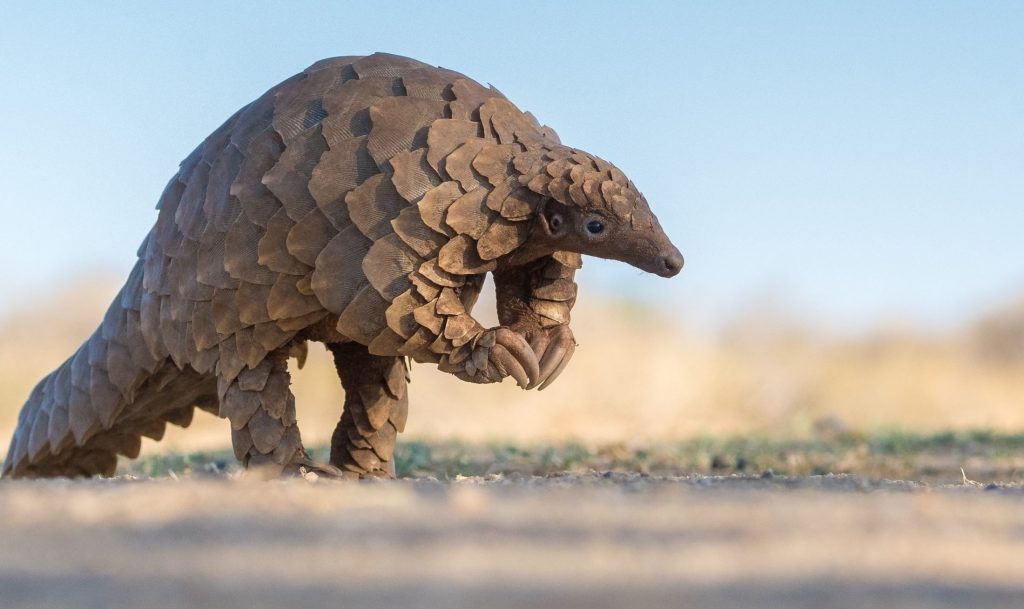
When moving on the ground, pangolins use their hind legs while curling their forelimbs inward to protect their claws. This distinctive gait makes them look almost like they’re waddling, adding to their quirky charm.
14. Misunderstood Creatures
Pangolins are often mistaken for reptiles due to their scales, but they are mammals through and through. Their scales are made of keratin, the same material as human fingernails and hair, distinguishing them from reptiles with bony scales.
15. Conservation Efforts
Various organizations and governments are working tirelessly to protect pangolins from extinction. Anti-poaching patrols, rehabilitation centers, and stricter wildlife trade regulations aim to curb the illegal trade in pangolins and their parts. Education campaigns also help raise awareness about the ecological importance of these animals.
16. The Future of Pangolins
Despite the challenges, hope remains for pangolins. Increased awareness, global cooperation, and advancements in conservation strategies are helping to protect these remarkable creatures. If efforts continue, pangolins can thrive in the wild, maintaining their essential role in ecosystems.
Pangolin Habitat and Distribution
Where do pangolins live? African species inhabit sub-Saharan regions: ground pangolins in Uganda, Tanzania, Kenya, Ghana, and South Africa’s savannas; tree-dwellers in West African rainforests. Asian pangolins range from India and China to Indonesia and the Philippines, favoring tropical forests and bamboo thickets.
Preferred pangolin habitat includes grasslands, woodlands, and sandy soils for burrowing. They avoid deserts or high mountains. Climate change and deforestation shrink these areas, fragmenting populations. For African pangolin distribution, East Africa hosts thriving (yet declining) groups; in Asia, the Chinese pangolin nears extinction in its namesake country.
Diet and Feeding Habits
Pangolins are strictly insectivorous. What do pangolins eat? Primarily ants, termites, and larvae—no plants or meat. Their pangolin diet sustains them with high-protein bugs.
Feeding is mesmerizing: strong claws tear nests, then the extensible, saliva-coated tongue flicks out at lightning speed, capturing prey. One session yields thousands of insects; they seal nests post-meal to preserve colonies. No water needed—they hydrate from prey. In captivity, substitutes like eggs or meat fail long-term.
Pangolin feeding behavior is eco-friendly: selective eating prevents insect overpopulation.
Behavior and Lifestyle
Pangolins embody shyness in their pangolin behavior. Mostly solitary (except mothers with young), they’re active at night, foraging alone. Pangolin lifestyle involves burrowing: tree species climb with tails, ground ones dig extensive tunnels for sleep and safety.
The iconic pangolin defense mechanism—curling into a ball—makes them nearly invulnerable; even lions struggle to pry them open. They emit foul odors or hiss as warnings. Excellent swimmers cross rivers effortlessly.
Reproduction and Lifespan
Pangolin reproduction is low-key. Females birth one pup annually after 5–7 months gestation. Blind and soft-scaled at birth, baby pangolin pups harden scales quickly and ride on mom’s tail for months, learning survival.
Mating occurs year-round in some species; males mark territories with urine. Pangolin lifespan in wild: 10–20 years, limited by threats. Captive ones exceed 20.
Conservation Status and Threats
All eight species face crisis as endangered pangolin creatures per IUCN Red List—three critically endangered. Pangolin poaching drives this: scales for bogus traditional Chinese medicine (claiming unproven cures) and meat as delicacy.
Over 1 million trafficked since 2000, mainly to Asia from Africa. Habitat loss compounds issues. Pangolin conservation efforts include CITES bans, WWF anti-trafficking, and sanctuaries like Tikki Hywood Trust. External: IUCN Red List – Pangolin
Role of Pangolins in the Ecosystem
The pangolin importance is underrated. As voracious insectivores, they control ant/termite populations, preventing crop damage. Burrowing aerates soil, boosting nutrient cycling and plant growth.
Their decline cascades: unchecked insects harm agriculture; reduced soil health affects biodiversity. In ecological role of pangolins, they’re keystone species—why pangolins matter extends to forest regeneration.
How to Help Save Pangolins
Support pangolin conservation efforts:
- Donate to WWF or Save Pangolins.
- Boycott illegal wildlife products.
- Share awareness via #SavePangolins.
- Join eco-safaris (link to wildlife conservation safaris (/safaris)).
- Report poaching.
How to protect pangolins starts with education.
Fun Facts for Kids
Hey kids! Pangolin facts for kids: They roll tighter than a soccer ball! No teeth, but gulp 20,000 ants nightly with a super-long tongue. Babies hitch rides on mom’s tail. Scales like knight armor! Fun pangolin facts: They swim and smell with giant noses.
Conclusion
Pangolins are truly one of nature’s wonders. From their unique scales and impressive tongues to their vital ecological role as insect controllers, these mammals are unlike any other.
However, their survival depends on global efforts to curb illegal trafficking, protect their habitats, and educate people about their importance. By championing pangolin conservation, we ensure that these fascinating animals continue to grace our planet for generations to come.