
Mahale Mountains National Park Tanzania – Ultimate Guide 2025/6
Mahale Mountains National Park: Discover Mahale Mountains National Park in western Tanzania, home to wild chimpanzees, Lake Tanganyika beaches, and unforgettable primate safaris.
Hidden on the shores of Lake Tanganyika, Mahale Mountains National Park is one of Tanzania’s most remote and spectacular wilderness destinations. Famous for its wild chimpanzee population, crystal-clear beaches, and lush rainforest-covered mountains, Mahale offers one of Africa’s most intimate wildlife experiences.
Nestled in western Tanzania near the town of Kigoma, this pristine park spans dramatic peaks that rise steeply from the lake’s edge, creating a breathtaking fusion of montane forest and aquatic ecosystems.
Accessible mainly by boat or small aircraft, Mahale remains a true escape from the crowds, drawing adventurers and nature lovers who seek authentic encounters with the wild.
At the heart of the park’s allure are its chimpanzees—over 1,000 individuals roam freely in troops, sharing about 98% genetic similarity with humans, making every sighting profoundly humbling.
Beyond the primates, Mahale boasts nine other species, from playful red colobus monkeys to elusive leopards, all set against the backdrop of Lake Tanganyika, Africa’s deepest and longest freshwater lake.
Whether you’re trekking through misty forests or lounging on powdery white sands, a visit here promises tranquility and thrill in equal measure.
As experts in East African safaris, Hail Tours Uganda is thrilled to guide you through this hidden gem, ensuring your Mahale chimpanzee experience is seamless and unforgettable.
History and Overview of Mahale Mountains National Park
Established in 1985, Mahale Mountains National Park was created to safeguard its extraordinary biodiversity and the cultural heritage tied to its landscapes.
Named after the towering Mahale Mountains, which peak at over 2,460 meters, the park covers approximately 1,613 square kilometers of untouched wilderness.
This vast area protects a unique mosaic of ecosystems: from dense lowland rainforests and bamboo thickets to open grasslands and alpine moorlands, all descending dramatically to the shores of Lake Tanganyika.
Before colonial influences reshaped the region, the Watindiga and Wabende people inhabited these lands, living in harmony with the wildlife for generations.
They were skilled hunters and gatherers, relying on the forest’s bounty while respecting its spirits—a tradition echoed in the park’s conservation ethos today. In the mid-20th century, Japanese primatologist Toshisada Nishida began long-term studies here, habituating the famous M-group chimpanzees and laying the groundwork for ethical tourism.
Relocation of local communities in the 1970s was handled sensitively to prioritize wildlife protection, though efforts continue to support displaced groups through community projects.
For those searching Mahale Mountains history or Mahale National Park facts, it’s worth noting the park’s role in global primate research. Unlike more commercialized reserves, Mahale’s remoteness has preserved its purity, making it a living laboratory for ecologists.
Today, managed by Tanzania National Parks (TANAPA), it stands as a testament to sustainable tourism, where visitors contribute to conservation while immersing in a timeless African paradise.

Wildlife and Chimpanzees: The Heart of Mahale Mountains
The true star of Mahale Mountains National Park is its chimpanzee population, offering unparalleled opportunities for chimpanzee trekking in Mahale.
Home to the renowned M-group—studied continuously for over 60 years since 1965—these intelligent primates number around 1,000 across eight habituated communities.
Led by charismatic alpha males like the late Ferdinand (now succeeded by others), the M-group exemplifies social dynamics: tool-using, alliance-forming, and vocal in their forested domain.
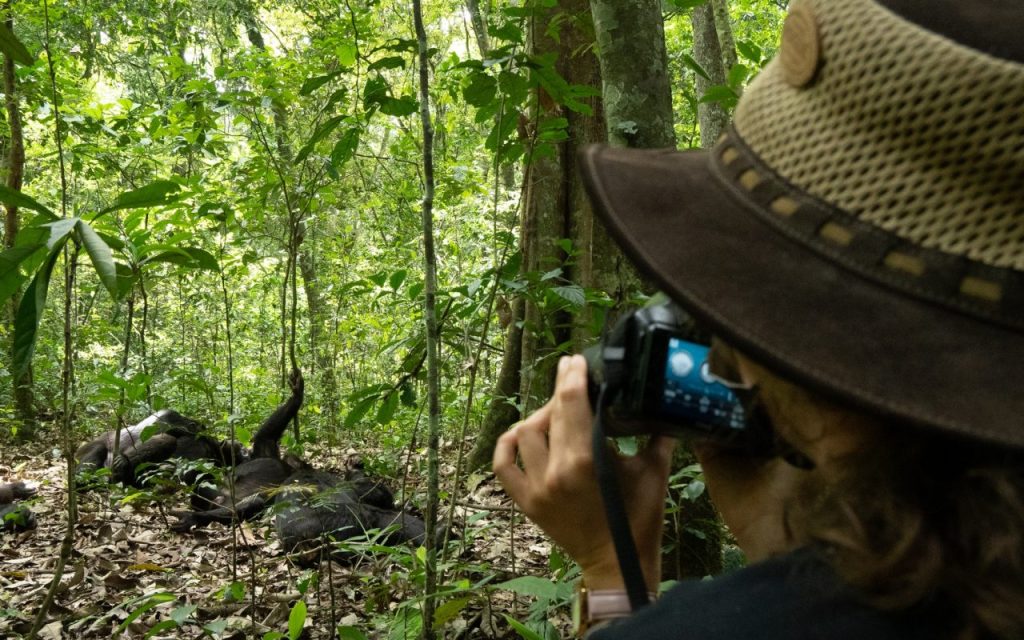
Chimpanzee tracking in Mahale begins at park headquarters, where guides brief you on etiquette—maintaining a 10-meter distance and wearing provided face masks to prevent disease transmission. Treks last 2 to 6 hours, navigating steep, vine-draped trails that challenge even seasoned hikers.
Once located (success rates exceed 80% in peak season), you have one magical hour to observe: mothers cradling infants, males patrolling territories, or the group sharing figs in a symphony of hoots and pant-grunts. Sharing 98% DNA with humans, these encounters evoke a profound connection, often leaving trekkers emotional.
Beyond chimps, Mahale shelters 13 primate species, including acrobatic red colobus monkeys with their distinctive capes of fur and shy blue monkeys crashing through understory.
The Mahale chimpanzee experience extends to these kin, revealing the forest’s layered life. For broader wild chimpanzees Tanzania queries, Mahale’s troops are wilder and larger than Gombe’s, offering a rawer glimpse into primate society.
Conservation here is vital; tourism funds anti-poaching patrols, ensuring these forests echo with chimp calls for generations.
Other Wildlife in Mahale Mountains National Park
While chimpanzees dominate headlines, wildlife in Mahale Mountains reveals a thriving tapestry of species adapted to its diverse habitats.
Predators like elusive leopards stalk the night, their spotted coats blending into dappled shadows, while bushbucks and warthogs graze open glades at dawn. Giant squirrels leap between mahoganies, and crested porcupines rustle underfoot, their quills a nocturnal defense.
The avian spectacle dazzles with over 350 birds in Mahale National Park, from crested fish eagles soaring over the lake to iridescent kingfishers darting for minnows.
Sunbirds flit amid orchids, and hornbills trumpet from fig trees, creating a feathered symphony. Reptiles abound: monitor lizards bask on rocks, and Nile crocodiles lurk in Tanganyika’s shallows, alongside vibrant chameleons that shift hues like living jewels.
Lake Tanganyika, plunging to 1,470 meters, teems with endemic fish—over 250 cichlid species in electric blues and yellows, perfect for snorkelers. This aquatic bounty supports otters and hippos, adding drama to boat safaris.
Mahale’s remoteness fosters sightings rare elsewhere: a family of red-tailed monkeys or a lone blue duiker. For eco-enthusiasts, this biodiversity underscores why Mahale is a UNESCO-recognized hotspot, where every trail promises serendipity.
Things to Do in Mahale Mountains National Park
Exploring things to do in Mahale Mountains reveals a playground of adventure and serenity. Here’s a curated list of top activities in Mahale Mountains Tanzania:
- Chimpanzee Trekking – The main draw, year-round Mahale chimpanzee tours Tanzania through lush trails to observe troops in their element. Book permits early for this bucket-list thrill.
- Boat Safaris on Lake Tanganyika – Cruise the glassy waters for hippo pods and crocs, with stops for swimming in croc-free bays. It’s the ultimate Lake Tanganyika safari unwind.
- Hiking & Nature Walks – Summit peaks like Kakombe for panoramic views, or trace rivers to thundering waterfalls. Trails vary from easy lakeside strolls to strenuous ascents.
- Fishing & Kayaking – Cast lines for Nile perch in designated zones, or paddle kayaks amid cichlid schools. Guided outings ensure sustainable catches.
- Birdwatching – Dawn patrols along the shore yield trogons and turacos, with over 350 species for twitchers.
- Beach Relaxation – Unwind on untouched sands, snorkeling coral gardens or picnicking under palms.
These pursuits blend adrenaline with repose, making Mahale ideal for immersive escapes.
How to Get to Mahale Mountains National Park
Reaching Mahale Mountains National Park is part of the adventure, emphasizing its exclusivity. For how to get to Mahale Mountains, options cater to different budgets and timelines:
By Air: Charter flights from Arusha, Dar es Salaam, or Kigoma land at the park’s grass airstrip (1-hour flight from Arusha). Operators like Coastal Aviation run scheduled hops, costing $300–$500 per person. From the airstrip, a 1-hour boat transfer delivers you to lodges.
By Boat: From Kigoma (6-hour drive from Dar), ferries or private dhows cross Tanganyika in 4–6 hours ($50–$150). Scenic and affordable, it’s favored for its lake views—sunsets over Congolese hills are mesmerizing.
By Road (For the Bold): A rugged 4×4 track from Kigoma hugs the lakeshore (6–8 hours), but it’s potholed and weather-dependent. Not recommended for novices.
Mahale’s air-and-boat access suits exclusive safaris, keeping crowds low. As your Mahale travel guide, Hail Tours Uganda arranges seamless transfers from Uganda, blending with gorilla treks for epic itineraries. Always confirm schedules; our team handles logistics for stress-free arrivals.
Accommodation in Mahale Mountains National Park
Staying in Mahale Mountains accommodation means embracing rustic luxury amid wilderness. Lodges in Mahale Mountains are intimate, boat-access only, fostering a sense of seclusion.
- Greystoke Mahale Camp (Luxury): Nomad Tanzania’s flagship, with eight open-plan bandas of reclaimed dhow wood overlooking the lake. Barefoot elegance includes gourmet meals, guided treks, and beachfront sundowners. All-inclusive rates start at $800/night.
- Kungwe Beach Lodge (Mid-range): Perched on a palm-fringed cove, this owner-run gem offers en-suite tents with lake vistas. Expect fresh seafood, chimp walks, and stargazing—perfect for $500–$700/night packages.
- Mahale Mango Tree Bandas (Budget): Simple thatched huts near headquarters suit backpackers. Basic but clean, with communal dining and trail access for $100–$200/night.
Most Mahale safari camps provide all-inclusive deals covering meals, activities, and park fees, with eco-friendly designs minimizing impact. Solar power and rainwater harvesting are norms.
Book via Hail Tours Uganda for bundled deals, ensuring your stay enhances the Mahale wildlife safari magic.
Best Time to Visit Mahale Mountains National Park
Timing your trip unlocks Mahale’s moods. The best time to visit Mahale aligns with weather for optimal chimpanzee tracking in Mahale.
Dry Season (June–October): Ideal for trekking—trails dry out, visibility peaks, and chimp troops descend slopes. August–October offers prime sightings, with balmy days (25–30°C) and cool nights. Fewer rains mean lush but navigable forests.
Wet Season (November–May): Torrents (peaking March–May) transform Mahale into a verdant Eden, blooming orchids and swelling waterfalls.
Chimp visibility dips slightly due to fruit abundance higher up, but crowds thin, and photography shines with misty auras. Temperatures hover 28–32°C, with afternoon showers.
Mahale chimpanzee season favors dry months, but year-round permits ensure flexibility. Lake Tanganyika stays warm for swims anytime. Monitor TANAPA updates; Hail Tours Uganda tailors visits to your preferences, dodging peaks for intimate escapes.
Park Fees and Permit Costs
Planning finances? Mahale Mountains National Park fees for 2025 ensure transparency for budget-savvy travelers.
- Park Entry Fee: USD 100 per adult per day (foreign non-residents); USD 40 for East African residents.
- Chimpanzee Tracking Fee: USD 150 per person per trek—covers guided excursions and habituation support.
- Camping Fee: USD 30–$50 per person per night, depending on facilities.
- Conservation Fee: USD 10 per day, funding anti-poaching.
Chimpanzee permit Tanzania prices hold steady, with group sizes capped at six for ethical viewing. Fees are payable in USD; kids under 16 trek free but entry applies.
All-inclusive lodges often bundle these, simplifying costs. For accurate Mahale Mountains National Park fees, consult TANAPA—Hail Tours Uganda includes them in quotes, maximizing value.

Safari Packages: Example Itineraries
Elevate your journey with tailored Mahale safari tours. Hail Tours Uganda curates these Mahale and Katavi itineraries:
3-Day Mahale Chimpanzee Safari: Day 1: Fly to airstrip, boat to lodge, afternoon hike. Day 2: Full-day chimp trek, lake picnic. Day 3: Birdwatching, return flight.
5-Day Mahale and Katavi Safari: Combine primate magic with big-game drama—2 days Mahale trekking, 3 days Katavi floods for elephants/lions.
7-Day Western Tanzania Safari (Katavi & Mahale): Immersive loop: Katavi game drives, Mahale forests/beaches, cultural Kigoma stops.
These Mahale chimpanzee tours Tanzania blend adventure and ease, with flights from Entebbe. Customizable for families or solos.
Mahale vs. Gombe: A Quick Comparison
Wondering Mahale vs Gombe? This table highlights key differences for chimpanzee trekking in Tanzania seekers:
|
Feature |
Mahale Mountains NP |
Gombe Stream NP |
|
Main Attraction |
Wild chimpanzees + diverse activities |
Chimpanzees (Jane Goodall legacy) |
|
Access |
Air/boat only (remote, exclusive) |
Boat from Kigoma (more accessible) |
|
Size |
1,613 km², expansive wilderness |
52 km², compact and focused |
|
Activities |
Trekking, hiking, beach, boating |
Primarily chimp tracking |
|
Ideal For |
Exclusive, multi-day safaris |
Short primate-focused tours |
Mahale edges for variety, Gombe for intensity—both stellar for Mahale Mountains travel guide fans.
Frequently Asked Questions
Where is Mahale Mountains National Park located?
In western Tanzania, along Lake Tanganyika’s eastern shore, near Kigoma—about 1,000 km from Dar es Salaam.
How much does chimpanzee trekking in Mahale cost?
USD 150 per permit, plus $100 daily entry; all-inclusive packages from $800/night.
How do you get to Mahale Mountains from Dar es Salaam?
Fly to Kigoma (2 hours), then boat (4–6 hours), or direct charter (3 hours total).
What animals are found in Mahale Mountains?
Chimpanzees, red colobus, leopards, bushbucks, 350+ birds, lake fish, and crocs.
What is the best time to see chimpanzees in Mahale?
August–October in dry season for optimal visibility and trail conditions.
Conclusion: Your Gateway to Mahale’s Magic
A visit to Mahale Mountains National Park is unlike any other African safari—where rainforest meets crystal-clear waters, and wild chimpanzees roam freely.
Whether you’re tracking primates on mist-shrouded trails, cruising Lake Tanganyika safaris, or relaxing on pristine beaches, Mahale offers the perfect blend of adventure and tranquility. In the realm of Tanzania western parks, it stands unparalleled for its raw authenticity and profound connections.
Ready to embark? Contact Hail Tours Uganda today to book your Mahale chimpanzee trekking safari Tanzania or combine it with Katavi National Park for the ultimate western Tanzania experience. Let’s craft your dream itinerary—spaces fill fast for 2025!