Which is better Serengeti or Kruger: Which Gem Shines Brighter?
Which is better Serengeti or Kruger: The eternal debate among safari enthusiasts—Serengeti or Kruger?—pits two of Africa’s crown jewels against each other: Tanzania’s vast Serengeti National Park and South Africa’s Kruger National Park.
Both deliver pulse-pounding wildlife encounters, but “better” hinges on your priorities. Crave the raw drama of the Great Migration amid endless plains? Serengeti calls.
Prefer self-driven adventures, budget flexibility, and reliable Big Five sightings? Kruger’s your match. Neither is definitively superior; they’re complementary icons in Africa’s wildlife tapestry.
This guide unpacks everything you need: geography, wildlife, activities, costs, logistics, and tips for 2025 visits. Whether you’re a first-timer or seasoned explorer, here’s the intel to decide.
Location and Accessibility: East African Epic vs. Southern Convenience
Serengeti National Park sprawls across 30,000 square kilometers (11,580 square miles) in northern Tanzania, forming the southern anchor of the Serengeti-Mara ecosystem that spills into Kenya’s Maasai Mara.
Established in 1951, it’s a UNESCO World Heritage Site, accessible primarily via Arusha (a 5-6 hour drive) or fly-in airstrips like Seronera.
International flights land in Kilimanjaro or Dar es Salaam, but expect multi-leg journeys from Europe or the US—often 20+ hours total. Internal flights shave time but add $200-500 per leg.
Kruger, by contrast, covers 19,485 square kilometers (7,523 square miles) in northeastern South Africa, bordering Mozambique and Zimbabwe.
Founded in 1926, it’s a safari pioneer’s dream, with 11 entry gates and seamless access from Johannesburg (a 5-hour drive or 1-hour flight).
Direct international flights to Johannesburg make it far more reachable—under 15 hours from major hubs. Kruger’s paved roads and infrastructure scream convenience; Serengeti’s remoteness demands guided transfers.
For families or solo travelers, Kruger’s ease wins. East Africa suits those weaving in Zanzibar beaches or Kilimanjaro climbs. Pro tip: Book transfers early—Serengeti’s dirt tracks turn muddy in rains.
Wildlife and Viewing: Migration Majesty vs. Big Five Reliability
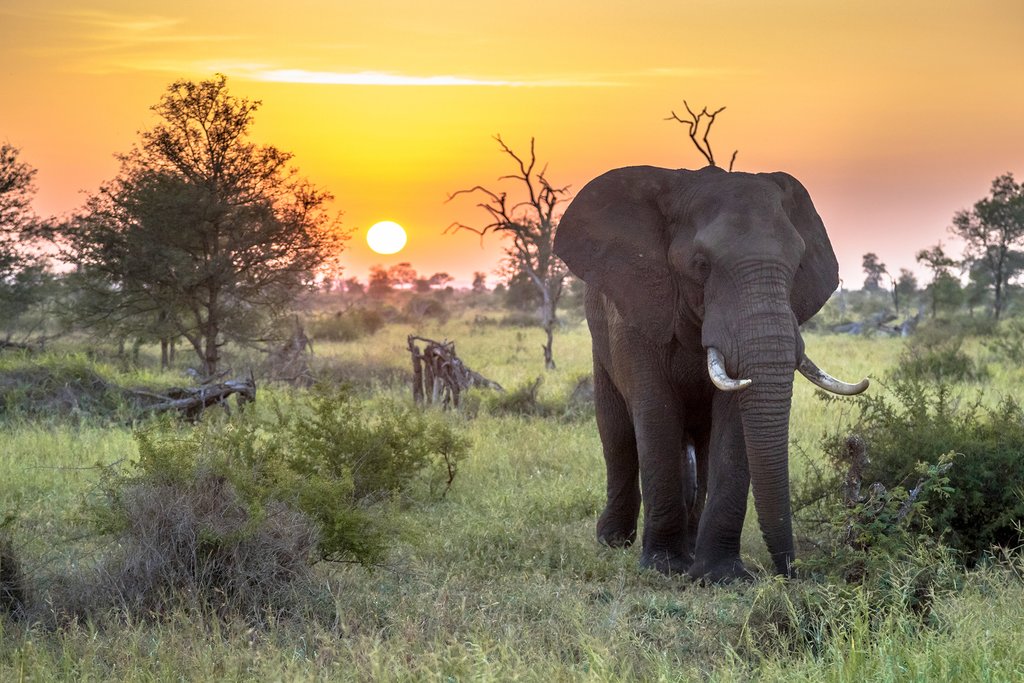
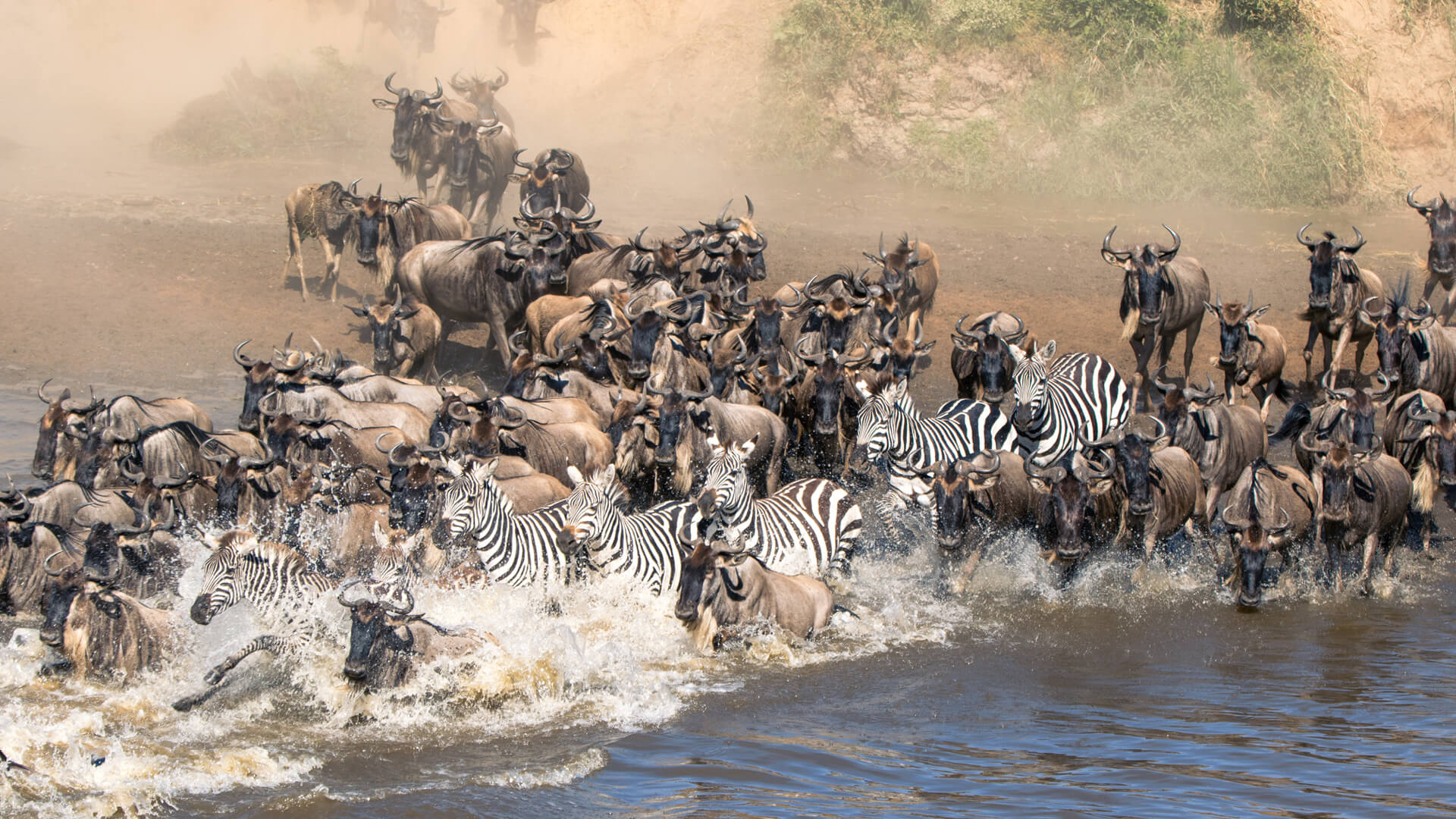
Both parks boast the Big Five (lion, leopard, elephant, buffalo, rhino), but their ecosystems diverge. Serengeti is migration central: 1.5-2 million wildebeest, zebras, and gazelles thunder across plains in a 800km annual loop, peaking July-October in the north (dramatic Mara River crossings) and January-March in the south (calving season, prime for cheetahs and hyenas).
Predators thrive here—over 3,000 lions, 1,000 leopards—amid 500+ bird species. Rhinos are rarer (black rhinos mostly in protected zones), but sheer volume stuns: expect herds blotting horizons.
Kruger flips the script with denser bushveld and acacia scrub, hosting stable populations year-round. It’s rhino heaven—South Africa’s largest white rhino breeding ground (over 10,000)—plus elephants (12,000+), lions (1,700), and leopards galore in rocky koppies.
No migration spectacle, but self-drive spots like waterholes yield intimate sightings: a leopard dragging a kill at dawn. Birdlife tops 500 species too, including rare Pel’s fishing owls. Kruger edges for consistent Big Five “ticking”; Serengeti for cinematic scale.
In 2025, conservation shines: Serengeti’s anti-poaching tech (drones, collars) boosts numbers; Kruger’s anti-rhino poaching yields 90% conviction rates. Both face threats—habitat loss in Serengeti, human-wildlife conflict in Kruger—but sightings remain world-class.
Activities and Experiences: Guided Thrills vs. DIY Freedom
Serengeti’s activities scream adventure: dawn hot-air balloon rides ($559-599/person) float over herds, night drives reveal nocturnal eyes, and walking safaris in the Western Corridor track tracks.
Maasai village visits add cultural depth ($20-50). Core is game drives in open 4x4s with expert guides—mandatory, as off-roading’s banned. Add-ons like bush dinners under stars elevate romance.
Kruger empowers independence: self-drive in rental 4x4s (unfenced roads, 50km/h limit) lets you pause for a pride at leisure.
Guided bush walks ($25-40), canoe safaris on the Sabie River, or mountain biking thrill. Private reserves like Sabi Sands (adjacent) offer tracker-led off-road chases. For kids, Kruger’s education centers teach tracking; Serengeti’s remoteness suits immersive, less structured fun.
Both cap drives at 6am-6pm, but Kruger’s 2,500km road network disperses crowds better. In 2025, expect eco-upgrades: Serengeti’s solar-powered camps, Kruger’s electric shuttles.
Best Time to Visit: Seasons Shape the Safari
Timing trumps all—both shine in dry seasons for visibility. Kruger’s dry winter (May-September) clusters animals at rivers; days hit 25°C, nights dip to 10°C. Avoid summer rains (November-April) for malaria risk and lush camouflage.
Serengeti’s equatorial clime means year-round viability, but June-October’s dry spell aligns with northern migration—peak drama, cooler temps (15-26°C).
Calving (January-February) rivals it for predator action; green low season (March-May) slashes crowds 50%, with “mini-migrations.”
For 2025, contact us to book peak slots now—Serengeti fills fast for July crossings; Kruger’s winter weekends book out. Shoulder seasons (October, April) balance value and vibes.
Costs: Budget-Friendly Bush vs. Premium Plains
Kruger’s affordability shines: daily entry for international adults is R560 (~$32 USD, November 2024-October 2025), kids R280. Self-drive campsites start at R400/night/person; mid-range lodges $150-300.
A 3-day basic safari: $400-800/person. Luxury in private reserves? $800-1,500/night, all-inclusive. Total 5-day trip: $1,000-3,000, excluding flights.
Serengeti demands deeper pockets: $82.60/day entry (including VAT), plus $70.80 concession fee. Accommodations: budget tents $200/night, luxury camps $800-1,500
Guided packages mandatory—4-day mid-range: $2,500-4,000/person; luxury $7,500+. Add-ons balloon costs. Total 5-day: $3,000-8,000.
Kruger suits budgets; Serengeti justifies premiums with exclusivity. 2025 tip: Wild Cards ($100/year) save Kruger repeaters; Serengeti shoulder deals cut 20-30%.
Crowds and Atmosphere: Intimate Isolation vs. Social Buzz
Serengeti’s immensity thins crowds—vast plains feel yours, especially off Seronera. Peak migration draws 500,000 visitors/year, but space absorbs them. Vibe: poetic, untamed.
Kruger hosts 1.8 million annually, busier in south (Skukuza hub). Yet, 80% is low-density; self-drive evades convoys. Vibe: accessible, community-rooted.
Both combat overtourism—Serengeti’s zoning, Kruger’s caps. Families favor Kruger’s facilities; couples, Serengeti’s romance.
Conservation and Sustainability: Guardians of the Wild
Both excel: Serengeti’s $50M+ annual revenue funds anti-poaching; Kruger’s community funds (1% levy) empower locals. Challenges persist—Serengeti’s human encroachment, Kruger’s rhino wars—but successes inspire: Serengeti lions up 20% since 2010; Kruger rhinos stabilized.
Ethical tip: Choose operators with low-impact practices; tip rangers ($10-20/day).
Which Wins? Your Call, But Here’s the Verdict
No outright victor—Serengeti for spectacle (migration magic), Kruger for accessibility (DIY ease). Budget? Kruger. Families/kids? Kruger. Epic scale? Serengeti. Many do both: Fly Johannesburg-Arusha for a 10-day combo.
In 2025, rising eco-fees underscore stewardship—your visit funds futures. Prep: Vaccinations (yellow fever for Tanzania), malaria prophylaxis, binoculars. Book via SANParks (Kruger) or TANAPA (Serengeti) for authenticity.
Ultimately, both etch Africa’s soul into yours. Serengeti whispers eternity; Kruger roars familiarity. Choose based on heart—wildlife awaits.