
Amboseli National Park Entrance Fees 2026:Guide for Tourists
Amboseli National Park Entrance Fees: Daily entry to Amboseli National Park costs USD 90 per non-resident adult and USD 45 per non-resident child (5–17) in 2026.
Kenyan residents pay KES 2,025 per adult and KES 1,050 per child, while East African citizens pay KES 1,500 per adult and KES 750 per child.
Amboseli is classified as a Premium Park by the Kenya Wildlife Service, alongside Lake Nakuru, so these are flat rates that apply year-round — unlike some other Kenyan parks, there’s no separate high- and low-season pricing to account for.
Nestled in southern Kenya with iconic views of Mount Kilimanjaro, this premium park is famous for its massive elephant herds, diverse wildlife, and stunning landscapes.
Managed by the Kenya Wildlife Service (KWS), Amboseli National Park spans 392 km² and forms part of a UNESCO-MAB Biosphere Reserve — a status that reflects its role as one of the best-studied elephant habitats in Africa.
Whether you’re a self-drive traveler, international tourist, or East African resident, this guide covers current 2026 fees for entry, camping, vehicles, and activities in full. Fees were revised effective October 1, 2025 — the first such revision in years — so figures cited elsewhere online may already be outdated. Always verify current rates directly on the KWS eCitizen portal before travel, as further adjustments can occur.
Why Visit Amboseli National Park in 2026?
Amboseli offers year-round game viewing, with elephants often silhouetted against Africa’s highest mountain. Key attractions include:
- Large elephant populations and big cats (lions, cheetahs).
- Over 400 bird species around swamps and Lake Amboseli.
- Maasai cultural interactions and photography opportunities.
High visitor numbers make early planning crucial, especially for peak dry seasons when wildlife concentrates near water sources.
Latest Amboseli National Park Entrance Fees 2026
Fees are categorized by residency status and apply daily. Children under 5 (or sometimes 3) often enter free; confirm exact age rules at entry. Tickets are valid for 24 hours from entry time (gates open ~6:00 AM to 6:00 PM).
Amboseli is classified as a Premium Park alongside Lake Nakuru, with the following rates (effective 2026):
|
Visitor Category |
Adult Fee |
Child/Student Fee (5-17/18 years) |
|
East African Citizen (Kenya, Uganda, Tanzania, etc.) |
KES 1,500 |
KES 750 |
|
Kenya Resident (with valid permit) |
KES 2,025 |
KES 1,050 |
|
Non-Resident (International) |
USD 90 |
USD 45 |
|
African Citizen (non-EAC) |
USD 50 |
USD 25 |
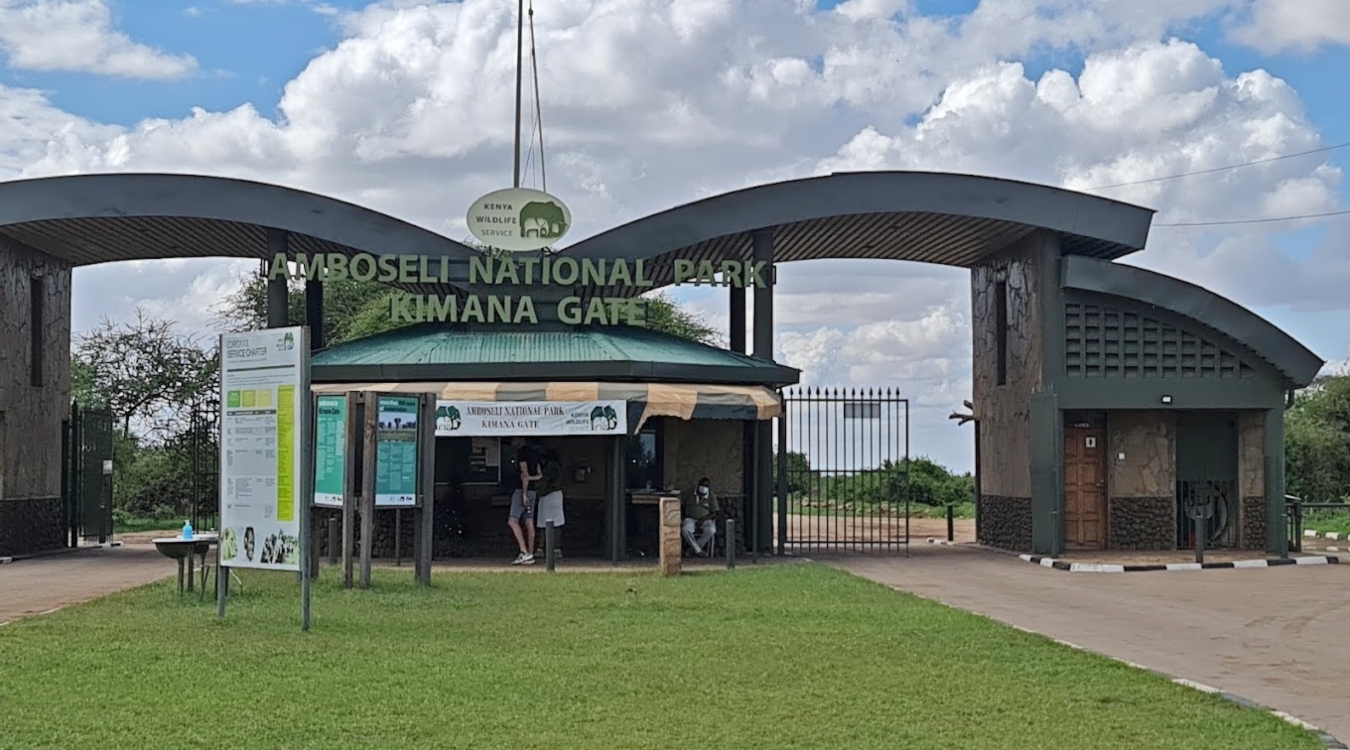
- • Proof required: National ID, passport, or resident/work permit at gates (Kimana, Meshanani, Iremito).
- No high/low season split for daily entry in 2026 — flat rates apply year-round.
These fees support anti-poaching, habitat restoration, and community projects benefiting local Maasai communities.
Vehicle Entry Fees for Self-Drive Safaris in Amboseli 2026
Self-drive visitors must pay daily vehicle conservation fees based on seating capacity:
- Less than 6 seats: KES 300–600 (varies by source; confirm current)
- 6–12 seats: KES 1,000–1,500
- 13–24 seats: KES 3,000+
- Larger vehicles or annual passes for stationed vehicles: Higher rates apply (e.g., starting KES 50,000+).
Non-residents may pay equivalent in USD. These charges fund road maintenance in the park.
Camping Fees in Amboseli National Park 2026
Overnight stays require additional camping fees on top of entry. Amboseli offers public campsites (basic facilities) and special campsites (more exclusive, often with better views).
Public Campsites (per night):
- East African Citizen/Resident Adult: KES 250–350
- Child/Student: KES 200
- Non-Resident Adult: USD 30
- Child: USD 25
Special Campsites (per night):
- East African Citizen/Resident Adult: KES 500–700
- Child/Student: KES 250–350
- Non-Resident Adult: USD 50
- Child: USD 25
Special campsite reservation fee: KES 7,500 (EAC) or USD 75 (non-residents) per week — non-refundable.
Camping allows immersive experiences under the stars with Kilimanjaro views, but book in advance via KWS reservations.
Additional Activity Fees in Amboseli (Per Person, Where Applicable)
Enhance your Amboseli National Park safari with these optional experiences:
- Night game drive: ~KES 2,155
- Guided walking safari: ~KES 1,500
- Horse riding (KWS horses): ~KES 2,585
- Cycling: ~KES 215
- Balloon safari (if available): ~USD 80+ per person (separate operator fees)
Always confirm current activity rates, as they support guided ranger services.
Payment Methods: Cashless Only in 2026
KWS enforces a fully cashless system for transparency:
- Online pre-payment: Via the KWS eCitizen portal (ecitizen.kws.go.ke or KWSPay) — recommended for smooth entry.
- At the gate: M-Pesa, Visa, or Mastercard.
- Bank transfer: Direct to KWS accounts (provide proof at entry).
Set up an account in advance. Connectivity at remote gates can be limited, so pre-pay where possible. Retain digital receipts.
How to Get to Amboseli & Practical Tips for 2026 Visitors
- Location: ~240 km southeast of Nairobi in Kajiado County (4–5 hours drive or short flight to airstrips).
- Best time: Dry seasons (July–October, January–March) for wildlife and clear Kilimanjaro views, though rates are now flat.
- Duration: 24-hour tickets suit day visits; multi-day safaris require daily renewals or camping.
- Packages: Many tour operators (e.g., for Amboseli safari from Nairobi or combined Tsavo-Amboseli packages) bundle fees — double-check inclusions to avoid surprises.
- Tsavo-Amboseli Packages: Combined entry options exist (e.g., Tsavo East/West + Amboseli for higher bundled rates like USD 150–215 for non-residents).
Budget Example for a 3-Day Non-Resident Couple (High-Demand Period, Self-Drive):
- Entry: USD 90 × 2 × 3 = USD 540
- Public Camping (2 nights): USD 30 × 2 × 2 = USD 120
- Vehicle: ~USD 5–10/day × 3 = ~USD 20–30
- Total (excluding activities/accommodation): ~USD 680–700+
East African residents pay far less in KES equivalent.
Comparison with Other Kenyan Parks
Amboseli’s premium status means higher fees than many parks:
- Tsavo East/West: Lower daily rates (~USD 80 non-resident adult).
- Maasai Mara: Often higher due to private conservancies.
- Lake Nakuru: Similar premium pricing.
The unique elephant herds and Kilimanjaro backdrop justify the cost for many visitors seeking an unforgettable African safari.
Conservation Impact of Your Fees
Your Amboseli National Park entrance fees directly fund:
- Ranger patrols and anti-poaching efforts protecting elephants.
- Habitat management amid climate challenges.
- Community initiatives improving livelihoods around the park.
In recent years, visitor revenue has helped sustain one of Kenya’s most accessible big-game destinations.

Planning Your 2026 Amboseli Safari
Whether searching for “Amboseli National Park fees for tourists 2026” or “cheapest way to visit Amboseli“, pre-book payments and confirm details with your operator or directly via KWS.
For the best experience:
- Enter early to maximize your 24 hours.
- Carry valid ID for resident/citizen discounts.
- Consider low-impact tourism to support long-term preservation.
Amboseli n.p remains a bucket-list destination for its wildlife wonders and majestic mountain backdrop. With these updated 2026 fees clearly outlined, you’re ready to plan a memorable, well-budgeted safari.
Pro Tip: Visit the official KWS website or eCitizen portal for the most accurate, real-time information before your trip.
Safe travels — may your Amboseli adventure be filled with elephants, breathtaking views, and unforgettable memories.