
Top Guide to DRC Africa: Everything You Need to Know in 2026
Discover DRC Africa — the Democratic Republic of the Congo — with this complete guide. Explore its geography, history, vibrant culture, and immense mineral wealth, including cobalt and copper.
Learn about Kinshasa, the bustling capital, the Congolese people, GDP, and tourist attractions like Virunga National Park, plus things to do and safety considerations for visitors.
We also cover the DRC’s challenges, from conflict to humanitarian crises, its potential for growth, and how a DRC gorilla trekking safari compares to neighboring Uganda safari and Rwanda gorilla trekking options.
The Democratic Republic of the Congo (DRC), also known as Congo-Kinshasa, DR Congo, or simply the Congo, is a vast and complex nation in Central Africa. As the second-largest country in Africa by land area and the 11th largest globally, with a population of approximately 112 million, the DRC is a land of immense natural wealth, cultural diversity, and significant challenges — and, for travelers, home to one of the world’s rarest wildlife encounters: mountain gorilla trekking in Virunga National Park.
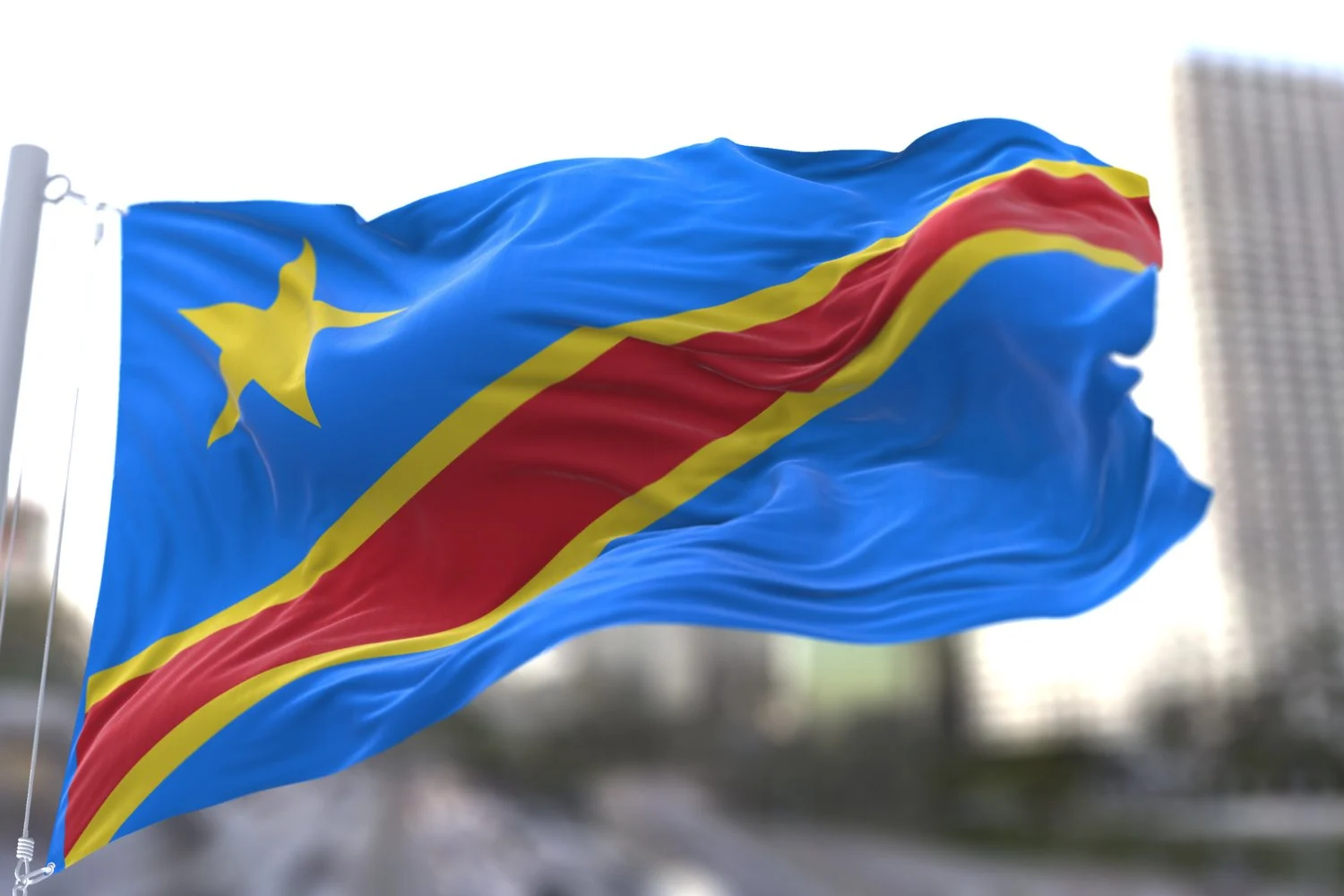
Geography and Environment of DRC Africa
The DRC spans approximately 2.34 million square kilometers, roughly the size of Western Europe or the United States east of the Mississippi River.
It sits at the heart of Africa, straddling the equator, with a 37-kilometer coastline along the Atlantic Ocean and borders with nine countries: Angola, Burundi, Central African Republic, Republic of the Congo, Rwanda, South Sudan, Tanzania, Uganda, and Zambia.
This border with both Rwanda and Uganda is what makes a combined Congo, Uganda, and Rwanda safari genuinely feasible for travelers chasing a full primate-trekking circuit.
The country’s terrain is diverse, dominated by the Congo Basin, which hosts the world’s second-largest rainforest after the Amazon. This rainforest covers more than half of the DRC’s land area, making it a critical global carbon sink and biodiversity hotspot.
The Congo River, the second-longest river in Africa, flows through the country, providing a vital lifeline for transportation, fishing, and hydropower potential.
The eastern DRC is mountainous, with the Ruwenzori Range — including Margherita Peak (5,109 meters) — marking the country’s highest point.
The Virunga Mountains, home to active volcanoes like Mount Nyiragongo, and the Western Rift Valley, which includes Lakes Albert, Edward, Kivu, Tanganyika, and Mweru, add to the region’s rugged beauty and form the same volcanic chain that extends into Rwanda’s Volcanoes National Park and Uganda’s Bwindi region.
The DRC’s climate is tropical, with a rainy season from September to May and a dry season from June to August. Temperatures range from 18–33°C, with high humidity in the central basin, cooler conditions in the southern highlands, and wetter conditions in the east.
The DRC is endowed with exceptional natural resources, including vast reserves of cobalt, copper, gold, diamonds, tin, and coltan, as well as significant hydroelectric potential and arable land.
The Congo Basin rainforest is home to unique wildlife, such as mountain gorillas, okapis, and bonobos, but faces threats from deforestation, illegal logging, and mining.
Virunga National Park, Africa’s oldest national park, is a UNESCO World Heritage Site but remains under pressure from conflict and resource exploitation.
A Brief History of the DRC
Pre-Colonial Era
The area now known as the DRC has been inhabited for at least 90,000 years, with evidence of early human activity such as the Semliki harpoon found at Katanda.
Bantu peoples migrated into the region around the first millennium BC, bringing advanced agricultural and ironworking techniques. By 700 CE, complex societies and states had emerged, including the Kongo Kingdom in the west, the Luba and Lunda empires in the south, and chiefdoms in the Upemba Depression — societies that engaged in trade, agriculture, and metalworking, and gradually displaced or integrated with indigenous pygmy populations.
Colonial Period
In the late 19th century, the DRC became the personal property of Belgian King Leopold II under the guise of the Congo Free State (1885–1908). Leopold’s regime was marked by brutal exploitation, with forced labor for rubber and ivory extraction leading to millions of deaths from violence, starvation, and disease.
International outcry, particularly from the Congo Reform Movement, forced Leopold to relinquish control in 1908, and the territory became the Belgian Congo.
Under Belgian rule, infrastructure such as railways and missions was developed, but education and political participation for Congolese people remained limited, largely confined to training low-level administrators.
Independence and Early Instability
The DRC gained independence from Belgium on June 30, 1960, as the Republic of the Congo. The transition was chaotic: Patrice Lumumba became the first prime minister and Joseph Kasavubu the first president.
Within months, the country faced army mutinies, secessionist movements in Katanga and South Kasai, and Cold War-era foreign interventions.
Lumumba was assassinated in 1961 under mysterious circumstances involving Belgian and U.S. agents. In 1965, Colonel Joseph Mobutu seized power in a coup, establishing a centralized, authoritarian regime.
Mobutu’s Zaire (1965–1997)
Mobutu renamed the country the Republic of Zaire in 1971 as part of his “authenticity” campaign to erase colonial influence. His regime, backed by the U.S. for its anti-communist stance, was defined by corruption, human rights abuses, and a pervasive cult of personality.
While Mobutu achieved relative political stability, he amassed a vast personal fortune while the country’s infrastructure and economy steadily deteriorated. By the 1990s, declining economic conditions and political repression fueled widespread unrest.
The Congo Wars (1996–2003)
The First Congo War (1996–1997) began when Rwanda, Uganda, and other neighbors backed a rebel invasion led by Laurent-Désiré Kabila to overthrow Mobutu.
The war was triggered largely by the influx of Hutu refugees fleeing the Rwandan genocide, whom Mobutu had harbored. Kabila’s forces, backed by Rwanda, captured Kinshasa in 1997, and the country was renamed the Democratic Republic of the Congo.
Tensions between Kabila and his former Rwandan allies then led to the Second Congo War (1998–2003), often called “Africa’s World War.” Involving nine African nations and dozens of armed groups, the conflict resulted in an estimated 5.4 million deaths, primarily from disease and malnutrition, making it the deadliest conflict since World War II. A 2003 peace agreement formally ended the war, though fighting has persisted in the east ever since.
Post-War Period
Joseph Kabila, who succeeded his assassinated father in 2001, won elections in 2006 — the DRC’s first free elections in four decades. His presidency, however, was marred by allegations of corruption and a failure to address ongoing violence in the east, particularly the Kivu conflict involving groups like the March 23 Movement (M23).
Félix Tshisekedi, elected president in 2018 and re-elected in 2023, has faced similar challenges, with disputed elections and escalating violence. In 2025, M23 rebels, allegedly backed by Rwanda, captured Goma, a major eastern city, raising fears of a wider regional conflict.
Congo Capital: Kinshasa
Kinshasa, the DRC’s capital and largest city, is a vibrant metropolis on the banks of the Congo River, facing Brazzaville, the capital of the Republic of the Congo, across the water.
With a population exceeding 17 million (2023 estimate), Kinshasa is Africa’s third-largest urban area after Lagos and Cairo. Originally a trading post called Léopoldville under Belgian colonial rule, it was renamed Kinshasa in 1966.
The city is the political, economic, and cultural heart of the DRC, hosting government institutions, foreign embassies, and major universities like the University of Kinshasa.
Kinshasa is known for its lively music scene, particularly Congolese rumba and soukous, with venues like the Théâtre de Verdure showcasing local artists. Its markets, such as Marché de la Liberté, offer a glimpse into daily life, with vendors selling everything from fresh produce to textiles.
Key landmarks include the National Museum of the DRC, which houses artifacts from the country’s diverse ethnic groups, and the Palais de la Nation, the president’s official residence.
Despite its cultural richness, Kinshasa faces challenges like overcrowding, inadequate infrastructure, and poverty, with many residents living in informal settlements. The city’s strategic location on the Congo River makes it a hub for trade, though transportation within the city relies heavily on congested roads and ferries.
Culture and Society: Ethnic and Linguistic Diversity
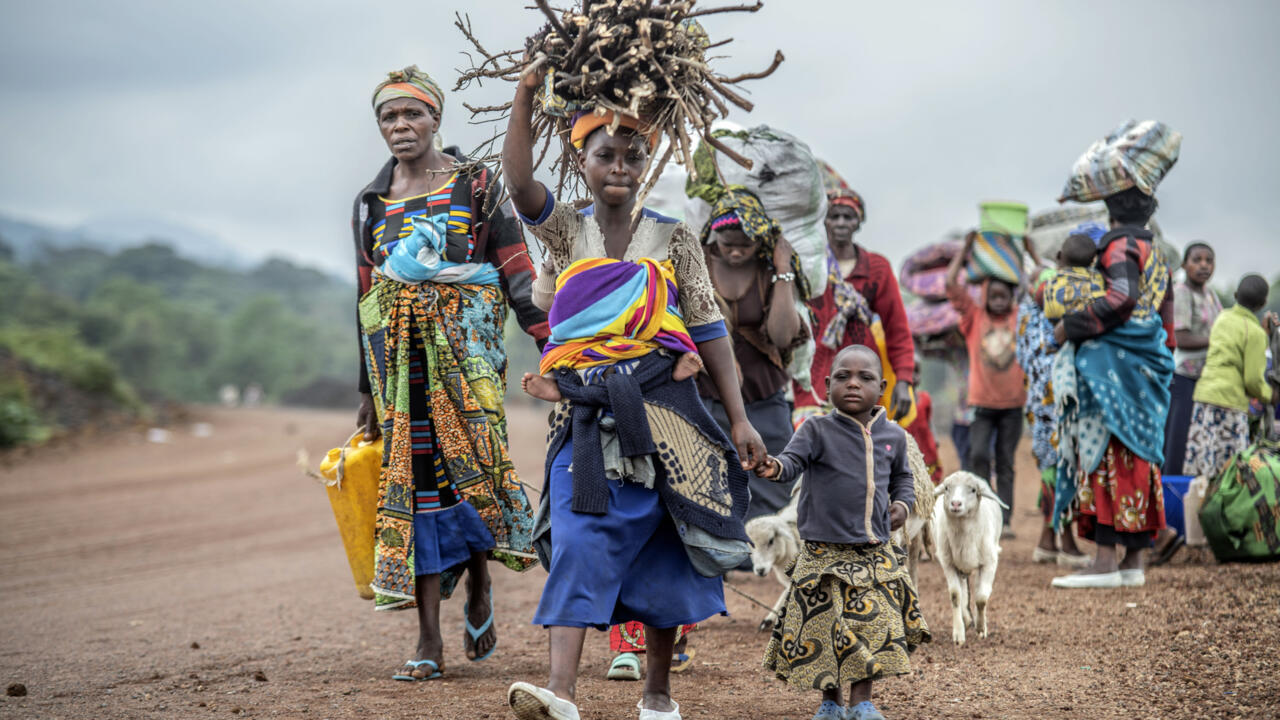
The DRC is home to over 200 ethnic groups, with the majority being Bantu. Major groups include the Luba, Kongo, Mongo, and Lunda. French is the official language, reflecting the country’s colonial history, but four national languages — Lingala, Swahili, Kikongo, and Tshiluba — are widely spoken alongside over 200 indigenous languages. This linguistic diversity reflects the DRC’s cultural richness, but also complicates national unity.
Congo Religion
Approximately 55% of Congolese are Roman Catholic, 25% Protestant, 7.5% Kimbanguist (a Congolese Christian movement), 2.5% Muslim, and 10% follow traditional or syncretic beliefs. Religion plays a significant role in daily life, with churches often acting as community hubs and advocating for social justice.
DRC Population
The DRC has a population of approximately 112 million (2023 estimate), making it Africa’s fourth most populous country. Over 200 ethnic groups, predominantly Bantu (Luba, Kongo, Mongo, Lunda), coexist alongside non-Bantu Azande and marginalized pygmy peoples like the Mbuti.
The population is young, with a median age of 16.8 years, and 65% live in rural areas. Poverty affects 72% of rural and 59% of urban households, with limited access to education and healthcare compounding these challenges.
Education and Health
Education in the DRC faces significant challenges. As of 2000, 41.7% of the population had no formal schooling, 42.2% had primary education, 15.4% had secondary education, and only 0.7% had a university education, with stark gender disparities at every level.
The DRC hosts major universities like the University of Kinshasa, but many elites send their children abroad for education. Health outcomes remain poor, with life expectancy around 47 years (2000 estimate) and an infant mortality rate of 119.9 per 1,000. The weak health system continues to struggle with recurrent outbreaks of Ebola, cholera, measles, and, in 2024, Mpox, which the WHO declared a global health emergency.
Cultural Expressions
Congolese culture is vibrant, with music and dance at its center. Genres like soukous, rumba, and ndombolo are globally influential, with artists like Papa Wemba and Koffi Olomide gaining international fame.
Visual arts, including sculpture and painting, often reflect traditional motifs alongside modern political themes, while Congolese literature, typically written in French, explores colonialism, identity, and resilience.
The DRC Economy: Natural Resources and Mining
The DRC is often described as one of the world’s richest countries in terms of natural resources, with an estimated $24 trillion in untapped mineral wealth, including 70% of the world’s cobalt — a mineral critical for batteries in electric vehicles and electronics.
Other key resources include copper, gold, diamonds, and coltan. In 2023, raw minerals and metals accounted for 80% of exports, with China as the largest trade partner. However, the benefits of this wealth are unevenly distributed due to corruption, mismanagement, and illegal mining.
Artisanal mining, often involving child labor and hazardous conditions, remains widespread, with reports of deaths, sexual violence, and environmental degradation.
Economic Performance
The DRC’s economy grew by 7.5% in 2023, down from 8.8% in 2022, driven by agriculture, construction, and telecommunications, though extractive industries underperformed. Inflation rose to 19.9% in 2023 due to depreciation of the Congolese franc and ongoing supply constraints.
Despite this growth, the DRC ranks 180th out of 193 countries on the Human Development Index, with 72% of rural households and 59% of urban households living in poverty.
Agriculture employs 70% of the workforce but contributes only 40% to GDP, with just 10 million of 80 million hectares of arable land currently cultivated.
Infrastructure and Development
The DRC’s infrastructure remains underdeveloped, with only 1.8% of roads paved and less than 10% of the population having access to electricity. The World Bank has invested in infrastructure projects, including a $1 billion package announced in 2013.
Hydropower potential is immense, estimated at 100 gigawatts, though only a fraction is currently utilized. Projects like the Grand Inga Dam could make the DRC a regional energy hub, but progress remains slow due to funding and governance issues.
Politics and Governance
Political Structure
The DRC is a republic with a highly centralized government. The president, currently Félix Tshisekedi, holds significant executive power, supported by a bicameral legislature consisting of the National Assembly and Senate. The country is divided into 26 provinces, including the capital city, Kinshasa. Governance remains weak, particularly in the eastern provinces, where the state struggles to maintain control.
Current Challenges
Tshisekedi’s 2023 re-election was marred by allegations of fraud, with opposition candidates calling it a “sham.” His administration has struggled to address ongoing violence in the east, where over 100 armed groups operate, including M23, the Allied Democratic Forces (ADF), and the Cooperative for Development of the Congo (CODECO).
Martial law in North Kivu and Ituri has led to abuses by security forces, and the government’s plan to revise the 2006 constitution has raised concerns about further destabilization.
Human Rights
The DRC faces severe human rights challenges, including massacres, abductions, sexual violence, and child soldier recruitment. Over 5.8 million people are internally displaced — the highest number in Africa — and 1 million are refugees in neighboring countries.
Freedom of expression and assembly remain restricted, with journalists and activists facing arrest and violence. The National Intelligence Agency has been accused of torture and inhumane detention conditions.
Humanitarian Crisis
The DRC is grappling with one of the world’s most complex humanitarian crises. Decades of conflict, particularly in the east, have displaced 7.3 million people within the country and forced 1 million to seek asylum abroad.
The M23 rebellion’s capture of Goma in 2025 has worsened the crisis, with over 130,000 newly displaced between January and May 2025. Two million children face starvation, and gender-based violence remains rampant.
Recurrent disease outbreaks, including Ebola, cholera, and Mpox, continue to strain the country’s weak health system. The United Nations, World Bank, and NGOs like USAID and UNHCR provide significant aid, but resources remain stretched thin.
International Relations and Regional Dynamics
The DRC is a member of the United Nations, African Union, Southern African Development Community (SADC), and La Francophonie, among others. Its relations with neighbors — particularly Rwanda — remain tense due to allegations of Rwandan support for M23 rebels. A peace deal between the DRC and Rwanda was signed in June 2025, though its implementation remains uncertain.
The DRC’s strategic position and resources make it a focal point for regional and global powers, with China dominating trade and Western nations investing in aid and peacekeeping. The UN’s largest peacekeeping mission, MONUSCO, operates in the DRC with over 21,000 troops.
Current Developments and Future Prospects
Discussions about the DRC’s future remain complex. The country’s vast resources offer real potential for economic growth, but corruption, conflict, and weak governance continue to hinder progress.
International efforts, such as the World Bank’s Country Partnership Framework (2022–2026) and the EU’s Global Gateway strategy, aim to support sustainable development, infrastructure, and peacebuilding.
However, the escalation of violence in 2025, particularly in the east, threatens to undermine these efforts. The DRC’s hydropower potential and agricultural capacity could drive meaningful regional development, but political stability and transparency in the mining sector remain critical.
Tourist Attractions and Things to Do in the DRC
Despite its challenges, the DRC offers remarkable tourist attractions for travelers seeking a genuinely off-the-beaten-path Congo safari, though travel remains limited by infrastructure and security concerns. Key sites include:
- Virunga National Park — Africa’s oldest national park, home to mountain gorillas, active volcanoes (including Mount Nyiragongo), and remarkable biodiversity. Congo gorilla trekking and volcano hikes are popular activities here, both requiring permits and an experienced guide. Many travelers combine this with a 5 Days Rwanda Congo Gorilla Safari, pairing Virunga’s gorillas with Rwanda’s Volcanoes National Park on a single cross-border itinerary.
- Kahuzi-Biega National Park — a UNESCO site home to Grauer’s gorillas and unique flora, offering a less-crowded alternative to Virunga for travelers interested in eastern lowland gorilla trekking.
- Lola ya Bonobo Sanctuary — near Kinshasa, this sanctuary rehabilitates orphaned bonobos and offers educational tours with genuine conservation insight.
- Okapi Wildlife Reserve — a UNESCO site in the Ituri Forest, home to the elusive okapi and local pygmy communities.
- Congo River — boat cruises from Kinshasa offer scenic views and cultural immersion, though infrastructure limits access in places.
- Livingstone Falls — a dramatic series of rapids near Kinshasa, popular with photographers and adventure travelers.
- Kinshasa’s Cultural Sites — the National Museum, Académie des Beaux-Arts, and the city’s music venues all offer rich cultural immersion.
Things to Do on a DRC Safari
- Gorilla and wildlife trekking — guided tours in Virunga and Kahuzi-Biega are genuine bucket-list experiences, though costly, with permits ranging roughly $400–$1,000.
- Volcano hikes — climbing Mount Nyiragongo offers views of its active lava lake, one of the rarest natural wonders on Earth.
- Cultural exploration — attend live music performances in Kinshasa, browse local markets, or explore colonial-era architecture.
- River adventures — canoeing or fishing on the Congo River or Lake Kivu offers a scenic, low-key way to experience the country.
- Conservation tours — visit sanctuaries dedicated to protecting bonobos and okapis, and learn firsthand about ongoing conservation work.
Embark on an unforgettable wildlife safari in the DRC — explore Virunga National Park, home to mountain gorillas and stunning active volcanoes, and witness bonobos and okapis in pristine rainforest. Working with experienced local guides ensures a safe, well-organized trip through some of Central Africa’s most remarkable landscapes.
How to Combine a DRC Gorilla Safari with Uganda or Rwanda
Because Virunga National Park sits directly on the border with Rwanda, most travelers don’t visit the DRC in isolation — they combine it with a wider Rwanda gorilla trekking safari or a broader East Africa itinerary. Rwanda’s Volcanoes National Park is only a short drive from the DRC border, making a cross-border trip genuinely practical for travelers with the right permits and permissions.
Combining Congo gorilla trekking with Rwanda also gives you access to Rwanda’s more developed tourism infrastructure — smoother logistics, easier permit booking, and shorter transfer times from Kigali.
A Kigali to Volcanoes safari or a 2 Days Rwanda Gorilla Trekking Safari works well as a standalone trip, or as the Rwanda leg of a longer Congo–Rwanda circuit.
For travelers wanting a single-country introduction to gorilla trekking before considering the DRC, our guide to gorilla trekking in Rwanda covers permit costs, fitness requirements, and what to expect on the trail — while our comparison of gorilla trekking in Rwanda vs Uganda helps you weigh Rwanda against neighboring Bwindi in Uganda, home to roughly half the world’s remaining mountain gorilla population.
For a fuller picture of Rwanda’s parks and activities that pair naturally with a Congo extension, see our guides to Rwanda’s national parks and the best time to visit Rwanda, or browse our full range of Rwanda safari itineraries.
Is It Safe to Visit the DRC?
Travel warnings from governments like the U.S. and UK advise against visiting the DRC due to ongoing conflict, crime, and health risks. The eastern provinces (North Kivu, South Kivu, Ituri) are particularly dangerous due to armed groups like M23, which captured Goma in 2025.
Kidnapping, robbery, and sexual violence are risks, especially in rural areas. Kinshasa is relatively safer but has high crime rates, including pickpocketing and armed robbery. Health risks include Mpox, Ebola, and limited medical infrastructure.
For tourists, visiting is possible but requires real caution:
- Travel with reputable operators. Use established tour companies for national park visits, since they provide essential security and logistics support.
- Avoid high-risk areas. Stick to Kinshasa, Virunga, or Kahuzi-Biega, and avoid the eastern conflict zones entirely.
- Take health precautions. Vaccinations (yellow fever, malaria prophylaxis) and travel insurance are essential before departure.
- Rely on local guidance. Hire local guides, follow current government travel advisories, and stay flexible around your itinerary.
Tourism is growing, with roughly 8,000 visitors to Virunga in 2023, but only experienced travelers should consider a DRC trip — and even then, only in secure areas, with proper planning and a trusted operator. Get in touch with our safari planners to discuss combining a Congo gorilla trekking extension with a wider Rwanda or Uganda itinerary, or learn more about how Hail Tours Uganda plans cross-border East Africa safaris.
Related Gorilla Safari & Regional Pages
- 5 Days Rwanda Congo Gorilla Safari
- Volcanoes National Park, Rwanda
- Bwindi Impenetrable National Park
- Gorilla Trekking Rwanda
- Gorilla Trekking Rwanda vs Uganda
- Kigali to Volcanoes Safari
- 2 Days Rwanda Gorilla Trekking Safari
- Rwanda National Parks
- Best Time to Visit Rwanda
- Rwanda Safaris
- About Hail Tours Uganda
- Contact Hail Tours Uganda