
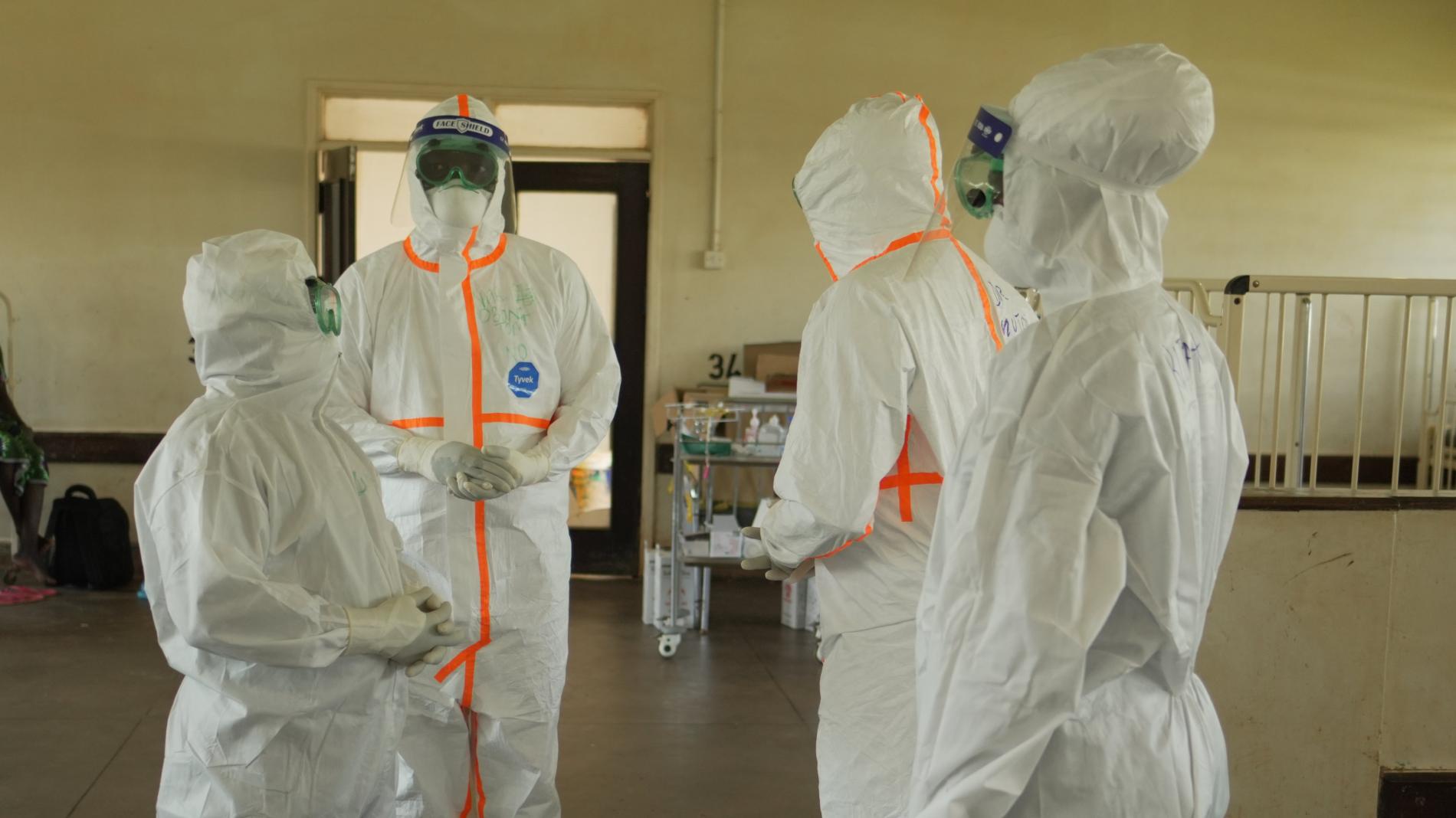
Ebola Outbreak Alert: Current Situation in Uganda
A new Ebola outbreak has raised concerns across East and Central Africa. The outbreak, caused by the Bundibugyo virus (a less common strain of Ebola), was first confirmed in Uganda’s neighboring Democratic Republic of Congo (DRC), specifically in Ituri Province.
As of mid-May 2026, health authorities report hundreds of suspected cases and significant deaths mainly in the DRC. Uganda has recorded two laboratory-confirmed imported cases in Kampala, both linked to travelers from the affected areas in the DRC. One of these cases resulted in death.
The World Health Organization (WHO) declared the situation a Public Health Emergency of International Concern (PHEIC) on May 17, 2026, due to cross-border spread, insecurity in the region, and challenges in rapid containment.
Key Facts About This Outbreak
- Virus Strain: Bundibugyo virus (BDBV). This strain has no approved specific vaccine or therapeutics currently available (unlike the more common Zaire ebolavirus).
- Symptoms: Sudden fever, severe headache, muscle pain, weakness, vomiting, diarrhea, abdominal pain, and in some cases, internal or external bleeding.
- Transmission: Direct contact with bodily fluids of infected people, contaminated surfaces, or materials. It is not airborne.
- Current Numbers (as of latest reports around May 19, 2026):
- DRC: Hundreds of suspected cases and over 100 deaths reported, concentrated in Ituri Province.
- Uganda: Only 2 confirmed imported cases (1 death). No evidence of widespread community transmission in Uganda so far.
Uganda’s Ministry of Health has activated enhanced surveillance, contact tracing, screening at borders and airports, and isolation protocols.
Uganda’s Response and Risk Level
Ugandan authorities are responding swiftly:
- Temperature screening at entry points.
- Activation of Ebola Treatment Units.
- Public awareness campaigns on symptoms and prevention.
- Collaboration with WHO, CDC, and regional partners.
For residents and travelers in Uganda, the immediate risk remains low if proper precautions are followed. The confirmed cases were imported, and health officials are closely monitoring contacts. No local transmission chains have been widely reported inside Uganda at this time.
Important: Travelers coming from or passing through affected areas in the DRC face higher risk. Several countries, including Uganda, have intensified border health measures.
Prevention Tips for Ugandans and Visitors
- Avoid non-essential travel to Ituri Province and other active outbreak zones in the DRC.
- Practice strict hand hygiene and avoid contact with sick individuals or their bodily fluids.
- Seek immediate medical attention if you develop fever or flu-like symptoms after potential exposure.
- Follow official updates from the Uganda Ministry of Health.
- Support community efforts in reporting unusual illnesses.
Broader Context and Outlook
This is not Uganda’s first experience with Ebola. The country has successfully contained previous outbreaks through strong surveillance and community engagement.
The current challenge is the cross-border nature of the threat and the humanitarian situation in eastern DRC, which complicates response efforts.
The situation is evolving rapidly. We will continue monitoring developments and provide updates as more information becomes available from reliable sources like the Uganda Ministry of Health, WHO, and CDC.
Stay Safe and Informed
Sources: WHO, CDC, Uganda Ministry of Health (as of May 2026).
Always verify the latest information from official government channels.
Disclaimer: This article is for informational purposes only and does not replace professional medical advice. Follow guidelines from health authorities.


