
Mount Kenya National Park Entrance Fee 2026: Updated KWS Rates
The latest Mount Kenya National Park entrance fees for 2026 — citizens, residents, and non-residents — plus hiking permits, camping costs, gates, and how to plan your Mount Kenya trek.
Mount Kenya National Park, a UNESCO World Heritage Site, is one of Kenya’s most scenic destinations and the country’s second-highest peak. Before planning your adventure, it’s important to know the Mt. Kenya National Park entrance fee, which varies depending on nationality, activity, and duration of stay.
As a premier spot for hiking, wildlife viewing, and cultural immersion, this park attracts thousands of visitors annually. In this comprehensive guide, we break down the latest Mount Kenya park fees for 2026, managed by the Kenya Wildlife Service (KWS), along with tips on payments, activities, and more.
Whether you’re eyeing a summit trek or a day safari, understanding these KWS park entry fees for Mount Kenya will help you budget effectively and avoid surprises at the gate. With regulations effective from October 1, 2025, fees have been revised for the first time in nearly two decades to support conservation efforts.
This update introduces tiered pricing for East African citizens, residents, African citizens, and non-residents, aiming to balance fair access with funding for wildlife protection. Always verify the most current rates directly with KWS before travelling, since fees can adjust annually.

Updated Mt Kenya National Park Entrance Fee for 2026
Mount Kenya National Park charges are structured to promote sustainability, with daily permits valid for single entries (day trips) or 24-hour overnights. Fees are non-refundable and must be paid in advance or at the gate.
KWS categorises visitors into four tiers: East African citizens (Kenya, Uganda, Tanzania, Rwanda, Burundi), Kenyan residents, other African citizens, and non-residents (international visitors).
For Kenya park fees more broadly, Mount Kenya falls under the “Wilderness Parks (A)” category, known for its rugged terrain and high-altitude adventures. Below is a detailed table of the revised rates, effective October 1, 2025, applying per person unless otherwise noted:
| Category | East African Citizens (KES) | Kenyan Residents (KES) | Other African Citizens (USD) | Non-Residents (USD) |
|---|---|---|---|---|
| Adults (Day Trip) | 400 | 600 | 26 | 52 |
| Children/Students (Under 18) | 200 | 300 | 13 | 26 |
| Student Groups (Per Person) | 200 | 300 | 13 | 26 |
| Camping Fees (Per Night) | 200 | 350 | 15 | 30 |
| Vehicle Entry (Saloon Car) | 300 | 300 | 10 | 10 |
| Vehicle Entry (4×4/Mini-Bus) | 600–1,500 | 600–1,500 | 20–25 | 20–25 |
Rates reflect KWS’s 2025 regulations. Children under 3 enter free. Annual passes are available for frequent visitors — KES 5,000 for East Africans, USD 500 for non-residents — a genuinely good option for multi-park trips across Kenya’s wider safari circuit.
Fees are payable through the KWS eCitizen platform or at the park gates via electronic payment only — cash hasn’t been accepted since 2023. For Mount Kenya hiking fees specifically, add-ons like climbing permits for the technical peaks (Nelion or Batian) cost an extra USD 100–150 per person, while trekking to Point Lenana is fully covered under standard entry.
Activities Covered by Your Mount Kenya National Park Entrance Fee
Your Mt. Kenya National Park entrance fee unlocks a genuinely wide range of adventures across this roughly 71,000-hectare wilderness. From adrenaline-pumping climbs to serene wildlife encounters, here’s what’s included — no extra charges for basic access.
Mountain Climbing and Trekking
Challenge yourself with the route to Point Lenana (4,985m), the trekking peak accessible to most reasonably fit hikers without technical climbing gear. For expert climbers, summiting Nelion (5,188m) or Batian (5,199m) — Mount Kenya’s true summits — requires ropes and specialised guides, at an extra cost of KES 5,000–10,000.
Mount Kenya trekking permits are bundled with standard entry, but porters should be booked separately through local operators. Expect 3–7 days for a full ascent, with your entrance fee covering trail access throughout.
Wildlife Viewing
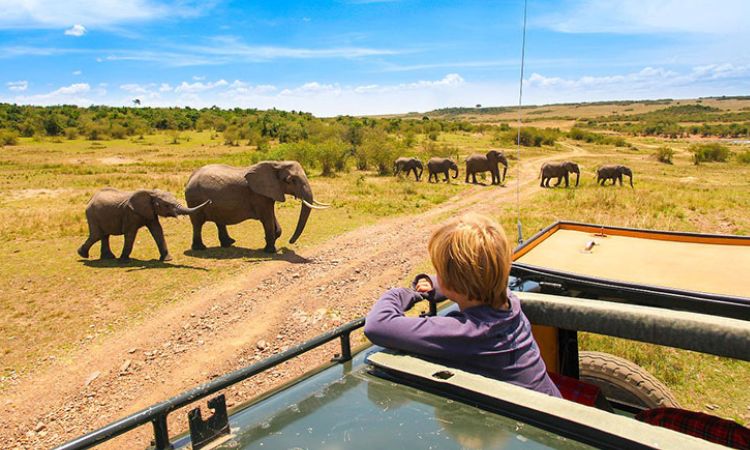
Spot majestic forest elephants roaming the lower montane zones, alongside buffalo, bushbuck, and elusive leopards. The park’s diverse ecosystems host over 80 mammal species, making it a genuinely compelling safari alternative to the busier Maasai Mara circuit. Dawn game drives from Naro Moru Gate typically offer the best sightings, and your entrance fee includes unlimited viewing during open hours.
Nature Walks and Bird Watching
Wander bamboo-shaded trails or alpine moorland teeming with over 130 recorded bird species, including sunbirds, lammergeyers, and crowned eagles. Guided walks (KES 2,000 extra) highlight endemic flora like giant lobelias — genuinely rewarding for photographers seeking things to do in Mount Kenya National Park away from the busier crowds elsewhere in Kenya.
Camping and Picnics
Pitch a tent at sites like Shipton’s Camp (high-altitude) or Old Moses (forest edge) for around USD 30/night. Bandas (rustic huts) at the Meru Gate area add comfort for around KES 3,000. Picnics are permitted in designated areas, though open fires are banned — gas stoves are required to protect the mountain’s genuinely fragile ecosystem.
Putting the full Mount Kenya climbing cost together: a 5-day trek typically totals around USD 300–500 per person, including entrance fees, gear rental, and meals along the route.
How to Get to Mount Kenya National Park
Nestled in Central Kenya, about 175 km north of Nairobi, Mount Kenya is reachable via a scenic drive or a short domestic flight. The best route for climbing Mount Kenya genuinely depends on your starting point and experience level.
From Nairobi: take the A2 highway to Nanyuki, roughly 3–4 hours by private car. See our full Kenya safari parks overview if you’re combining Mount Kenya with other parks on the same trip.
Main gates: Sirimon (northern, easiest for treks), Naro Moru (central, vehicle-friendly), Chogoria (eastern, scenic but rugged), and Kamweti (western, less crowded).
Transport options: self-drive in a 4×4 (vehicle entry fee applies), join matatus from Nanyuki or Meru towns, or fly into Nanyuki Airstrip for a 20-minute transfer to the gate.
Nearby towns: stock up on supplies in Nanyuki, the region’s main adventure hub, or Chogoria for a quieter base. Matatus typically cost KES 500–1,000 one-way between towns and gates.
Road conditions vary meaningfully by season — rainy periods genuinely demand a 4×4. For a broader look at combining Mount Kenya with the rest of the country, our Kenya safaris page covers combined itinerary options.
Park Gates and Payment Points
Access Mount Kenya through four primary gates, open 6am–6pm daily, with extended hours available for climbers holding overnight permits.
- Sirimon Gate (Nanyuki side): ideal for northern treks; payments accepted via M-Pesa or card.
- Naro Moru Gate (central): the most popular entry point for day visitors; eCitizen kiosks available on-site.
- Chogoria Gate (eastern): genuinely stunning views, supporting eastern-route ascents.
- Kamweti Gate (western): a remote entry point best suited to experienced hikers.
How to pay KWS park fees: use the eCitizen app (available via the Play Store or App Store) for online bookings — select “Kenya Wildlife Service,” choose Mount Kenya, and pay by Visa, Mastercard, or M-Pesa. At the gate itself, scan your KWS Smart Card or generate a QR code for entry. Pre-paying online is genuinely worth doing to skip queues, especially during peak season.
Best Time to Visit Mount Kenya National Park
Timing your trip meaningfully affects both enjoyment and safety. The best time to climb Mount Kenya lines up with the driest weather, when trail conditions are most stable.
Dry seasons (peak): January–March and July–October. Clear skies and wildflowers in bloom make this the ideal summit window — expect more crowds and book well ahead. Rainy seasons (shoulder): April–June and November–December.
Genuinely lush greenery rewards photographers, though slippery paths and leeches are a real trade-off. Fewer visitors during these months also mean better deals on the Mount Kenya camping fee and lodge rates generally.
Mount Kenya weather for hikers: expect daytime highs of 15–25°C at the base, dropping to as low as -5°C near the peaks. Pack genuine layers and rain gear year-round regardless of season, and avoid the December 25–January 1 window if you want to sidestep holiday surcharges.
Mount Kenya’s Wildlife and Landscape: What to Expect
Beyond the fee structure, the park’s biodiversity is genuinely captivating. Spanning five distinct vegetation zones — from montane forest to glacial peaks — it functions as a living ecological classroom.
Wildlife highlights: forest elephants, buffalo herds, and tree hyrax are commonly encountered, with black rhino sightings possible but genuinely rare given how limited their range is in this specific ecosystem — always confirm current status with your guide rather than expecting a guaranteed sighting.
Leopards and genets stalk the undergrowth, while black-and-white colobus monkeys swing through the bamboo groves lower on the mountain.
Birds and flora: over 130 recorded species, including the striking scarlet-tufted malachite sunbird. The park’s zones include bamboo forest (2,000–2,600m) with dense, misty trails; moorland (2,600–3,400m) covered in heather and giant groundsels; and alpine desert above 4,000m, dominated by rock, ice, and genuinely unique endemic plant life found almost nowhere else.
Where to Stay Near Mount Kenya National Park
Extend your stay with a genuinely diverse range of lodging, from luxury lodges to basic campsites:
- Serena Mountain Lodge: upscale, all-inclusive at 2,100m elevation, with real views of the peak — from USD 300/night.
- Old Moses Camp: budget camping with bandas — around KES 1,500/person.
- Shipton’s Camp: high-altitude huts built specifically for trekkers — around USD 50/night.
- Castle Forest Lodge: eco-cabins near Sirimon Gate — around KES 5,000/room.
- Naro Moru River Lodge: riverside luxury with spa facilities — from USD 200/night.
Contact our team for full accommodation packages that bundle transfers and lodging together, often delivering genuine savings against booking each piece separately.
FAQs – Mt Kenya National Park Entrance Fee
How much is the entrance fee for Mount Kenya National Park? For 2026, non-residents pay USD 52/day for adults and USD 26 for children — see the full tiered table above for citizen and resident rates.
Can I pay Mount Kenya fees online? Yes — via the eCitizen portal or KWS app. Electronic payment is now mandatory at all gates.
What activities are included in the park entry fee? Hiking, wildlife viewing, birdwatching, and basic camping access are all covered. Technical climbing permits for Nelion or Batian require an additional fee.
Is Mount Kenya safe for tourists? Generally yes, with genuinely low crime. Altitude sickness is the main real risk — acclimatise properly and always hire an experienced guide for anything beyond a short day walk.
What is the best route for climbing Mount Kenya? Sirimon suits beginners best; Chogoria offers the most scenic route for experienced hikers. Most routes take 3–5 days for a full trek.
Plan Your Mount Kenya Adventure Today
Mount Kenya delivers a genuinely different kind of Kenya safari — glacial peaks, five distinct ecological zones, and world-class trekking alongside the wildlife encounters the country is famous for.
Hail Tours can build Mount Kenya into a wider Kenya itinerary alongside the Maasai Mara, Samburu, or Amboseli, handling permits, guides, transfers, and accommodation so you can focus entirely on the mountain.
Contact our team today to start planning your Mount Kenya trek, or browse our full range of Kenya safaris to see how it fits into a longer trip.
Related Pages
Kenya parks & fees
- Masai Mara National Reserve
- Samburu National Reserve
- Amboseli National Park
- Tsavo National Park
- Nairobi National Park
- 5 Best Safari Parks in Kenya
Kenya safaris
- Africa Kenya Safaris
- 3 Days Maasai Mara Safari
- 5 Days Masai Mara and Lake Naivasha
- 6 Days Masai Mara, Lake Nakuru and Amboseli Safari
- 7 Days Best of Kenya Safari
- 8 Days Kenya Big Five Safari
Planning guides
Company