Best Time to Visit Tanzania & Zanzibar in 2026: Complete Guide
Best time to visit Tanzania depends on your travel goals — whether you’re chasing the iconic Serengeti wildebeest migration, seeking excellent wildlife viewing, or combining a safari with a relaxing Zanzibar beach escape.
Tanzania is a year-round destination, but the dry season (June to October) is widely regarded as the best time to visit Tanzania for safari due to clear skies, minimal rainfall, and superior game viewing.
However, the “best” time varies: some travelers prefer the quieter green season for lower prices and lush landscapes, while others target specific events like wildebeest calving. Here’s a detailed breakdown to help you plan the perfect Tanzania safari or Zanzibar holiday.
Why the Dry Season is Often the Best Time for Tanzania Safaris
The long dry season from June to October offers the best conditions for Tanzania safaris. Vegetation thins out, animals concentrate around waterholes and rivers, and roads remain passable. This period also aligns with peak wildebeest migration action in the Serengeti.
- June to October: Excellent wildlife visibility across most parks (Serengeti, Ngorongoro Crater, Tarangire, Ruaha). Cooler temperatures and low humidity make game drives comfortable.
- January to February: Ideal for wildebeest calving season in southern Serengeti — thousands of calves are born daily, attracting predators for dramatic sightings.
Tanzania Seasons: Dry vs. Wet (Green Season)
Tanzania has two main rainy seasons:
- Long rains (March–May): Heaviest rainfall; some roads become muddy, but fewer crowds and lower prices.
- Short rains (November–December): Brief afternoon showers; landscapes turn vibrant.
Visiting Tanzania in the green season (roughly November–May, especially after rains) has unique advantages:
- Lush greenery and blooming flowers create stunning photography opportunities.
- Migratory birds arrive in large numbers.
- Lower tourist volumes mean more intimate wildlife encounters and significant savings on lodges and tours.
- Early wet season (e.g., November or late May) often still offers good game viewing with short grass.
Many travelers now seek “Tanzania safari in green season advantages” for budget-friendly trips with excellent value.
Pro tip: Southern and western parks (Ruaha, Katavi, Selous) can be excellent even in the wetter months for birding and fewer visitors.
Best Time to Visit Tanzania by Month (Quick Reference Table)
|
Month |
Weather |
Wildlife Highlights |
Best For |
Crowd Level |
|
January–February |
Warm & mostly dry |
Wildebeest calving in southern Serengeti |
Calving season & predator action |
High |
|
March–May |
Long rains (peak April–May) |
Lush landscapes, birding |
Green season, budget safaris |
Low |
|
June–July |
Dry, pleasant |
Grumeti River crossings begin |
Migration start, good viewing |
Moderate–High |
|
August–September |
Dry & sunny |
Peak Mara River crossings |
Dramatic migration spectacles |
Very High |
|
October |
Dry, warming up |
Migration moving south |
Excellent game viewing |
High |
|
November–December |
Short rains |
Return to southern plains, birding |
Shoulder season value |
Moderate |
Best time for Tanzania safari overall: June–October for most visitors. September is frequently called one of the top months for balanced weather and wildlife.

Best Time to Visit Tanzania for the Great Wildebeest Migration
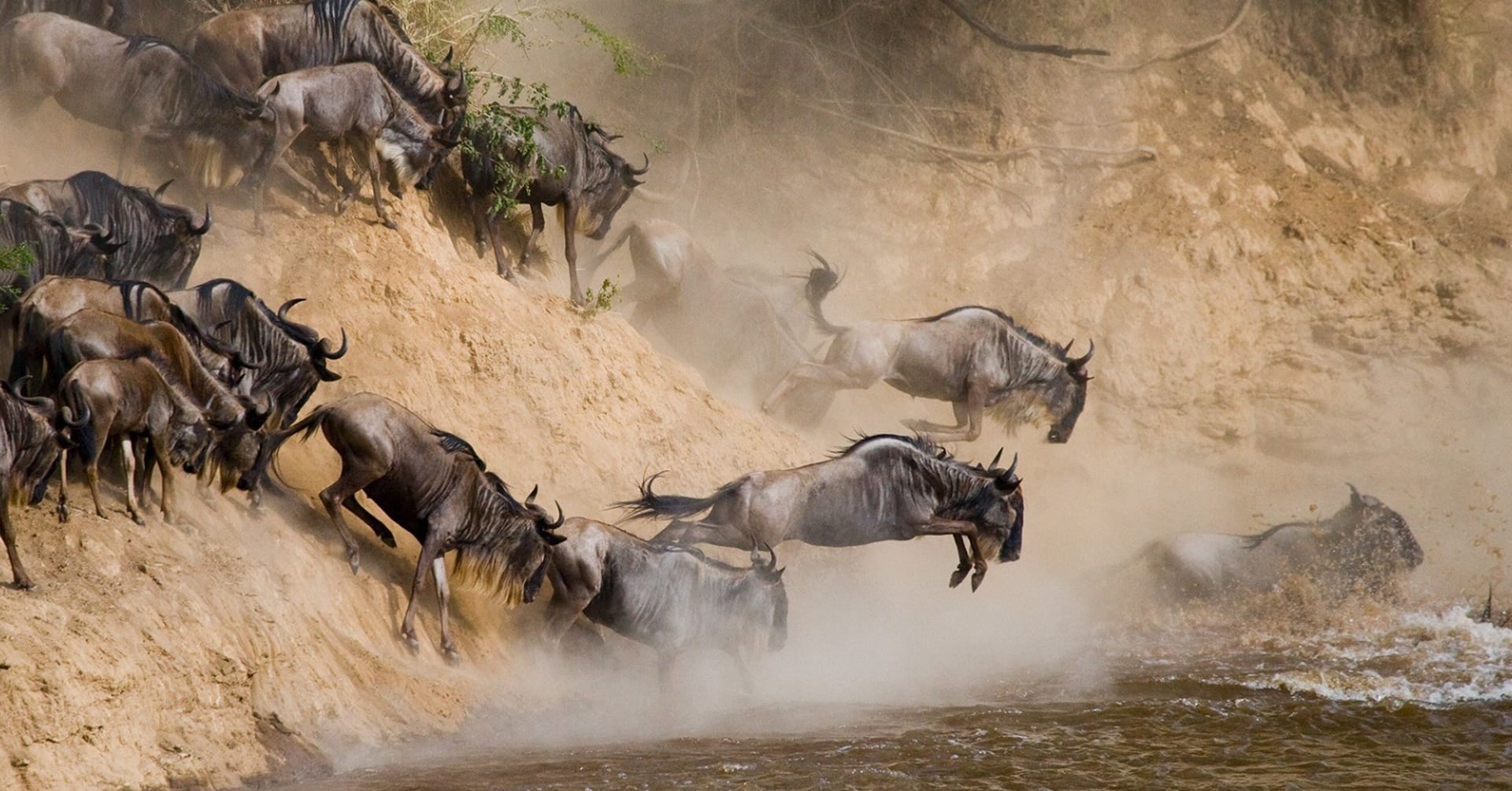
The Serengeti wildebeest migration is one of Africa’s greatest spectacles. Over 1.5 million wildebeest and zebras move in a circular pattern driven by rainfall and fresh grass.
- January–March (Calving Season): Southern Serengeti & Ndutu — best for witnessing births and predator action.
- June–July: Western Corridor — Grumeti River crossings.
- August–October: Northern Serengeti — dramatic Mara River crossings (peak in August–September). This is the most popular window for “best time to visit Tanzania for migration river crossings“.
Each phase offers unique experiences, so tailor your trip accordingly.
Best Time to Visit Zanzibar for Beach Holidays
Zanzibar pairs perfectly with a Tanzania safari. The best time to visit Zanzibar is during the dry season: June to October (cooler, less humid) and December to February (warm and sunny).
- June–October: Ideal for beach relaxation, snorkeling, diving, and exploring Stone Town. Calm seas and mild weather make it perfect for water activities.
- December–February: Great for sunbathing and festive vibes, though slightly warmer.
Avoid the long rainy season (March–May), when heavy downpours can disrupt outdoor plans. Short rains in November are usually manageable with quick showers.
What to Pack for Your Tanzania Safari or Zanzibar Trip
Essentials include:
- Lightweight, neutral-colored clothing (long sleeves/pants for evenings and sun protection)
- Sun hat, sunglasses, sunscreen, and insect repellent
- Rain jacket (especially for shoulder seasons)
- Comfortable safari boots or closed shoes
- Binoculars, camera, and daypack
- Passport, visa documents, and any medications
Layering is key — mornings and evenings can be cool, especially in higher elevations like Ngorongoro.
Best places to visit for a Tanzania Safari
Tanzania is a vast country in East Africa with several pristine National Parks, Reserves, historical sites and more. The top places to consider visiting for Tanzania safari include Serengeti National Park, Ngorongoro Conservation Area or Ngorongoro Crater, Ruaha National Park, Tarangire National Park, Gombe & Mahale Mountains National Parks, Kilimanjaro National Park.
Other places to visit include Selous Game Reserve, Mikumi National Park, Lake Manyara National Park, Katavi National Park, Saanane Islands National Park, Kitulo National Park, Udzungwa Mountains National Park, Arusha National Park, Mkomazi National Park.
Top historic and cultural places to explore on Tanzania safaris include Stone Town in Zanzibar (a UNESCO World Heritage Site and a major attraction in Zanzibar-Tanzania) with several sites to be visited including museums, ancient buildings, memorial centers. The national museum and house of culture in Dar-es-Salaam, Askari Monument, Village Museum.
Wildlife in Tanzania
Tanzania is amazingly a home to diverse wildlife species often spotted in various habitats ranging from savanna, grassland plains, wetlands, wooded forests.
The species of wildlife to look out for on Tanzania safaris include wildebeests, elephants, sitatungas, cheetahs, leopards, jackals, giraffes, gazelles, hippos, hyenas, crocodiles, warthogs, zebras, snakes, plus other mammals.
Over 1112 species of birds call Tanzania a home and they range in different habitats. They include flamingos, ostriches, loveridge’s sunbird, Mrs moreau’s warblers, Iringa akalat, Fischer’s lovebird, banded green sunbird, grey breasted spur fowl, Tanzania red billed hornbill, Usambara weaver.
Other birds to sight include Tanzania seedeater, rufous tailed sunbird, hartlaub’s turacos, marsh tchagra, pallid honeyguide, long tailed fiscal, Livingstone’s flycatcher, lappet faced vulture, green headed oriole, golden breasted starling etc.
Popular Tanzania Safari Activities
- Game drives and hot air balloon safaris
- Wildebeest migration viewing
- Chimpanzee trekking
- Beach time and snorkeling in Zanzibar
- Cultural visits to Maasai villages or Stone Town
- Birdwatching and hiking
Final Recommendations: When Should You Visit?
- First-time visitors or migration enthusiasts: June–October (peak dry season).
- Budget-conscious or nature lovers: Green season (March–May or November).
- Safari + Beach combo: June–October or December–February.
- Calving focus: January–February.
Book early for peak months, as popular lodges fill up quickly. Consider your priorities — wildlife density, crowds, costs, or scenery — and consult with a reputable operator like Hail Tours Tanzania for personalized itineraries.
Tanzania offers unforgettable experiences year-round. Whether you’re planning your best time to visit Tanzania for safari or a dreamy Zanzibar getaway, the right timing will make your African adventure truly magical.