
Elephants in Uganda: Best Places to See Them on Safari
Explore elephants in Uganda, their habitats, behavior, and conservation. Discover the best national parks to see these magnificent giants on a Uganda safari.
Uganda, often called the “Pearl of Africa,” is a country rich in biodiversity, known for its pristine landscapes, vibrant cultures, and genuinely abundant wildlife.
Among the many iconic species that call Uganda home, the elephant stands out as one of the most fascinating and majestic creatures you’ll encounter on any Uganda wildlife safari.
Whether you’re a seasoned wildlife enthusiast or planning your first trip to East Africa, Uganda offers some of the continent’s best opportunities to see elephants in their natural habitat.
This guide covers everything worth knowing about elephants in Uganda — where to find them, the best national parks for sightings, their ecological role, and the conservation challenges shaping their future.
Understanding Elephants in Uganda
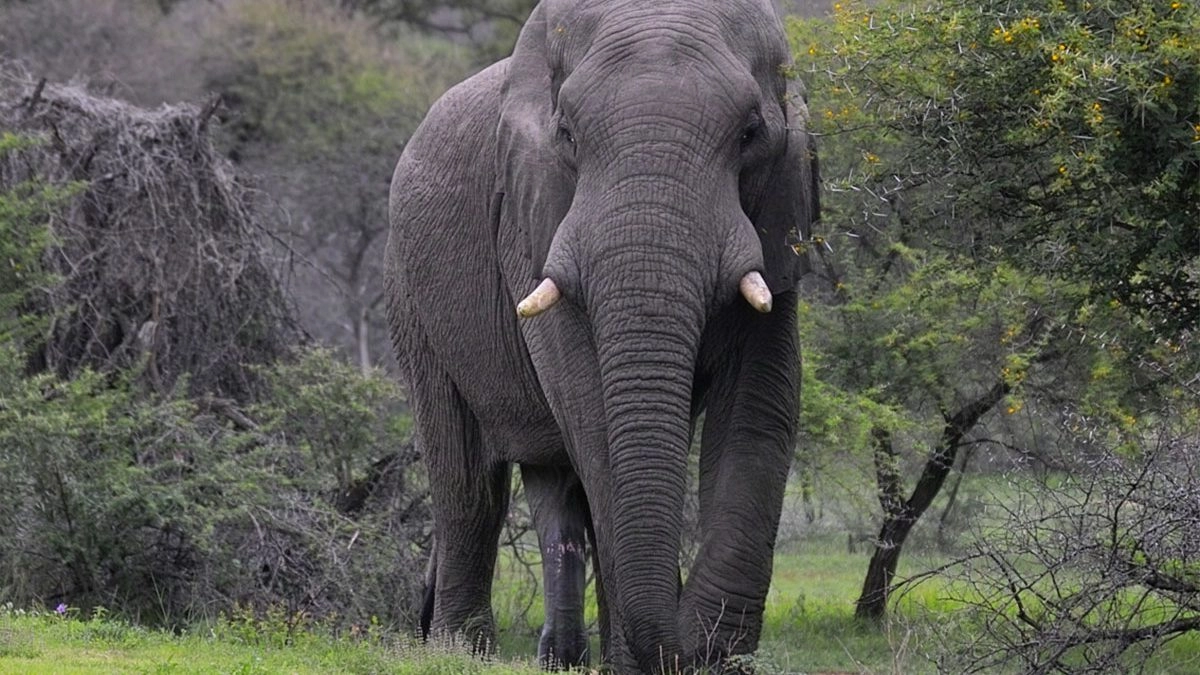
Uganda is home to the African bush elephant (Loxodonta africana), the species you’ll most commonly encounter across the country’s savanna and forested parks, along with smaller, more localized populations of forest elephants (Loxodonta cyclotis) — a distinct species more typically associated with central and western Africa’s dense rainforest.
Elephants are the largest land mammals on Earth and play a genuinely critical role in shaping their ecosystems. In Uganda, they’re known for their intelligence, complex social structures, and strong family bonds.
As herbivores, they feed on a wide range of grasses, fruits, bark, and leaves, and their need for large territories to roam makes elephant conservation an important priority — protecting elephants, in turn, helps maintain the broader ecological balance of Uganda’s parks.
African Bush Elephants vs. Forest Elephants
While both species belong to the African elephant family, they differ in meaningful ways. Bush elephants are larger, with bigger, more curved tusks and rounder ears, and they thrive across Uganda’s open savanna and mixed woodland.
Forest elephants are smaller, with straighter tusks and more oval-shaped ears, adapted for navigating dense rainforest understory.
On a typical Uganda elephant safari, you’ll almost always be viewing bush elephants — the species behind the large, visible herds in parks like Queen Elizabeth and Murchison Falls.
The Best National Parks in Uganda to See Elephants
Uganda’s national parks and wildlife reserves offer excellent, varied opportunities for elephant sightings. Here are the top parks worth building into your itinerary.
1. Queen Elizabeth National Park
Located in southwestern Uganda, Queen Elizabeth National Park is one of the most popular and accessible parks for elephant viewing anywhere in the country. Its diverse ecosystems — savanna, wetlands, tropical forest, and crater lakes — support an impressive elephant population, making it a genuinely prime destination for any elephant-focused safari.
Elephants here are frequently spotted in the southern Ishasha sector, roaming freely across open grassland, and are commonly seen during early morning or late afternoon game drives around the Kazinga Channel — a key water source that draws elephants alongside hippos, buffalo, and a wide range of birdlife. Our 3 Days Queen Elizabeth National Park Safari is built specifically around maximizing time in these elephant-rich areas.
2. Murchison Falls National Park
Murchison Falls National Park, in Uganda’s northwest, is home to one of the country’s largest elephant populations alongside its namesake, the powerful Murchison Falls itself.
Elephants here are regularly seen along the Victoria Nile, gathering to drink and bathe — some of the most reliable, close-up elephant sightings anywhere in Uganda.
The Buligi game tracks are a particular highlight, offering scenic Nile views alongside frequent elephant sightings mixed with giraffes, lions, and buffalo. Both our 3 Days Murchison Falls National Park Safari and 5 Days Murchison Falls and Kibale Safari cover this exact area in depth.
3. Kidepo Valley National Park
Tucked into Uganda’s remote northeast, Kidepo Valley National Park is among the country’s least visited parks — which makes it a genuine hidden gem for elephant watchers seeking a quieter, more exclusive experience.
Its rugged, semi-arid terrain creates a distinctive setting, and while its elephant population is smaller than Queen Elizabeth’s or Murchison’s, sightings here feel far less crowded, with herds often visible wandering across vast, open savanna plains.
Kidepo pairs elephant sightings with rarer wildlife like cheetahs, zebras, and giraffes, for a genuinely off-the-beaten-path safari experience. Our 4 Days Kidepo Wildlife Tour is designed around exactly this kind of remote, low-traffic game viewing.

4. Lake Mburo National Park
Located close to Kampala, Lake Mburo National Park is smaller and easier to reach than Uganda’s other major parks, with a correspondingly smaller elephant population — but it still offers a genuinely worthwhile setting to see elephants against a backdrop of wetlands, rolling hills, and lake shoreline.
Elephants here are often spotted near salt licks or along the water’s edge, making it an excellent option for travelers short on time who still want a real chance at elephant sightings without traveling deep into the country.
Elephant Population in Uganda: Numbers and Trends
Uganda’s elephant population has recovered significantly since the severe declines of the 1970s and 1980s, when poaching and civil conflict devastated numbers across the country’s parks.
Today, Uganda is home to several thousand elephants, with Queen Elizabeth and Murchison Falls National Parks holding the largest concentrations.
This recovery reflects decades of sustained anti-poaching work, habitat protection, and growing eco-tourism revenue — a trend line that makes Uganda one of the more genuinely encouraging elephant conservation stories in East Africa.
Elephant Behavior and Social Structure
Elephants live in tight-knit matriarchal family groups, typically led by the oldest and most experienced female. These herds usually consist of related females and their young, while adult males tend to live more solitary lives or form smaller, looser bachelor groups once they reach maturity.
Elephants are known for sophisticated communication — low-frequency rumbles that travel long distances, along with body language, touch, and scent — and for behaviors that suggest genuine emotional depth, including apparent grief responses around deceased herd members. Understanding this social complexity adds real depth to watching elephant herds interact during a Uganda game drive.
The Role of Elephants in Uganda’s Ecosystem
Elephants are often described as “ecosystem engineers” because of their outsized impact on the landscapes they inhabit. Their feeding, browsing, and water-hole digging reshape terrain in ways that directly benefit other species — elephants help maintain biodiversity by opening up dense vegetation for other animals to use, and by encouraging the growth of certain plant species through their grazing patterns.
In Uganda, elephants support the broader health of both forest and savanna ecosystems, which in turn sustains smaller herbivores, carnivores, and a wide range of bird species.
Their feeding on specific tree species creates gaps in the canopy that let sunlight reach the forest floor, promoting new plant growth.
Their migration patterns matter too — as elephants move across large territories, they spread seeds and support the regeneration of forests and grasslands, keeping these ecosystems genuinely resilient over time.
Conservation Efforts for Elephants in Uganda
Despite their ecological importance, Uganda’s elephants face real ongoing threats — poaching, habitat loss, and human-wildlife conflict chief among them.
Poaching for ivory was historically a severe problem, though Uganda has made significant progress reducing it through stronger law enforcement and dedicated anti-poaching programs.
Working alongside conservation organizations, the Ugandan government has implemented several key strategies:
- Increased patrolling and monitoring — regular anti-poaching patrols across national parks, supported by camera traps, GPS tracking, and aerial surveillance
- Community involvement — engaging local communities directly in conservation, including elephant-proof fencing and compensation programs for farmers affected by crop damage
- International partnerships — collaboration with organizations like African Parks and the Wildlife Conservation Society to support elephant protection alongside other endangered species
Elephant Safari Tips for Travelers
If you’re planning an elephant-watching safari in Uganda, a few practical tips will help you get the most out of it:
- Best time to visit: the dry season (June–September) is generally the strongest window for elephant sightings, since animals congregate near water sources; the rainy season (March–May) offers a lusher landscape and its own distinct appeal.
- Go with a guided safari: an experienced local guide dramatically improves your odds of good sightings, adds real context on elephant behavior, and keeps the experience safe throughout.
- Respect the animals: always keep a safe distance, particularly from large males or mothers with calves — elephants are wild animals, and approaching too closely can turn dangerous quickly.
- Photography tips: early morning and late afternoon offer the best light; patience pays off, and a solid zoom lens lets you capture strong shots without disturbing the herd.
Elephant Conservation Challenges in Uganda
Uganda has made genuine strides in elephant conservation, but real challenges remain. Poaching hasn’t disappeared entirely, despite stronger enforcement. Habitat loss from agriculture, logging, and human encroachment continues to pressure elephant populations, and human-wildlife conflict — elephants raiding crops or damaging property — can still lead to retaliatory killings in affected communities.
That said, Uganda’s ongoing conservation commitment and its growing tourism sector offer real reason for optimism. Sustainable eco-tourism directly funds conservation work, and as more travelers visit Uganda specifically to see elephants, the case for protecting them only grows stronger.
FAQs About Elephants in Uganda
Where is the best place to see elephants in Uganda? Queen Elizabeth National Park and Murchison Falls National Park offer the most reliable, highest-density elephant sightings in the country, with Kidepo Valley and Lake Mburo offering smaller but genuinely rewarding alternatives.
What’s the best time of year to see elephants in Uganda? The dry season, from June to September, is generally best, as elephants congregate more predictably around water sources during this period.
How many elephants live in Uganda? Uganda’s elephant population has recovered to several thousand individuals, concentrated primarily in Queen Elizabeth and Murchison Falls National Parks, following decades of anti-poaching and habitat protection work.
Are Uganda’s elephants dangerous to encounter on safari? Elephants are wild animals and should always be treated with respect and distance, particularly bulls in musth or mothers with calves. Guided safaris with experienced rangers significantly reduce any risk.
Can I combine elephant viewing with gorilla or chimpanzee trekking in Uganda? Yes — many of our itineraries combine elephant-rich parks like Murchison Falls or Queen Elizabeth with primate trekking in Bwindi or Kibale, giving you a genuinely complete Uganda wildlife experience in one trip.
Why Elephants in Uganda Are Worth the Visit
Elephants in Uganda are far more than a magnificent sight — they’re a symbol of the country’s rich biodiversity and its genuine, ongoing commitment to wildlife conservation.
From the accessible plains of Queen Elizabeth National Park to the remote wilderness of Kidepo Valley, Uganda offers some of the best elephant safari experiences anywhere on the continent.
These intelligent, powerful animals remain integral to Uganda’s ecosystems, and the work to protect them continues every day.
Plan Your Uganda Elephant Safari With Us
Hail Tours Uganda builds elephant-focused safaris across Queen Elizabeth, Murchison Falls, Kidepo, and Lake Mburo, with every itinerary tailored to your timeline and interests.
Whether you want a focused, short elephant safari or a longer 7 Days Uganda Wildlife Safari covering multiple parks and species, our locally based guides and regularly inspected 4×4 vehicles make the whole experience seamless from start to finish. For a full look at Uganda’s protected areas, see our guide to Uganda’s national parks.
Contact us today to start planning a personalized Uganda elephant safari — a once-in-a-lifetime opportunity to witness one of the world’s most remarkable animals in its natural habitat.
Related Pages
- Queen Elizabeth National Park
- Murchison Falls National Park
- 3 Days Queen Elizabeth National Park Safari
- 3 Days Murchison Falls National Park Safari
- 4 Days Kidepo Wildlife Tour
- 2 Days Lake Mburo National Park
- 5 Days Murchison Falls and Kibale Safari
- 7 Days Uganda Wildlife Safari
- Uganda National Parks
- Uganda Safari Activities
- Best Time to Visit Uganda
- Best Uganda Safari Lodges
- Uganda Safari Itinerary Price Guide
- About Hail Tours Uganda