What is Gorilla Habituation? A Complete Guide 2026
Gorilla habituation is the fascinating process of gradually training wild mountain gorillas to tolerate the presence of humans without fear or aggression. This unique activity takes place in Uganda and offers travelers an immersive, research-style encounter far beyond a standard visit.
Why is it important? It supports long-term conservation by enabling scientists and rangers to study and protect one of the world’s most endangered primates. Unlike regular gorilla trekking, where you spend just one hour with fully habituated groups, the gorilla habituation experience lets you join researchers for up to four hours with semi-habituated families — giving you deeper insights into their natural behaviors.
This exclusive activity is available only in Bwindi Impenetrable National Park and helps fund anti-poaching, habitat protection, and community projects.
If you’re searching for “gorilla habituation experience,” “Bwindi gorilla habituation,” or “Rushaga gorilla habituation,” this complete guide covers everything you need to know before booking your adventure.
What Gorilla Habituation Means
Gorilla habituation is the careful, multi-year process of accustoming wild mountain gorillas to human presence. Researchers and rangers from the Uganda Wildlife Authority (UWA) visit selected gorilla families daily, starting at a safe distance and slowly getting closer over time.
The entire process typically takes 2–5 years per family. It begins with short, non-threatening visits and progresses until the gorillas remain calm around people. This allows for scientific research, veterinary monitoring, and eventually limited tourism.
The Uganda Wildlife Authority manages the program in Bwindi to balance conservation with responsible tourism. Only a few families (currently Bukingyi and Bushaho in Rushaga) are in active habituation, making this one of the most exclusive wildlife experiences on Earth.
What is the Gorilla Habituation Experience?
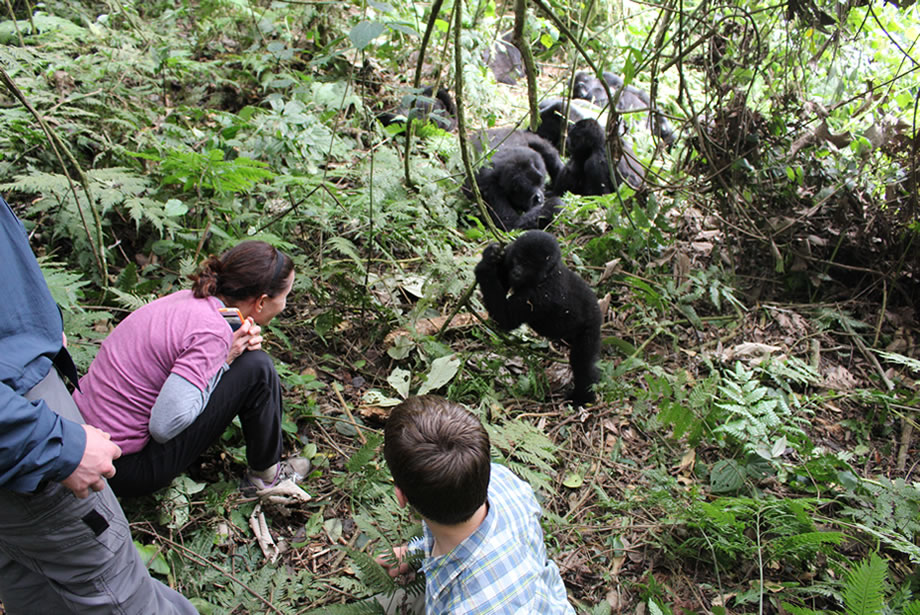
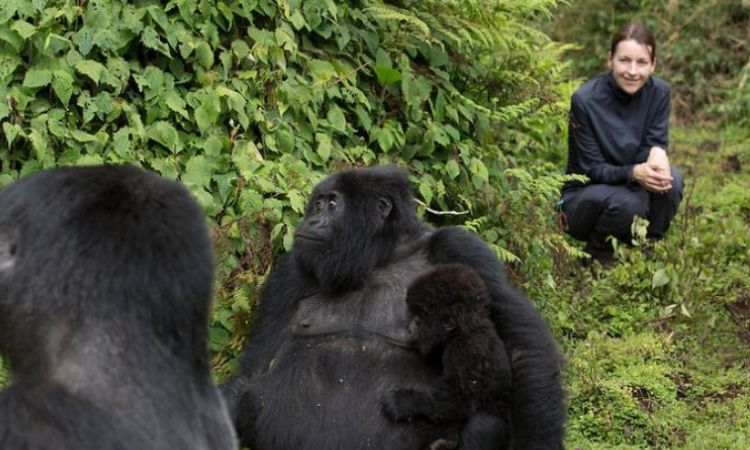
The gorilla habituation experience is a tourist activity where visitors actively participate alongside researchers and rangers. Instead of a quick glimpse, you spend up to four hours observing and learning about semi-habituated mountain gorillas in their natural habitat.
You track the family through the dense forest, watch daily routines (feeding, playing, resting, and social interactions), and contribute indirectly to ongoing research. This is often called the “gorilla habituation experience” or “mountain gorilla habituation” because you become part of the habituation team for the day.
Only four visitors per group are allowed daily, making it intimate and research-focused — a true highlight for anyone searching for “Bwindi gorilla habituation” or “Rushaga gorilla habituation.”
Where Gorilla Habituation Takes Place
Gorilla habituation in Uganda is offered exclusively in one location: the Rushaga Sector of Bwindi Impenetrable National Park in southwestern Uganda. This southern sector is home to the only semi-habituated families currently open to visitors.
No other park or sector worldwide offers this specific experience. Rushaga’s dense rainforest and rich biodiversity make it ideal for the slow, patient work of habituation. All gorilla permits and activities are coordinated through the UWA office at the Rushaga trailhead.
Difference Between Gorilla Trekking and Gorilla Habituation
Many travelers search for the exact differences. Here’s a clear comparison:
|
Feature |
Gorilla Trekking |
Gorilla Habituation Experience |
|
Time with gorillas |
1 hour |
Up to 4 hours |
|
Gorilla groups |
Fully habituated |
Semi-habituated (in process) |
|
Group size |
Up to 8 tourists |
Only 4 tourists |
|
Cost (Foreign Non-Resident, 2026) |
$800 |
$1,500 |
|
Experience |
Standard wildlife viewing |
Research-based, immersive, educational |
|
Availability |
Multiple sectors, 104 permits daily |
Only Rushaga sector, very limited (4 per day) |
|
Best for |
First-time visitors |
Repeat visitors wanting deeper insight |
The gorilla habituation experience delivers far more time and intimacy, which is why it commands a premium price and sells out quickly.
Cost of Gorilla Habituation Permits
The gorilla habituation permit is one of the most searched topics for Uganda travel. Current 2026 rates set by the Uganda Wildlife Authority are:
- Foreign Non-Residents: $1,500 per person
- Foreign Residents: $1,000 per person
- Rest of Africa Residents: $1,000 per person
- East African Citizens: UGX 750,000 (~$200)
The permit includes:
- Four hours with the gorilla family
- Expert rangers and researchers
- Tracking support
- Conservation contribution
Permits are issued directly by the Uganda Wildlife Authority and must be booked 3–12 months in advance through authorized tour operators (direct gate purchase is not reliable due to limited availability).
Compared to standard gorilla trekking ($800), the higher cost reflects the exclusivity, longer time, and direct support for ongoing research.
What Happens During the Experience
Here’s a step-by-step breakdown of a typical gorilla habituation experience day in Rushaga:
- Morning briefing (7:30–8:00 am) — Meet rangers and researchers at the UWA office for safety instructions, gorilla behavior overview, and group allocation.
- Trekking into the forest — Hike 2–4 hours (sometimes more) through steep, muddy trails following fresh signs from trackers.
- Finding the gorilla family — Once located, the team approaches calmly.
- Observing and spending 4 hours — Watch feeding, play, grooming, and silverback leadership up close. Researchers explain behaviors in real time.
- Return trek — Head back to the trailhead (total day 8–10 hours).
Best Time for Gorilla Habituation
Uganda has two main dry seasons that are ideal for Bwindi gorilla habituation:
- June to September (peak dry season)
- December to February (shorter dry season)
During these months, trails are less muddy, visibility is better, and trekking is easier. Rainy seasons (March–May and October–November) still work but involve more slippery paths and heavier rain gear. Book early for June–September, as these months are busiest.
What to Pack for Gorilla Habituation
A good packing list improves comfort and safety in Bwindi’s rainforest:
- Sturdy waterproof hiking boots
- Rain jacket and trousers (poncho recommended)
- Long-sleeved shirts and trousers (for protection from nettles and insects)
- Gardening gloves (for handling vines)
- Binoculars and camera with zoom (no flash)
- Insect repellent and sunscreen
- Reusable water bottle and energy snacks
- Daypack, hat, and quick-dry socks
Porters are available for hire ($10–15) to carry your bag — highly recommended.

Gorilla Habituation Rules
Strict rules protect both gorillas and visitors:
- Maintain at least 7 meters distance
- No touching or feeding gorillas
- No flash photography
- Speak quietly and avoid sudden movements
- Do not visit if you feel sick (to prevent disease transmission)
- Follow ranger instructions at all times
- Maximum group of 4 people
These rules have been key to the success of mountain gorilla conservation.
Why Gorilla Habituation is Important
Gorilla habituation directly supports conservation. Revenue from permits funds ranger patrols, habitat restoration, and community benefits. It also enables non-invasive research on gorilla health, genetics, and behavior without fully habituating every group.
Thanks to decades of habituation and protection efforts, the mountain gorilla population has grown from around 650 in the 1980s to over 1,000 today — one of Africa’s great conservation success stories.
Every Rushaga gorilla habituation permit you buy helps ensure this endangered species thrives for future generations.
Accommodation Near the Habituation Area
Stay close to the Rushaga gate for early starts and maximum convenience. Recommended options:
- Gorilla Safari Lodge — Luxury 4-star property right on the park boundary with stunning forest views and excellent dining.
- Ichumbi Gorilla Lodge — Elegant cottages with private balconies, just a 10-minute walk from the gate — perfect for luxury travelers.
- Rushaga Gorilla Camp — Comfortable mid-range tents and rooms with great value and a relaxed atmosphere.
Price ranges (per night, double occupancy, 2026 approx.):
- Luxury (Gorilla Safari Lodge / Ichumbi): $350–$650
- Mid-range (Rushaga Gorilla Camp): $120–$250
- Budget options: $60–$120
FAQs – What is Gorilla Habituation
What is gorilla habituation?
It is the gradual process of teaching wild mountain gorillas to accept human presence, allowing safe research and limited tourism.
How long does gorilla habituation take?
The full process for a family takes 2–5 years; visitors spend 4 hours per day.
Where can I do gorilla habituation in Uganda?
Only in the Rushaga Sector of Bwindi Impenetrable National Park.
How much does gorilla habituation cost?
$1,500 for foreign non-residents (2026 rate). Permits are limited.
Is gorilla habituation worth it?
Absolutely — for the extra time, research access, and exclusivity. Many repeat visitors say it’s the highlight of their Uganda trip.
Minimum age? 15 years old.
How to book? Through reputable tour operators like us or directly via UWA — book 6–12 months ahead.
Ready to experience one of Africa’s rarest wildlife adventures? The gorilla habituation experience in Bwindi combines conservation, education, and unforgettable memories. Contact us today to secure your Rushaga gorilla habituation permit for 2026 or 2027.