Top 10 Mistakes to Avoid on a Gorilla Trekking Safari: Practical Advice for First-Time Trekkers
Mistakes to Avoid on a Gorilla Trekking Safari: Avoid costly mistakes on your gorilla trekking safari with this 2025 guide. Learn key pitfalls like late permit booking, improper gear, and ignoring health rules, plus practical tips for first-time trekkers in Uganda, Rwanda, and the DRC. Plan your Bwindi or Volcanoes adventure with expert advice.
Gorilla trekking in Uganda, Rwanda, and the Democratic Republic of Congo (DRC) is a once-in-a-lifetime adventure, offering an unparalleled opportunity to observe endangered mountain gorillas in their natural habitats.
However, the rugged terrain, strict regulations, and logistical complexities can pose challenges, especially for first-time trekkers. As Hail Tours, a Uganda-based tour operator with over 500 successful safaris since 2018, we’ve seen common pitfalls that can derail this bucket-list experience.
Mistakes to Avoid on a Gorilla Trekking Safari Explained
Not Booking Permits Early Enough
Waiting too long to secure a gorilla trekking permit, especially during peak seasons (June–September, December–February), can result in sold-out slots or rushed planning. Permits are limited (162/day in Uganda, 96/day in Rwanda, fewer in the DRC), and demand is high.Practical Advice:
- Plan 6–12 Months Ahead: Book permits 6–12 months in advance for peak seasons or 3–6 months for low seasons (March–May, October–November) to ensure availability. Contact Maranatha Tours & Travel at info@maranathatours.com or WhatsApp +256 707 585144 to check availability and secure permits.
- Choose the Right Operator: Use a reputable, AUTO-member operator like us to handle bookings with the Uganda Wildlife Authority (UWA), Rwanda Development Board (RDB), or Virunga National Park. We confirm permits within 24 hours and provide scanned receipts.
- Understand Costs: Budget $800 (Uganda), $1,500 (Rwanda, $1,050 low-season discount), or $450 (DRC, $250 low season). Avoid “discounted” permits from unverified sources, which are often scams.
Underestimating Physical Demands
Assuming gorilla trekking is a casual hike can lead to exhaustion or injury. Treks in Bwindi, Volcanoes, or Virunga last 2–9 hours, covering steep, muddy, and dense terrain at high altitudes (1,160–4,507m).
Practical Advice:
- Assess Fitness: Moderate fitness is required. Practice light hiking or cardio 2–3 months before your trip to build stamina.
- Hire a Porter: Porters ($15–$30) carry bags, assist with steep slopes, and support local communities. Book through us to ensure reliable porters.
- Use a Walking Stick: Provided free by park rangers, sticks aid balance on slippery trails.
- Consider Easier Groups: In Rwanda, request groups like Sabyinyo (30–90 minutes) rather than Susa (4–5 hours). In Uganda’s Bwindi, Buhoma sector has less strenuous trails than Nkuringo.
- Sedan Chairs: For elderly or less mobile trekkers, Bwindi offers sedan chairs ($400–$500), arranged via Hail Tours.
Ignoring Weather and Packing Inappropriately
Trekking in inappropriate clothing or gear can make the experience uncomfortable or unsafe. Rain is common year-round in equatorial rainforests, and trails can be muddy, even in dry seasons (June–September, December–February).
Practical Advice:
- Pack Waterproof Gear: Wear sturdy, waterproof hiking boots ($50–$150), a raincoat ($30–$100), and gaiters ($20–$50) to protect against mud. Long-sleeved shirts and pants in earthy tones (green, brown) prevent scratches and blend with the forest.
- Layer for Temperature: High-altitude parks (e.g., Volcanoes at 2,400–4,507m) can be chilly in mornings. Bring a fleece jacket and quick-dry layers.
- Essential Items: Pack a daypack with water (2L), snacks, insect repellent ($10–$20), sunscreen ($10–$15), gloves ($5–$20, for thorny vines), and a camera ($100–$1,000, no flash).
- Rent Locally: If traveling light, rent gear in Nairobi or Kigali through us for $10–$50/day.
- Tip: We provide a packing checklist and can arrange gear rentals or purchases before your trek.
Choosing the Wrong Accommodation Location
Booking lodging far from your trekking sector or park entrance can lead to long, costly drives and early wake-ups, reducing rest and enjoyment. For example, staying in Kisoro (Mgahinga) for a Bwindi trek adds 2–3 hours of travel.
Practical Advice:
- Match Lodge to Permit:
- Bwindi (Uganda): Stay in the same sector as your permit (Buhoma: Ichumbi Gorilla Lodge, $100–$400/night; Rushaga: Gorilla Safari Lodge, $50–$200; Nkuringo: Clouds Mountain Gorilla Lodge, $700–$1,500).
- Mgahinga (Uganda): Stay in Kisoro (Travellers Rest Hotel, $80–$200).
- Volcanoes (Rwanda): Choose lodges in Kinigi/Musanze (Bisate Lodge, $1,000+/night; Kinigi Guesthouse, $50–$100).
- Virunga (DRC): Stay at Mikeno Lodge ($50–$350).
- Book Early: Secure lodging 3–6 months in advance, especially for peak seasons. We reserve rooms aligned with your permit sector.
- Budget Options: Opt for budget lodges ($50–$100/night) in low season (March–May, October–November) for 10–20% discounts.
- Our Packages: Our 3-day safaris ($1,500–$5,000) include lodging near your trekking site, ensuring convenience and comfort.
Overlooking Health and Safety Protocols
Trekking while sick or ignoring safety rules risks harming gorillas (susceptible to human diseases) or personal safety. Missing vaccinations or travel insurance can also lead to complications.
Practical Advice:
- Health Screening: Do not trek if you have flu-like symptoms. Rwanda refunds 50% for illness detected at park gates; Uganda may reschedule.
- Vaccinations: Get a yellow fever vaccine ($40–$100, mandatory for DRC, recommended elsewhere). Consider malaria prophylaxis, typhoid, and hepatitis A ($50–$150 total).
- Travel Insurance: Purchase comprehensive insurance ($50–$150 for 10 days) covering trekking, medical evacuation, and cancellations. Check providers like World Nomads.
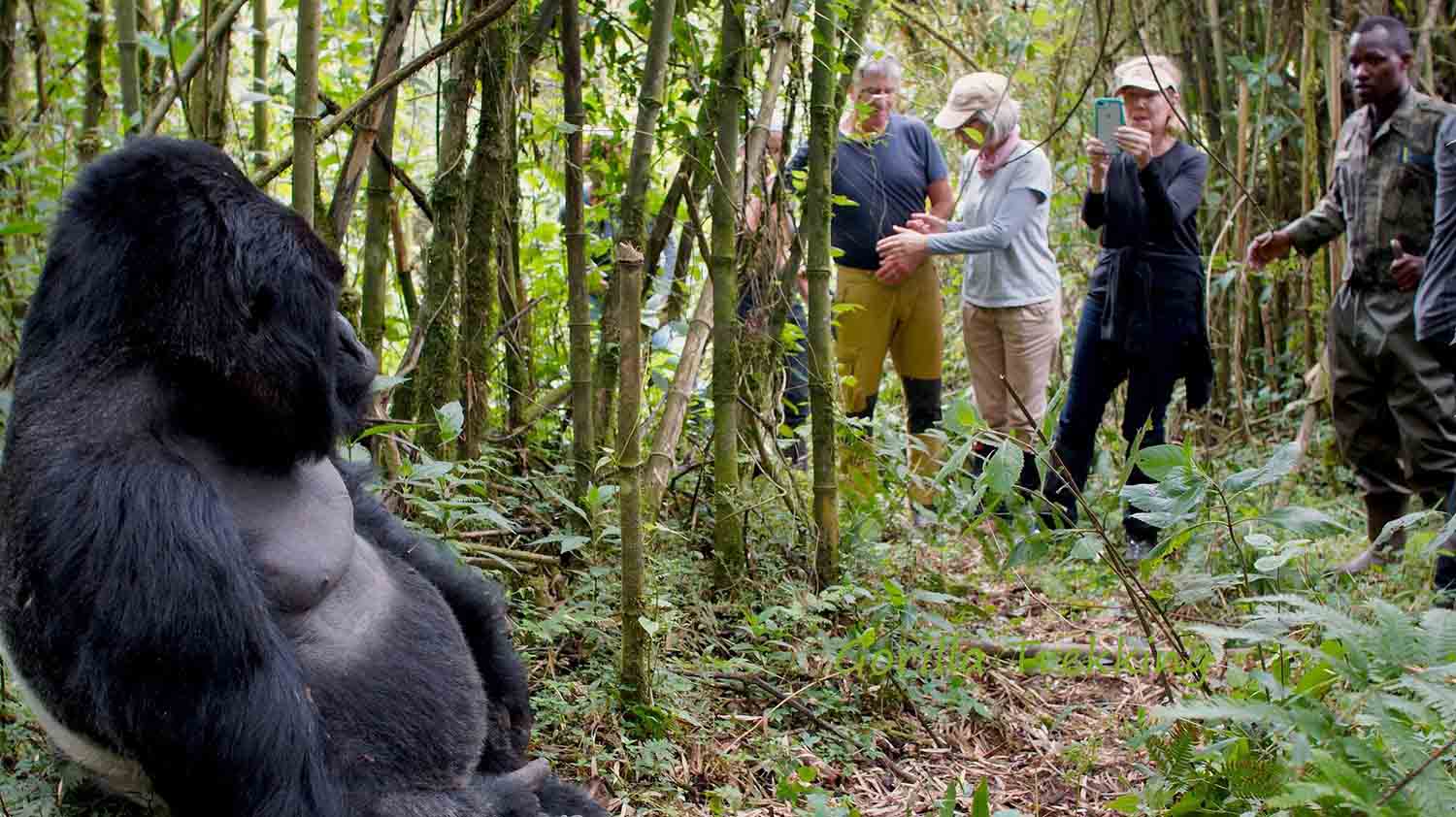
- Follow Park Rules: Maintain a 7m distance from gorillas, avoid eating/drinking near them, and follow ranger instructions to avoid wildlife encounters (e.g., buffalo).
- Our Support: We provide pre-trip health checklists and assist with insurance recommendations.

Not Budgeting for Hidden Costs
Mistake: Underestimating expenses beyond permits ($800–$1,500) can strain budgets. Hidden costs like transport, porters, tips, and visas add up quickly.
Practical Advice:
- Permit Costs: Budget $800 (Uganda), $1,500 (Rwanda, $1,050 low season), or $450 (DRC, $250 low season).
- Transport:
- Uganda: $70–$300/day for a 4×4; domestic flights to Kihihi ($200–$400).
- Rwanda: $100–$250/day for a 4×4 from Kigali.
- Visas: $50 (Uganda/Rwanda single-entry); $100 (East African Visa for Uganda, Rwanda, Kenya); $100–$150 (DRC).
- Porters and Tips: $15–$30/porter; $5–$10/guide; $3–$5/tracker per person.
- Meals/Drinks: $10–$40/meal at budget lodges; included in luxury packages.
- Ours Budget Packages: Our 3-day tours ($1,500–$3,000 mid-range, $3,500–$6,000 luxury) cover permits, transport, lodging, and meals, minimizing surprises.
Booking with Unreliable Operators
Mistake: Choosing unverified tour operators risks fake permits, poor logistics, or cancellations. Scams offering “cheap” permits ($300–$500) are common.
Practical Advice:
- Verify Credentials: Book with AUTO-members like Hail Tours, licensed by UWA and RDB. Check reviews on TripAdvisor or SafariBookings.
- Avoid Cash Payments: Use bank transfers or escrow services for security. We accept payments via KCB/Equity Bank or Escrow Kenya.
- Request Documentation: Ensure operators provide scanned permit receipts and detailed itineraries.
- Our Guarantee: We secure permits directly from UWA/RDB, provide transparent pricing, and offer 24/7 support .
Ignoring Park Rules and Etiquette
Disregarding park regulations (e.g., using flash photography, approaching gorillas too closely) can disrupt the experience or harm gorillas, leading to ejection from the trek.
Practical Advice:
- Attend Briefings: Arrive at park headquarters by 7:00 a.m. for mandatory briefings on rules (no eating/drinking near gorillas, 7m distance, no touching).
- Photography: Use a camera with a zoom lens (no flash) to capture clear images from a safe distance.
- Stay Quiet: Speak softly and avoid sudden movements to keep gorillas calm.
- Hail Tour’s Prep: Our guides brief you on etiquette and ensure compliance during treks.
Not Combining with Other Activities
Focusing solely on gorilla trekking misses opportunities to enhance your safari with complementary experiences, reducing the trip’s overall value.
Practical Advice:
- Add Activities:
- Uganda: Chimpanzee trekking in Kibale ($200/permit), game drives in Queen Elizabeth National Park ($40–$150), or Batwa cultural tours ($30).
- Rwanda: Golden monkey trekking in Volcanoes ($100) or game drives in Akagera ($40–$100).
- DRC: Mount Nyiragongo volcano hike ($300–$400).
- Our Itineraries: Our 5-day packages ($2,500–$6,000) combine gorilla trekking with chimpanzee tracking, safaris, and cultural visits for a holistic experience.
Overlooking Security in the DRC
Trekking in Virunga National Park without checking security risks can be dangerous due to regional instability.
Practical Advice:
- Check Advisories: Review US/UK travel warnings for eastern DRC before booking.
- Use Reputable Operators: We partner with Virunga’s official channels and provide armed escorts if needed.
- Alternatives: Opt for Uganda or Rwanda for safer experiences unless you’re an experienced traveler.
- Our Expertise: We monitor DRC security and recommend Uganda/Rwanda for first-timers.
Practical Tips for First-Time Trekkers
- Start Early: Arrive at the park by 6:30 a.m. to avoid delays. We arrange transport to ensure punctuality.
- Stay Hydrated: Bring 2L of water and energy snacks (e.g., nuts, granola bars) for treks lasting 2–9 hours.
- Respect Rangers: Follow ranger instructions for safety and gorilla protection.
- Document Requirements: Carry your passport and permit receipt to park gates.
- Travel Insurance: Cover cancellations, medical emergencies, and trekking risks ($50–$150).
- Group Dynamics: Treks involve 8 people per gorilla family. Be courteous and stay with your group.
- Post-Trek Plans: Rest after the trek; avoid scheduling long drives the same day.
In conclusion, avoiding common mistakes on a gorilla trekking safari ensures a rewarding experience in Uganda, Rwanda, or the DRC.
Book permits 6–12 months early, prepare for physical demands, pack waterproof gear, choose lodging near your trekking sector, and follow health, safety, and park rules. Budget for hidden costs ($15–$400 for porters, tips, transport) and work with a reputable operator like Hail Tours to avoid scams and logistical errors.
First-time trekkers should combine trekking with activities like chimpanzee tracking or game drives for a richer adventure. With our expertise, ethical focus, and tailored packages ($1,500–$6,000), we make your 2025 gorilla trek unforgettable. Contact us to plan your safari today.