Where to See Rhinos in Kenya: Your Complete 2026 Guide
Where to see rhinos in Kenya: Kenya stands as one of Africa’s premier destinations for rhino safaris, offering exceptional opportunities to observe both black and white rhinos in protected sanctuaries and national parks.
With robust conservation programs, the country has become a global leader in protecting these critically endangered animals. Whether you seek the rare northern white rhinos or reliable sightings of eastern black and southern white rhinos, Kenya delivers memorable experiences.
Why Kenya Excels for Rhino Viewing
Kenya’s rhino population has rebounded thanks to dedicated sanctuaries, intensive anti-poaching efforts, and community involvement. The country hosts over 1,000 rhinos, primarily eastern black rhinos (Diceros bicornis michaeli) and southern white rhinos (Ceratotherium simum simum).
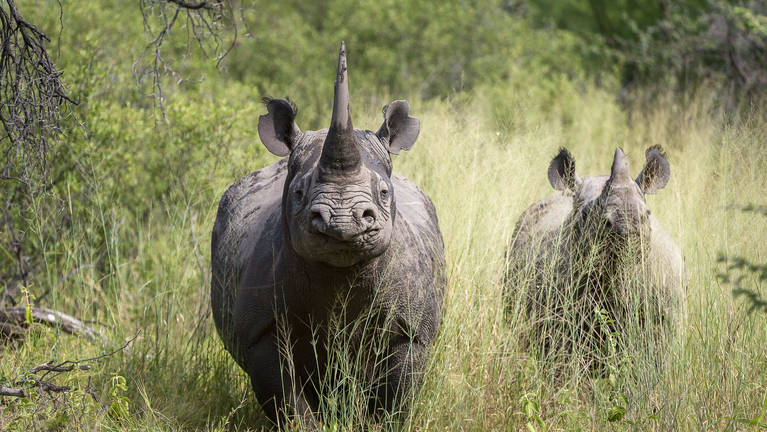
Black rhinos are browsers with hooked lips, preferring dense bush, while white rhinos are grazers often seen in open grasslands.
Rhino viewing here emphasizes responsible tourism: sightings occur from vehicles, with strict rules against disturbing the animals. Many conservancies allow guided walking or tracking experiences under expert supervision, combining adventure with education on conservation challenges like poaching and habitat loss.
Top Places to See Rhinos in Kenya
1. Ol Pejeta Conservancy (Laikipia Plateau)
Ol Pejeta is East Africa’s largest black rhino sanctuary and the undisputed highlight for rhino enthusiasts. Located at the foothills of Mount Kenya, this 360 km² conservancy protects over 165 eastern black rhinos and around 44 southern white rhinos.
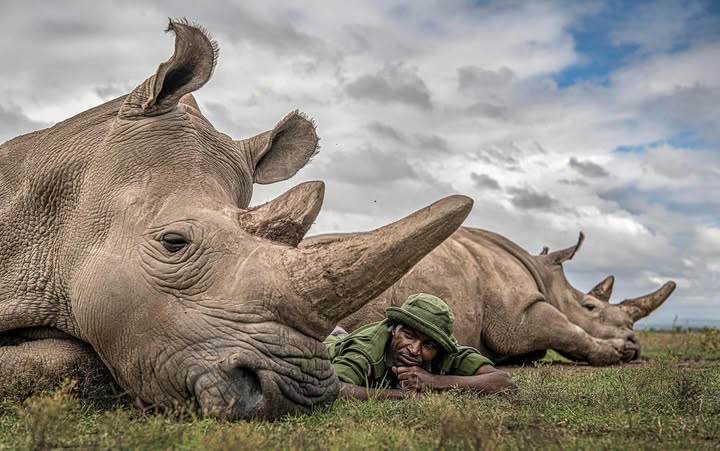
Its greatest draw: Najin and Fatu, the world’s last two remaining northern white rhinos. These females live under 24-hour armed protection. Visitors can meet them during special tours, learning about groundbreaking IVF efforts to save the subspecies.
Game drives here offer high rhino sighting success. The mix of acacia woodland, grasslands, and swamps supports excellent wildlife viewing, including the Big Five.
Ol Pejeta also features a chimpanzee sanctuary, adding unique appeal. Best time: Dry seasons (June–September, December–March) for better visibility and easier tracking.
2. Lake Nakuru National Park
This scenic Rift Valley park is one of Kenya’s most reliable rhino destinations. As the country’s first rhino sanctuary, it hosts over 150 rhinos — roughly 80% southern white and 20% eastern black.
The park’s alkaline lake attracts flamingos, while surrounding grasslands and woodlands provide ideal rhino habitat. White rhinos are frequently spotted grazing near the lakeshore, often at close range.
Black rhinos prefer the bushier areas. The combination of rhinos, birds, and dramatic escarpment views makes Lake Nakuru a favorite for multi-day itineraries.
3. Lewa Wildlife Conservancy
Lewa, in northern Kenya, pioneered rhino conservation with a sanctuary established in 1983. It now supports around 169 rhinos, representing a significant portion of Kenya’s total population.
Famous for its black rhino breeding success and high-end lodges, Lewa offers intimate safari experiences. The open landscapes of the Laikipia region make sightings rewarding, especially during game drives and walking safaris. Lewa also hosts Grevy’s zebras and supports community projects.
4. Nairobi National Park
For travelers with limited time, Nairobi National Park delivers convenient rhino viewing just minutes from the capital. This urban-edge park maintains healthy populations of both black and white rhinos, often with the city skyline in the background — a unique photographic opportunity.
Short game drives or half-day tours yield strong rhino sightings alongside lions, giraffes, and cheetahs. It’s ideal for first-time visitors or city-based extensions.
5. Meru National Park
Meru’s 48 km² rhino sanctuary has successfully rebuilt populations after historical losses. It currently houses around 45 black rhinos and 55–100 white rhinos.
The park’s lush vegetation, rivers, and swamps create a pristine habitat. Rhino sightings here feel wild and exclusive due to lower visitor numbers. Meru also offers excellent elephant and big cat viewing.
Emerging Destinations
- Tsavo West National Park (Ngunia & expanded sanctuary): Kenya recently unveiled one of the world’s largest rhino sanctuaries here, aiming to support hundreds of black rhinos across thousands of square kilometers.
- Sera Rhino Sanctuary (Samburu region): A community-managed sanctuary allowing on-foot rhino tracking — a thrilling, low-impact experience.
Best Time to Visit for Rhino Safaris
Dry seasons provide optimal conditions: animals congregate near water sources, vegetation is thinner, and roads are more accessible. June to October and December to March are peak periods. Wet seasons (April–May, November) offer lush scenery and fewer crowds but can make some tracks challenging.
Practical Tips for Rhino Safaris in Kenya
- Choose Reputable Operators: Book with licensed guides who follow ethical wildlife viewing practices. Private conservancies often provide better rhino access than public parks.
- What to Expect: Rhinos have poor eyesight but excellent hearing and smell. Stay quiet, avoid sudden movements, and never exit vehicles without permission.
- Photography: Bring zoom lenses (200mm+). Early morning and late afternoon light yield the best shots.
- Health & Safety: Follow standard safari precautions. Malaria prophylaxis, insect repellent, and travel insurance are essential.
- Conservation Contribution: Your visit directly funds anti-poaching, habitat protection, and community development. Many camps include rhino tracking or educational talks.
Conservation Success and Challenges
Kenya’s rhino numbers have grown from critically low figures in the 1980s–90s through translocations, sanctuaries, and technology like GPS tracking and notching. Programs at Ol Pejeta, Lewa, and Lake Nakuru demonstrate how targeted protection works.
Yet challenges remain: poaching for horns, habitat pressure, and climate impacts. Supporting these areas helps ensure rhinos thrive for future generations.
Planning Your Rhino Safari
A classic 7–10 day itinerary might combine Ol Pejeta or Lewa with Lake Nakuru N.P and Nairobi National Park. For a deeper experience, focus on Laikipia conservancies. Luxury tented camps, eco-lodges, and bush homes cater to all budgets and preferences.
Kenya offers more than just sightings — it provides meaningful connections to these ancient creatures and the dedicated people protecting them. From the last northern white rhinos at Ol Pejeta to reliable encounters at Lake Nakuru, your rhino safari will be both thrilling and impactful.
Contact us today to start planning and contribute to Kenya’s vital conservation story!