Gorilla Trekking Tips in Africa; 2026 Uganda, Rwanda & Congo
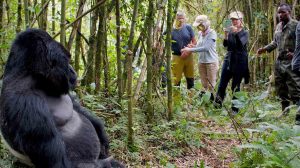
Gorilla Trekking Tips: Gorilla trekking in Africa remains one of the most profound wildlife adventures on the planet. Standing just meters from a massive silverback gorilla and his family in the misty forests of Uganda, Rwanda, or the Democratic Republic of Congo (DRC) creates memories that last a lifetime.
Yet the experience demands careful preparation to ensure safety, comfort, and minimal impact on these endangered primates.
Whether you choose the dense rainforests of Bwindi Impenetrable National Park in Uganda, the volcanic slopes of Volcanoes National Park in Rwanda, or the remote Virunga forests in Congo, these gorilla trekking tips will help you maximize enjoyment while supporting conservation.
Below are the Gorilla Trekking Tips;
Choosing the Right Destination for Gorilla Trekking
Selecting between Uganda, Rwanda, and Congo depends on your budget, fitness level, desired experience, and travel style.
Uganda (Bwindi & Mgahinga) offers excellent value with permits at $800 for foreign non-residents (standard trekking) and up to 168 permits daily across multiple sectors. Bwindi provides more habituated families and varied terrain, while the exclusive Gorilla Habituation Experience ($1,500) lets you spend four hours with a semi-habituated group. Treks feel raw and immersive in thick jungle.
Rwanda (Volcanoes National Park) delivers a more polished, accessible experience with stunning volcanic scenery. Permits cost $1,500 (with occasional multi-park discounts around $1,050).
Only 96 permits are issued daily, making it more exclusive but easier to reach from Kigali. The infrastructure and luxury lodges appeal to those seeking comfort alongside adventure.
Congo (Virunga National Park) features some of the largest gorilla groups but involves greater logistical challenges and safety considerations due to regional dynamics. Permits are generally lower-cost but availability and access fluctuate.
Pro tip: Many travelers combine Uganda and Rwanda for two contrasting treks — affordable adventure in Uganda paired with premium scenery in Rwanda. Congo suits intrepid explorers willing to accept higher uncertainty.
Securing Gorilla Trekking Permits in Advance
Permits are strictly limited to protect gorillas from stress and disease transmission:
- Uganda: ~152–168 permits daily (Bwindi dominant)
- Rwanda: 96 permits daily
- Each group: Maximum 8 visitors
Book 6–12 months ahead for peak dry seasons (June–September and December–February). Last-minute availability is rare, especially for popular sectors or dates.
Licensed tour operators often secure permits more reliably than direct booking and bundle them with transport, lodging, and guides.
2026 Permit Prices (approximate):
- Uganda standard: $800 (non-resident), $700 (foreign resident)
- Rwanda standard: $1,500
- Habituation (Uganda only): $1,500
Always confirm current rates, as minor adjustments can occur. Minimum age is 15 years due to health and physical demands.
Physical Fitness Preparation for Gorilla Trekking
Mountain gorillas inhabit altitudes of 2,500–4,000+ meters with steep, muddy, nettle-filled terrain. Treks range from 2–8+ hours round-trip depending on the group’s location that day.
How to prepare:
- Start cardio and leg-strength training 4–8 weeks prior (hiking, stairs, swimming).
- Practice with a daypack to simulate conditions.
- Focus on endurance rather than speed — slow, steady pacing matters most.
Even fit travelers benefit from hiring a porter ($15–25/day). Porters carry your bag, provide trail assistance, and directly support local communities, many of whom transitioned from poaching to tourism jobs. Good fitness reduces fatigue and lets you fully enjoy the one-hour gorilla encounter.
What to Pack: Essential Gear for Gorilla Trekking
Proper packing ensures comfort in unpredictable rainforest conditions.
Must-have items:
- Sturdy, waterproof ankle-high hiking boots with good grip
- Long-sleeved shirts and long trousers (neutral colors to avoid startling gorillas; quick-dry fabrics)
- Lightweight rain jacket or poncho
- Gardening gloves or gaiters for stinging nettles and insects
- Wide-brimmed hat and sunglasses
- Small daypack for water, snacks, camera, and rain cover
- Reusable water bottle (at least 2 liters)
- Energy snacks (nuts, energy bars) and packed lunch if needed
- Binoculars, camera (no flash), extra batteries/memory cards
- Walking stick (often available at park headquarters)
- Insect repellent, sunscreen, and basic first-aid (blister plasters, pain relief)
Dress in layers — mornings at altitude are cold and damp, while afternoons can warm up. Avoid bright colors and strong scents. Waterproof bags protect electronics and documents.
Best Time for Gorilla Trekking in Uganda, Rwanda & Congo
Gorilla trekking operates year-round, but conditions vary significantly.
Dry seasons (recommended): June to September (long dry) and December to February (short dry). Trails are less muddy, visibility improves, and trekking feels more comfortable. These periods coincide with peak demand, so book early.
Wet seasons (March–May, October–November): Lush greenery and fewer crowds, but slippery trails, heavier rain, and potential for longer, more challenging hikes. Some operators offer lower rates or availability during shoulder months.
Weather remains unpredictable in tropical forests — always prepare for rain regardless of season. Dry months generally deliver the most enjoyable and photogenic experiences.
What to Expect: Trek Duration and the Experience
After an early morning briefing at park headquarters, your assigned group of up to 8 sets off with experienced guides and trackers. The search can take 30 minutes to several hours as rangers locate the habituated family using overnight nesting signs.
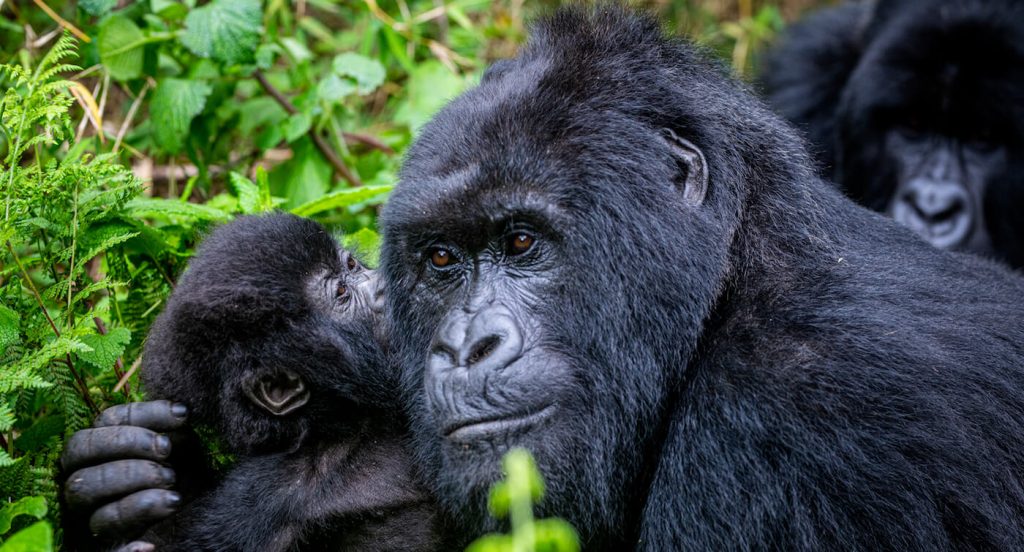
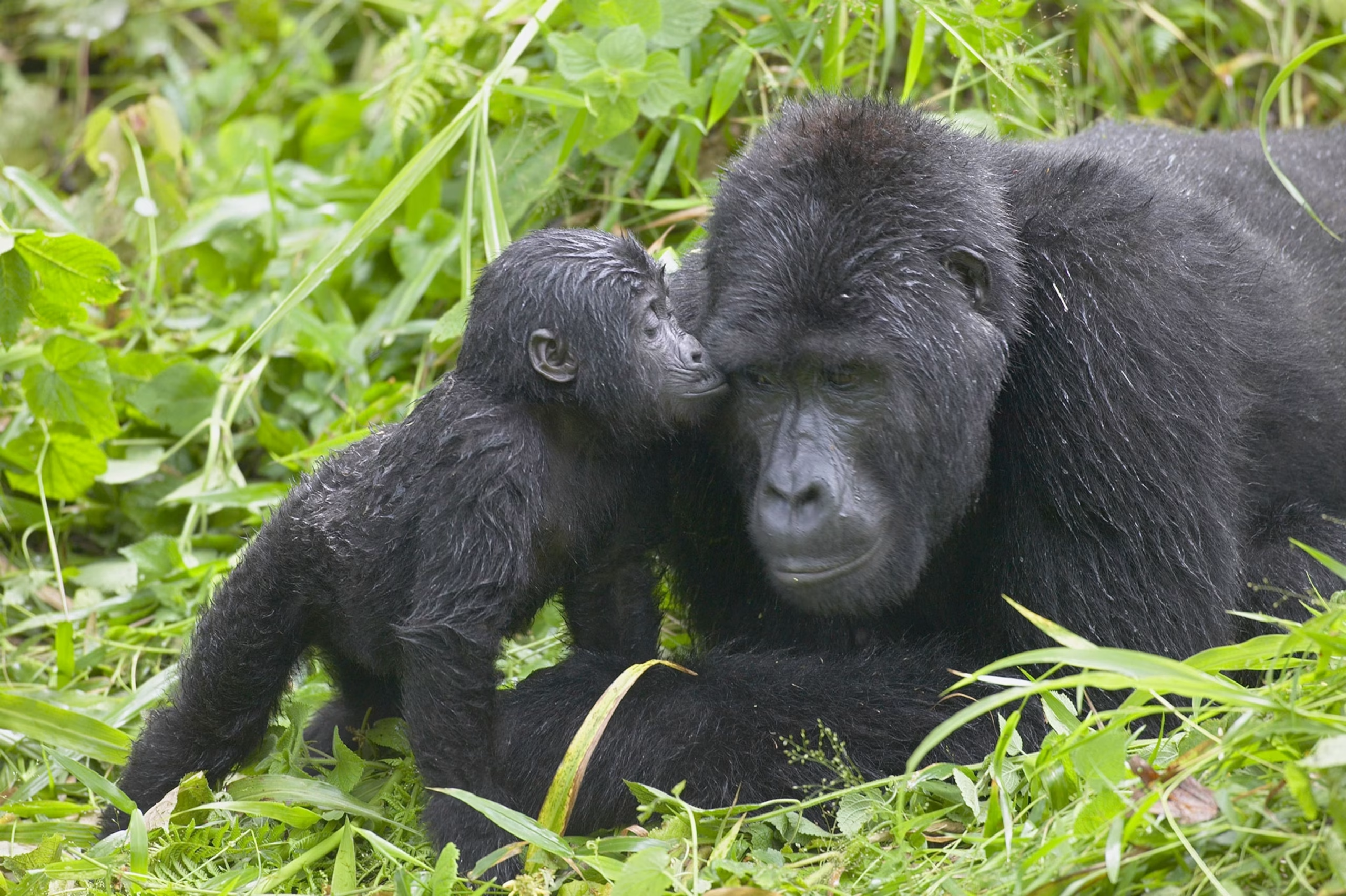
Once found, you spend one magical hour observing the gorillas (four hours for habituation experiences). Watch silverbacks display, mothers care for infants, and playful juveniles interact — all while maintaining distance.
The return hike completes the day. Expect variable conditions: dense bamboo, vines, steep slopes, and occasional wildlife sightings. The emotional reward of locking eyes with a gentle giant outweighs any physical effort.
Gorilla Trekking Rules and Etiquette
Strict rules protect both visitors and gorillas, who share ~98% of our DNA and are vulnerable to human diseases.
Key guidelines:
- Maintain a minimum 7–10 meter distance at all times
- No flash photography; speak quietly and avoid sudden movements
- Do not eat, drink, smoke, or use the bathroom near gorillas
- If a gorilla approaches, crouch slowly and look down — do not run
- No touching or feeding
- Carry out all trash; no littering
- If you feel unwell (cold, flu symptoms), inform staff — you may be excluded to protect the gorillas
- Follow guide instructions exactly for safety
These etiquette standards minimize stress and disease risk while ensuring a respectful encounter.
Health, Medications, and Safety Preparations
- Obtain required vaccinations (including Yellow Fever where mandated) and carry proof.
- Pack personal medications plus anti-malarials, anti-diarrheal, allergy relief, and painkillers.
- Stay hydrated and eat a good breakfast before the trek.
- Inform guides of any medical conditions.
- Travel insurance covering medical evacuation and trip cancellation (including permit refunds) is essential.
Guides carry basic first aid, but self-preparation prevents minor issues from spoiling the day.
Staying Hydrated, Nourished, and Weather-Ready
Forests lack shops, so carry sufficient water (2+ liters) and high-energy snacks. A hearty breakfast fuels the morning; light snacks sustain you during the trek.
Weather shifts quickly — cold misty mornings turn warm or rainy. Layer clothing and use waterproof covers for gear. A rain jacket and dry bags protect essentials. Hiring a porter lightens your load so you focus on the experience rather than struggling with heavy bags.
Supporting Local Communities and Conservation
Hiring porters and tipping guides/trackers (recommended $10–20+) provides direct income to families living near the parks. Many former poachers now earn sustainably through tourism.
Every permit contributes to anti-poaching patrols, veterinary care, habitat protection, and community projects like schools and health clinics. Responsible trekking has helped mountain gorilla numbers recover from ~250 in the 1980s to over 1,000 today.
Additional Advanced Tips for a Successful Trek
- Arrive early for the briefing to reduce stress.
- Choose trekking sectors based on fitness (some Bwindi sectors offer relatively gentler options).
- Consider combining with chimpanzee trekking or golden monkey visits for a fuller primate safari.
- Respect cultural norms in surrounding communities.
- Limit group noise throughout the day to avoid disturbing wildlife.
For Congo treks, verify current security advisories and work with experienced operators.
FAQ – Gorilla Trekking Tips
What is the best time for gorilla trekking in Uganda and Rwanda?
Dry seasons from June to September and December to February offer the most comfortable conditions with drier trails.
How physically demanding is gorilla trekking?
Treks range from moderate to strenuous depending on the day’s gorilla location. Good fitness and a porter make it accessible for most healthy adults over 15.
What should I wear for gorilla trekking?
Long sleeves/trousers, sturdy waterproof boots, rain jacket, gloves/gaiters, and neutral colors.
Can I take photos during the gorilla encounter?
Yes — without flash and while maintaining distance. Prioritize enjoying the moment over constant photography.
Is it worth hiring a porter?
Highly recommended. Porters ease the physical load and provide valuable local support.
Ready to Book Your Gorilla Trekking Adventure?
Applying these gorilla trekking tips will help you prepare for a safe, respectful, and deeply rewarding experience. Whether trekking in Bwindi’s ancient forest, Rwanda’s volcanic slopes, or planning a multi-country primate safari, the key is early planning and responsible travel.
Book your gorilla trekking safari with trusted operators who secure permits, provide expert guides, and prioritize conservation. Hail Tours Uganda specializes in tailored Uganda and Rwanda gorilla packages, including habituation experiences, comfortable lodges, and seamless logistics.
Contact us today to plan your 2026 gorilla trekking adventure in Africa. Support local communities and gorilla conservation while creating memories you’ll cherish forever. Safe travels and responsible wildlife encounters!