
Guide to Top 10 Best National Parks in Kenya & Their Location
Best National Parks in Kenya: Discover the best national parks in Kenya, from the iconic Masai Mara to Amboseli and Tsavo. Explore top safari destinations, wildlife encounters, and travel tips.
Kenya, the heartbeat of East African safari adventures, is a land where vast savannahs, towering mountains, and shimmering lakes create a playground for some of the world’s most iconic wildlife.
With over 50 protected areas, including 23 national parks and numerous reserves, Kenya offers unparalleled opportunities to witness the Big Five—lion, leopard, elephant, buffalo, and rhino—alongside vibrant birdlife, dramatic landscapes, and rich cultural experiences.
For wildlife enthusiasts, adventure seekers, and nature lovers, exploring the best national parks in Kenya is a bucket-list journey that promises breathtaking encounters and unforgettable memories.

What is the best national park in Kenya?
Masai Mara National Reserve: The Crown Jewel of Kenyan Safaris
Location: Narok County, southwest Kenya, bordering Tanzania’s Serengeti
Why Visit: Home to the Great Wildebeest Migration, Big Five, and vibrant Maasai culture
Entry Fee for a non-resident adult is USD 200 per day, while children (9-17) pay USD 50, with free entry for children under 9 years old, valid from July 1st to December 31st. For the period of January 1st to June 30th, the fee is USD 100 per adult and USD 50 per child.
Best Time to Visit: July–October (Great Migration), January–February (dry season)
The Masai Mara National Reserve, often simply called “the Mara,” is Kenya’s most famous national park, and for good reason. Spanning 1,510 km², this iconic reserve is renowned for the Great Wildebeest Migration, where over 1.5 million wildebeest, zebras, and antelopes thunder across the Mara River from Tanzania’s Serengeti between July and October, braving crocodile-infested waters and predatory lions.
This natural spectacle, one of the Seven Wonders of the Natural World, draws travelers from across the globe. But the Mara’s appeal extends beyond the migration.
Its open grasslands, acacia-dotted savannahs, and riverine forests teem with wildlife, including the Big Five, cheetahs, hyenas, and over 500 bird species.
Game drives in the Mara Triangle, a well-managed section of the reserve, offer prime sightings of lions, leopards, and cheetahs, thanks to excellent roads and armed ranger patrols.
Cultural visits to Maasai villages provide a glimpse into the semi-nomadic Maasai’s traditions, with their vibrant red robes, intricate beadwork, and warrior dances.
For a truly unforgettable experience, book a hot air balloon safari at dawn, soaring over the savannah for aerial views of migrating herds and a champagne breakfast on the plains.
With limited lodge availability during peak migration season, early booking is essential. Secure your spot now for an exclusive Mara adventure
Top Activities: Game drives, hot air balloon safaris, Maasai cultural tours, birdwatching
Where to Stay: Elewana Sand River Maasai Mara, Mara Serena Safari Lodge, or budget-friendly campsites
Pro Tip: Visit private conservancies like Mara Naboisho for exclusive, crowd-free game drives and unique activities like night safaris and bush walks. Learn more
Amboseli National Park: Elephant Paradise Under Kilimanjaro
Location: Kajiado County, southern Kenya, near Tanzania
Why Visit: Massive elephant herds, stunning Mount Kilimanjaro views, diverse ecosystems
Entry Fee (Non-Residents): $60 per person per day
Best Time to Visit: June–October, January–February
Nestled at the foot of Africa’s highest peak, Mount Kilimanjaro, Amboseli National Park (392 km²) is a photographer’s dream and a haven for elephant lovers.
Renowned for its large herds of free-ranging African bush elephants—over 900 individuals, including 58 family groups and 300 adult males—Amboseli offers some of the best elephant sightings in the world.
The park’s diverse ecosystems, from golden grasslands to swampy springs and a seasonal lake, support a rich array of wildlife, including leopards, cheetahs, giraffes, lions, and over 400 bird species like pelicans and kingfishers.
The snow-capped Kilimanjaro, just across the border in Tanzania, provides a breathtaking backdrop for game drives, especially at dawn and dusk when the light bathes the savannah in golden hues.
Visit Observation Hill for panoramic views or meet the Maasai community to learn about their harmonious coexistence with wildlife.
Amboseli’s accessibility (260 km from Nairobi) and compact size make it ideal for short safaris. Don’t miss out—book your Amboseli adventure today for an elephant encounter you’ll never forget
Top Activities: Game drives, birdwatching, Maasai cultural visits, hiking at Observation Hill
Where to Stay: Ol Tukai Lodge, Amboseli Serena Lodge, or Angama Amboseli (opening November 2025)
Pro Tip: Opt for a sunrise game drive for the best views of Kilimanjaro and active wildlife. Learn more
Nairobi National Park: Wildlife at the City’s Edge
Location: Just 7 km from Nairobi’s city center
Why Visit: Urban-adjacent safari, black rhino sanctuary, diverse wildlife
Entry Fee (Non-Residents): $46 per person per day
Best Time to Visit: Year-round, best July–October
Nairobi National Park, Kenya’s first national park established in 1946, is a remarkable anomaly—a wildlife sanctuary where lions roar and rhinos roam against the backdrop of Nairobi’s skyscrapers.
Covering 117 km², this park is a haven for over 100 mammal species, including four of the Big Five (no elephants), and 400 bird species.
It’s one of Kenya’s most successful black rhino sanctuaries, making it a must-visit for rhino enthusiasts. Zebras, giraffes, cheetahs, and leopards thrive in its grasslands, acacia bushlands, and wetlands, offering a compact yet thrilling safari experience.
Its proximity to Nairobi makes it perfect for day trips or short layovers (minimum 6 hours recommended).
Walking trails and game drives provide intimate wildlife encounters, while the park’s conservation efforts, including anti-poaching patrols, highlight its importance amid urban encroachment. Book now for a unique urban safari that blends wild beauty with city convenience
Top Activities: Game drives, walking trails, birdwatching, visiting the David Sheldrick Wildlife Trust elephant orphanage
Where to Stay: Nairobi Tented Camp, Ololo Lodge, or nearby Nairobi hotels
Pro Tip: Book tickets via the Kenya Wildlife Service website to skip entry queues and bring binoculars for spotting smaller species.
Lake Nakuru National Park: Flamingo Haven in the Rift Valley
Location: Nakuru County, Great Rift Valley
Why Visit: Flamingo-lined lake, rhino conservation, diverse birdlife
Entry Fee (Non-Residents): $60 per person per day
Best Time to Visit: July–October, January–February
Lake Nakuru National Park (188 km²) is a visual masterpiece, famous for its shimmering pink shores created by thousands of lesser and greater flamingos feeding on the lake’s algae-rich waters.
Located in the Great Rift Valley, the park’s soda lake, grasslands, and acacia woodlands support both black and white rhinos, Rothschild’s giraffes, lions, and over 400 bird species, including African fish eagles and pelicans.
Its status as Kenya’s first rhino sanctuary underscores its conservation significance, with nearly 100 endangered rhinos protected here.
The park’s compact size ensures excellent game viewing, with rocky outcrops offering stunning vantage points for photography.
Recent years have seen flamingos return in larger numbers, making it a must-visit for birdwatchers. Combine your visit with nearby Lake Naivasha for boat safaris. Secure your spot for this vibrant safari experience today
Top Activities: Game drives, birdwatching, picnicking, camping
Where to Stay: The Cliff Tented Camp, Lake Nakuru Lodge
Pro Tip: Arrive early for morning game drives to capture the best light and flamingo activity.
Tsavo National Park (East and West): Kenya’s Largest Wilderness
This is the largest national park in Kenya.
Location: Taita-Taveta County, southeast Kenya
Why Visit: Vast landscapes, red elephants, Big Five, unique geological features
Entry Fee (Non-Residents): $52 per person per day
Best Time to Visit: May–October
Tsavo National Park, split into Tsavo East and Tsavo West, is Kenya’s largest protected area, covering nearly 22,000 km².
Tsavo East’s semi-arid plains and the Galana River are home to red-dusted elephants, lions, leopards, and over 500 bird species.
Its Yatta Plateau, the world’s longest lava flow at 300 km, adds a dramatic geological element. Tsavo West, with its lush hills, Mzima Springs, and Shetani lava flows, offers a more verdant landscape where visitors can watch hippos and crocodiles through an underwater glass tank.
Both parks host the Big Five, though sightings require patience due to the vast terrain. Tsavo’s wild, untamed feel and historical significance, including the infamous “man-eating” lions of the 1890s, make it a thrilling destination. Book your Tsavo safari now for an epic adventure in Kenya’s wild heart
Top Activities: Game drives, walking safaris (Tsavo East), camping, visiting Mzima Springs
Where to Stay: Voi Wildlife Lodge (Tsavo East), Kilaguni Serena Safari Lodge (Tsavo West)
Pro Tip: Camp by the Galana River in Tsavo East for a serene, wildlife-rich experience.
Aberdare National Park: Waterfalls and Rare Wildlife
Location: Central Kenya, Aberdare Mountain Range
Why Visit: Lush forests, waterfalls, rare bongo antelope, hiking opportunities
Entry Fee (Non-Residents): $52 per person per day
Best Time to Visit: June–September, January–February
Aberdare National Park (767 km²), nestled in the Aberdare Mountain Range, is a haven of lush rainforests, bamboo groves, and misty moorlands.
Famous for its waterfalls, like Thompson Falls, and rare species such as the bongo antelope and black leopard, the park also hosts elephants, black rhinos, and over 250 bird species.
Its cool climate and diverse terrain make it a hiker’s paradise, with trails to peaks like Ol Donyo Lesatima (3,999 m) offering panoramic views.
The park’s historical significance, including Queen Elizabeth II’s ascension at Treetops Lodge, adds cultural allure. Activities like trout fishing, horse riding, and camping enhance the adventure. Book now to explore this verdant gem
Top Activities: Hiking, game drives, birdwatching, camping, visiting Treetops Lodge
Where to Stay: The Ark Lodge, Treetops Lodge
Pro Tip: Pack warm clothing for the chilly high-altitude climate and sturdy boots for hiking.
Samburu National Reserve: The Special Five in Northern Kenya
Location: Samburu County, northern Kenya
Why Visit: Unique “Special Five” wildlife, Samburu culture, less crowded
Entry Fee (Non-Residents): $70 per person per day
Best Time to Visit: June–October
Samburu National Reserve (165 km²), set along the Ewaso Ng’iro River, offers a remote and authentic safari experience. Known for its “Special Five”—Grevy’s zebra, reticulated giraffe, Somali ostrich, gerenuk, and Beisa oryx—this park showcases species not found in southern Kenya.
Its arid landscapes contrast with riverine forests, supporting leopards, elephants, and over 450 bird species.
Samburu’s cultural richness, with opportunities to engage with the Samburu and Rendille communities, adds depth to your visit. Camel trekking and guided safaris enhance the adventure. Book now for an exclusive northern safari
Top Activities: Game drives, camel trekking, cultural visits, birdwatching
Where to Stay: Samburu Sopa Lodge, Elephant Bedroom Camp
Pro Tip: Visit during the dry season for better wildlife sightings near the river.
Mount Kenya National Park: Africa’s Second-Highest Peak
Location: Central Kenya, near Nanyuki
Why Visit: UNESCO World Heritage Site, hiking, diverse ecosystems
Entry Fee (Non-Residents): $43 per person per day
Best Time to Visit: January–February, July–October
Mount Kenya National Park (715 km²), a UNESCO World Heritage Site, surrounds Africa’s second-highest peak (5,199 m).
Its Afro-Alpine forests, glaciers, and lakes create a stunning backdrop for hikers aiming for Point Lenana, the main trekking peak.
The park supports elephants, colobus monkeys, and over 130 bird species, though its dramatic landscapes are the primary draw.
Camping and rock climbing add to the adventure, with trails like the Sirmon route offering thrilling ascents. Book your Mount Kenya trek today for a high-altitude adventure
Top Activities: Hiking, camping, rock climbing, birdwatching
Where to Stay: Mountain huts, Serena Mountain Lodge
Pro Tip: Acclimatize properly and hire a guide for safe summit treks.
Hell’s Gate National Park: Dramatic Gorges and Outdoor Adventures
Location: Nakuru County, Great Rift Valley, near Lake Naivasha
Why Visit: Cycling, hiking, geothermal springs, stunning cliffs
Entry Fee (Non-Residents): $26 per person per day
Best Time to Visit: Year-round
Hell’s Gate National Park (68 km²) is a haven for adventure seekers, with its towering cliffs, deep gorges, and geothermal springs. Unlike other parks, its low predator population allows for cycling and hiking, with trails past Fischer’s Tower and Hell’s Gate Gorge. Wildlife includes giraffes, zebras, and over 100 bird species.
Its proximity to Lake Naivasha makes it ideal for day trips. Rent a bike and explore this dramatic landscape—book your adventure now
Top Activities: Cycling, hiking, rock climbing, geothermal spring visits
Where to Stay: Naivasha Sopa Lodge, nearby campsites
Pro Tip: Bring sunscreen and plenty of water for cycling excursions.
Meru National Park: A Hidden Gem of Tranquility
Location: Meru County, northern Kenya
Why Visit: Uncrowded, Big Five, “Born Free” legacy
Entry Fee (Non-Residents): $52 per person per day
Best Time to Visit: June–October
Meru National Park (870 km²) is a serene escape from Kenya’s busier parks, famous as the setting for the “Born Free” story of Elsa the lioness.
Its rivers, swamps, and savannahs support the Big Five, with excellent rhino sightings in its fenced sanctuary. Leopards are often spotted near lodges like Elsa’s Kopje.
With fewer visitors, Meru offers an intimate safari experience. Book now to discover this hidden gem
Top Activities: Game drives, birdwatching, rhino sanctuary visits
Where to Stay: Elsa’s Kopje, Lewa Safari Camp
Pro Tip: Stay overnight for a chance to spot leopards at dusk.
Ol Pejeta Conservancy
A private conservancy in Laikipia (360 km²), Ol Pejeta is East Africa’s best-managed reserve, home to the last two northern white rhinos and pioneering anti-poaching techniques.
Wildlife: Hosts all Big Five, plus African wild dogs, Grevy’s zebras, and over 300 bird species.
Activities:
- Game Drives: Night drives for nocturnal species.
- Rhino Tracking: Guided visits to the northern white rhino enclosure.
- Community Visits: Engage with local communities.
- Horseback Safaris: Unique wildlife viewing.
Best Time to Visit: July to October for dry weather; January to February for clear skies.
Accessibility: A 4-hour drive from Nairobi or a flight to Nanyuki Airstrip
Map of National Parks in Kenya
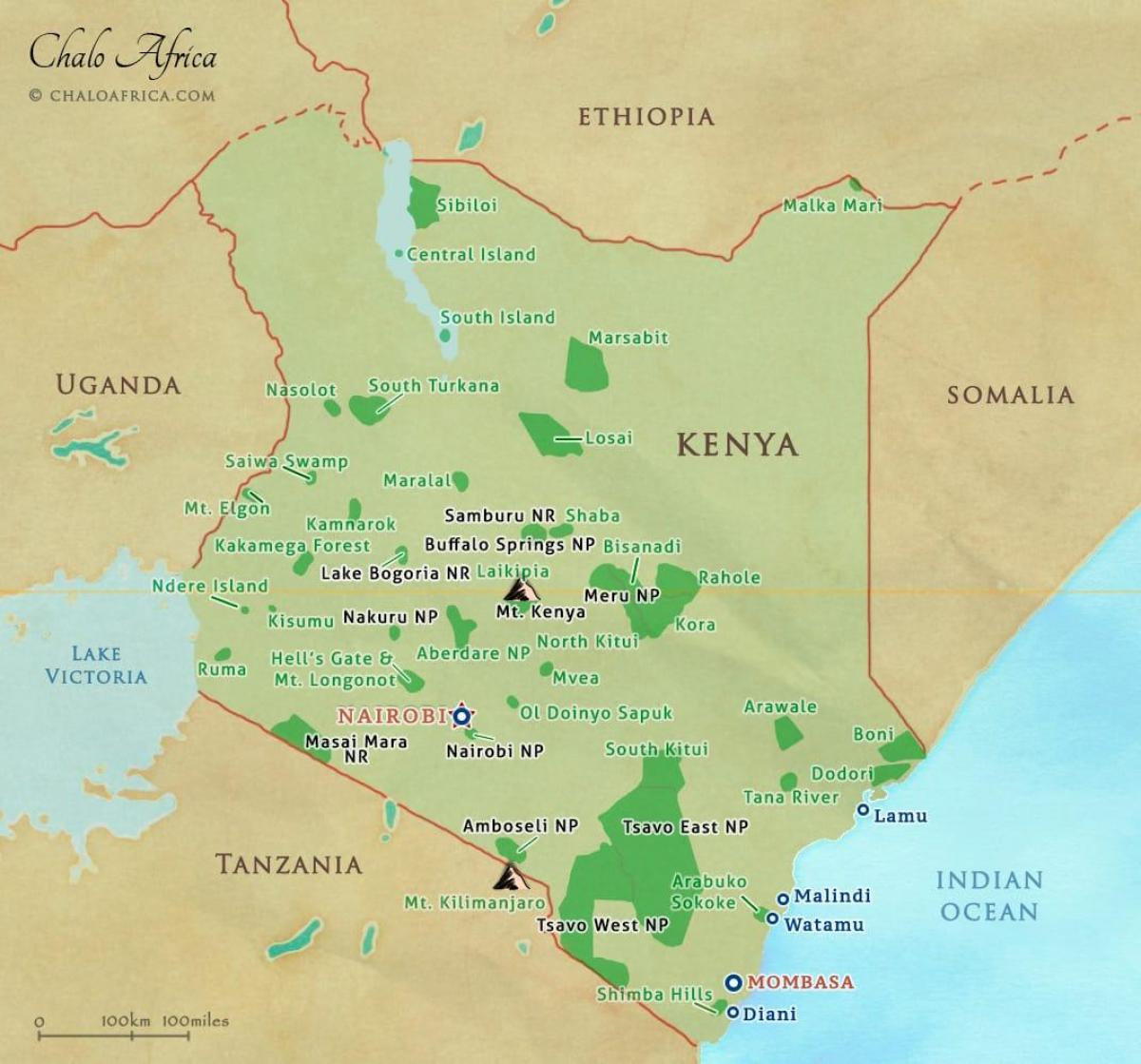
Kenya National Parks vs Game Reserves
National Parks in Kenya are strictly government-managed (KWS) with no human settlement, fixed hours, and limited activities like daytime game drives only. Game Reserves are often county or community-managed, allowing more flexibility, limited grazing, and sometimes exclusive experiences.
Game Reserves in Kenya:
Key game reserves include Masai Mara National Reserve (iconic migration), Samburu National Reserve (rare northern species like Grevy’s zebra), Buffalo Springs, Shaba, Laikipia conservancies, Lewa Wildlife Conservancy, and others like Meru and Tsavo areas offering varied wildlife and cultural encounters.
Why Choose a Kenyan Safari?
Kenya’s national parks are more than wildlife havens—they’re gateways to adventure, culture, and conservation. With over 8% of the country protected, these parks safeguard endangered species like rhinos and support local communities through tourism revenue.
Whether you’re chasing the Great Migration, photographing elephants against Kilimanjaro, or cycling through Hell’s Gate, Kenya offers diverse experiences for every traveler.
Planning Your Visit
Best Time to Visit
Kenya’s national parks are accessible year-round, but the dry seasons (July to October and January to February) offer optimal wildlife viewing due to sparse vegetation and animals gathering at water sources.
The Great Migration in Maasai Mara peaks from July to September. The rainy seasons (April to May and November) bring lush landscapes, fewer crowds, and vibrant birdlife but may involve muddy roads.
Accessibility
Most parks are accessible by road from Nairobi (2–6 hours) or by chartered flights to airstrips, ideal for time-constrained travelers. Public transport like matatus or shared taxis is budget-friendly for parks like Maasai Mara and Nairobi National Park.
Costs
- Park Entry Fees: Range from $43 (Nairobi) to $200 per person per day.
- Game Drives: $50–$150 per person, depending on the operator.
- Hot Air Balloon Safaris: $400–$600 per person in Maasai Mara or Amboseli.
- Accommodations: Budget campsites ($20–$30), midrange lodges ($80–$150), luxury camps ($150–$600).
- Flights: Domestic flights cost $100–$300 one-way.
Packing Essentials
- Clothing: Lightweight, neutral-colored clothing, long sleeves for sun protection, and a waterproof jacket for rainy seasons.
- Gear: Binoculars, a camera with a zoom lens, sunscreen, insect repellent, and a hat.
- Documents: Passport, visa (e-Visa for Kenya, $50), and park tickets (book via KWS website).
- Health: Anti-malarial medication, yellow fever vaccination (required), and travel insurance.
Safety and Health
- Follow KWS guide instructions during safaris.
- Stay in vehicles unless in designated areas (e.g., Hell’s Gate).
- Use mosquito repellent and sleep under treated nets.
- Drink bottled water and ensure food is prepared hygienically.
Conservation and Community Engagement
Kenya’s national parks are vital for conserving endangered species like black rhinos, Grevy’s zebras, and northern white rhinos. The KWS collaborates with communities to reduce human-wildlife conflict and promote sustainable tourism.
Private conservancies like Ol Pejeta and Naboisho involve local Maasai and Samburu communities, providing income through land leases and tourism jobs.
Challenges include poaching, urban encroachment (e.g., Nairobi National Park), and climate change affecting water levels (e.g., Lake Nakuru). Choosing ethical operators supports these efforts.
Combining with Other Adventures
Kenya’s national parks pair well with other activities:
- Coastal Kenya: Visit Watamu or Malindi marine parks for snorkeling and diving.
- Gorilla Trekking: Extend your trip to Uganda’s Bwindi Impenetrable Forest or Rwanda’s Volcanoes National Park.
- Cultural Tours: Explore Nairobi’s museums or Mombasa’s historical sites.
Practical Tips
- Book in Advance: Secure park tickets, flights, and accommodations early, especially for Maasai Mara during migration season.
- Choose Reputable Operators: Work with KWS-certified guides or trusted companies like Hail Tours for ethical and safe experiences.
- Budget Options: Opt for public campsites or group tours to reduce costs.
- Respect Wildlife: Maintain a safe distance and avoid feeding animals.
- Cultural Sensitivity: Dress modestly and seek permission before photographing local communities.
Why Visit Kenya’s National Parks?
Kenya’s national parks offer a blend of adventure, wildlife, and cultural immersion unmatched by few destinations.
From witnessing the Great Migration in Maasai Mara to photographing elephants against Kilimanjaro in Amboseli, these parks deliver experiences that linger long after your trip.
The diversity of landscapes—savannahs, mountains, lakes, and gorges—ensures there’s something for every traveler, whether you’re a photographer, hiker, or wildlife enthusiast.
Supporting conservation through tourism helps protect endangered species and empowers local communities, making your visit meaningful.
Book a Kenya Safari with Hail Tours Uganda
Ready to embark on the safari of a lifetime?
Kenya’s national parks are calling, and there’s no better way to explore their wild beauty than with Hail Tours Uganda.
As experts in East African adventures, we offer tailored safari packages that combine the best of Kenya’s national parks with seamless logistics, expert guides, and a commitment to sustainable tourism.
Whether you’re dreaming of spotting the Big Five in Maasai Mara, hiking Mount Kenya, or cycling through Hell’s Gate, we’ll craft an itinerary that matches your passions and budget.
Why choose Hail Tours?
- Expertise: Our local guides are KWS-certified and passionate about showcasing Kenya’s wildlife and culture.
- Customizable Tours: From luxury lodges to budget campsites, we cater to all preferences.
- Regional Expertise: Combine your Kenyan safari with rafting in Jinja, Uganda, or gorilla trekking in Rwanda for a complete East African adventure.
- Sustainability: We partner with community conservancies to ensure your trip supports conservation and local livelihoods.
- Hassle-Free Planning: We handle park permits, flights, accommodations, and transfers, so you can focus on the experience.
Don’t just dream about Kenya’s wild heart—live it!
Contact us today to book your safari. Whether it’s the thundering wildebeest of the Great Migration, the majestic elephants of Amboseli, or the serene forests of Aberdare, Hail Tours will make your journey unforgettable. Act now—your adventure in Kenya’s national parks awaits!