
Top 5 Animals in Kenya: Where to See Them, Their Pictures
Top 5 animals in kenya: Kenya is one of Africa’s top wildlife destinations, renowned for its diverse ecosystems and iconic animals. From savannahs to forests, and deserts to coastlines, Kenya offers some of the best safari experiences, drawing visitors from around the world.
The “Big Five” often comes to mind when people think of Kenyan wildlife, but the country is home to a wide variety of animals, each fascinating in its own right. In this article, we’ll explore the top 5 animals in Kenya and the best places to see them.
1. African Lion (Panthera leo)
The African lion is perhaps the most iconic symbol of African wildlife, often referred to as the “King of the Jungle” despite their preference for open grasslands and savannahs.
These are one of the dangerous animals in kenya, majestic predators, living in prides, consisting of related females, their offspring, and dominant male or males.
Lions play a critical role in maintaining the balance of their ecosystems, preying on large herbivores such as zebras, buffaloes, and antelopes.
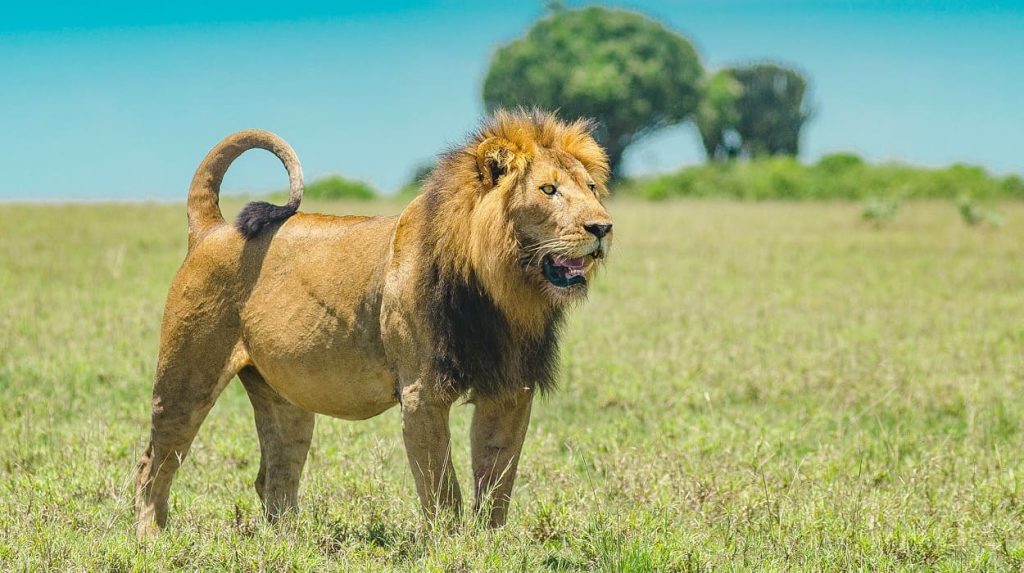
One of the most captivating aspects of observing lions is watching them in action, whether it’s a group of lionesses hunting or a male lion asserting his dominance. Their powerful roars can be heard from up to 8 kilometers away, adding to the drama of an African safari.
Where to See Them:
- Masai Mara National Reserve: The Masai Mara is arguably the best place to see lions in Kenya, especially during the Great Migration when they prey on the thousands of wildebeest and zebras crossing the Mara River. The reserve is home to large, well-known prides that often attract wildlife photographers from around the world.
- Tsavo National Park: Tsavo is another prime destination for lion sightings. It is known for its “maneless lions,” especially in the Tsavo East area. The park is vast and less crowded than the Mara, offering a more off-the-beaten-path experience.
- Amboseli National Park: Amboseli n.p, located near the Tanzania border with Mount Kilimanjaro as its backdrop, is famous for its large elephant herds but also offers opportunities to spot lions, especially near the marshes where they hunt.
2. African Elephant (Loxodonta africana)
The African elephant, the largest land mammal on Earth, is an awe-inspiring sight. Weighing up to 6 tons, these gentle giants are known for their intelligence, complex social structures, and strong family bonds.
They are herbivores, consuming vast amounts of vegetation each day, and play a critical role in shaping the ecosystems they inhabit by clearing trees and creating grasslands.
Elephants are also known for their long memory and emotional capacity, often displaying signs of mourning when a member of their herd dies. Their sheer size and presence make them one of the most sought-after animals on any Kenyan safari.

Where to See African Elephants in Kenya:
- Amboseli National Park: Amboseli is the best place in Kenya to see elephants. The park is home to hundreds of elephants, and the flat landscape and sparse vegetation make it easy to spot them. The elephants of Amboseli are also some of the most studied and protected in Africa, giving visitors a great chance to see these magnificent creatures up close.
- Tsavo National Park: Tsavo, one of Kenya’s largest parks, is home to thousands of elephants. Tsavo’s elephants are known for their red-tinted appearance, which they acquire by wallowing in the reddish soil of the park.
- Samburu National Reserve: Samburu offers a unique experience of seeing elephants in a more arid environment. The park’s riverbanks are a common gathering spot for herds, offering close-up viewing opportunities.
3. African Leopard (Panthera pardus pardus)
The African leopard is the most elusive of the “Big Five” and is known for its solitary and secretive nature. These sleek, powerful cats are excellent climbers, often seen resting in trees during the day.
Leopards are primarily nocturnal and can adapt to various habitats, from dense forests to savannahs. They are opportunistic hunters, preying on a wide range of animals, from small rodents to large antelope.

Leopards are not as easily spotted as lions or elephants, making an encounter with one all the more special. Their striking coat of black rosettes on golden fur makes them one of the most beautiful animals in Africa.
Where to See Them:
- Masai Mara National Reserve: The Mara is one of the best places to spot leopards in Kenya. While they are still elusive, the abundance of prey and the relative lack of human disturbance allow for good viewing opportunities, especially in the early morning or late afternoon.
- Laikipia Plateau: The private conservancies in the Laikipia region are prime leopard country. These protected areas have fewer tourists, which increases the chances of encountering leopards on game drives.
- Samburu National Reserve: Samburu is another excellent place to see leopards, especially along the riverbanks where they hunt for prey and drink water.
4. Black Rhinoceros
The black rhinoceros, critically endangered due to poaching, is one of Africa’s most iconic and rare animals. Unlike its larger, more social cousin, the white rhinoceros, the black rhino is smaller and more solitary.
They are easily recognized by their hooked upper lip, which they use to browse on bushes and trees. Their poor eyesight is compensated by a keen sense of smell and hearing.

Kenya is one of the few places where you can still see black rhinos in the wild, thanks to strong conservation efforts in national parks and private reserves.
Where to See Them:
- Ol Pejeta Conservancy: Ol Pejeta, located near Mount Kenya, is home to East Africa’s largest population of black rhinos. The conservancy is dedicated to rhino conservation, and visitors can learn about anti-poaching efforts while enjoying close-up encounters with these rare animals.
- Lake Nakuru National Park: Known for its flamingos and other birdlife, Lake Nakuru also offers great opportunities to see black rhinos. The park is a fenced sanctuary that provides a safe environment for rhinos, making sightings relatively common.
- Nairobi National Park: Surprisingly, Nairobi National Park, located just outside Kenya’s bustling capital, is a rhino sanctuary. The park’s proximity to the city makes it a convenient destination for those with limited time, and rhino sightings are frequent.
5. Africa Buffalo/Cape Buffalo (Syncerus caffer)
The African buffalo, also known as the Cape buffalo, is one of Africa’s most formidable animals, often recognized for its massive size and strong herd instincts.
Known for their distinctive, thick horns that curve outward, these buffaloes are often seen in large groups, providing a striking sight as they move across the African plains.
Adults can weigh over 1,500 pounds and stand around 5 feet tall at the shoulder, making them an imposing presence in the wild.
Despite their tough exterior, African buffaloes are highly social animals, forming tightly-knit herds for protection against predators.
Their cooperative nature is key to their survival, as they work together to defend each other, especially the young, from threats such as lions and hyenas.
Known for their unpredictable behavior, African buffaloes can be dangerous when provoked, making them a thrilling yet cautious animal to observe.

Where to See Them:
- Masai Mara National Reserve: This reserve is an excellent place to witness large herds of African buffalo in the wild, often seen grazing or moving in the open savannah.
- Serengeti National Park: The Serengeti offers prime viewing opportunities, particularly during the annual migration, where buffalo herds are often seen in the company of zebras and wildebeests.
- Kruger National Park: Home to large populations of buffalo, Kruger offers numerous safaris where you can observe these animals in their natural habitat, often in herds numbering in the hundreds.
Seeing African buffalo in the wild provides an unforgettable experience, showcasing their strength and social dynamics in Africa’s iconic landscapes.
Kenya is a wildlife lover’s paradise, offering diverse opportunities to see some of the world’s most iconic animals. Whether you’re in search of lions in the Masai Mara, elephants in Amboseli, or rhinos in Ol Pejeta, Kenya’s national parks and conservancies promise unforgettable encounters.
Each of the top 5 animals—lions, elephants, leopards, rhinos, and giraffes, offers its own unique magic, and with a well-planned safari, you can witness these magnificent creatures in their natural habitats.
why are they called the Big 5 animals?
The term “Big Five” refers to five of the most iconic and sought-after animals to spot on a safari in Africa: the lion, leopard, elephant, buffalo, and rhinoceros.
The name was originally coined by hunters in the early 20th century, as these five animals were considered the most difficult and dangerous to hunt on foot. Their large size, strength, and elusive nature made them highly prized targets.
Today, the Big Five are primarily celebrated for wildlife conservation and tourism, with safaris focusing on spotting these majestic creatures in their natural habitats.
They have become symbols of Africa’s rich biodiversity and are central to conservation efforts to protect endangered species like the rhinoceros and leopard.
The Big Five continue to capture the imagination of travelers, as they represent the pinnacle of the African safari experience.
haracteristics of the Big Five animals
The “Big Five” refers to five iconic African animals: the lion, leopard, elephant, rhinoceros, and buffalo.
-
Lion: Known as the “king of the jungle,” lions are social animals that live in prides. Males have impressive manes, while females are the primary hunters.
-
Leopard: Leopards are solitary, elusive predators with spotted coats, making them exceptional hunters. They are known for their agility and ability to adapt to various environments.
-
Elephant: The largest land mammals, elephants are known for their intelligence, strong social bonds, and long trunks. They have large ears to regulate body temperature and communicate through low-frequency sounds.
-
Rhinoceros: Rhinos have thick, protective skin and horns made of keratin. They are herbivores, often found in savannas and grasslands, and come in two species: black and white rhinos.
-
Buffalo: African buffaloes are powerful herd animals known for their resilience and unpredictable nature. They have strong, curved horns and are highly social, living in large herds for protection.
Conservation Efforts of Kenya’s iconic wildlife
Conservation efforts for Kenya’s iconic wildlife are crucial due to threats like poaching, habitat loss, and human-wildlife conflict. For lions, leopards, and elephants, conservation initiatives focus on anti-poaching measures, habitat protection, and community involvement.
The Kenya Wildlife Service (KWS) works alongside local communities to mitigate human-wildlife conflict, especially in areas like Maasai Mara and Amboseli. The Black Rhino is particularly endangered, with strict monitoring programs and rhino sanctuaries helping boost populations.
The Masai giraffe faces challenges from habitat fragmentation, prompting initiatives to protect migratory corridors. Continued conservation efforts ensure the survival of these iconic species for future generations.
How to Plan a Kenya Safari to see this iconic wildlife
Planning a Kenya safari involves careful preparation. Start by selecting the best time to visit, typically between June and October for optimal wildlife viewing during the dry season.
Research parks like Maasai Mara, Amboseli, and Tsavo N.P, depending on your interests. Booking a tour with a reputable operator like Hail Tours Kenya, ensures seamless logistics, including transport, accommodation, and guides.
Consider your budget and type of experience, whether luxury or budget-friendly. For tailored experiences, check out our 3-day Maasai Mara Safari, 11-day Kenya & Tanzania Safari, or 18-day African Safari, all offering exceptional wildlife encounters and expert-led tours.
FAQs about the Top 5 Animals in Kenya:
1. What are the Big Five animals in Kenya?
The Big Five in Kenya include:
- Lion (Panthera leo)
- Leopard (Panthera pardus)
- Elephant (Loxodonta africana)
- Rhinoceros (Black & White Rhino – Diceros bicornis & Ceratotherium simum)
- Buffalo (Syncerus caffer)
These animals were historically the most challenging and dangerous to hunt, and today they are the most sought-after wildlife to see on safari.
2. Where is the best place to see lions in Kenya?
The best places to see lions in Kenya include:
- Masai Mara National Reserve – Famous for large prides and the Great Migration.
- Amboseli National Park – Stunning views of lions with Mount Kilimanjaro in the background.
- Tsavo National Park – Home to the legendary maneless lions of Tsavo.
3. How can I see leopards in Kenya?
Leopards are elusive, but you can increase your chances of spotting them in:
- Masai Mara National Reserve – High leopard density, especially along riverine forests.
- Laikipia Plateau – Known for its conservation areas with a healthy leopard population.
- Samburu National Reserve – Offers great chances to see leopards at dusk and dawn.
4. What is the best time to see elephants in Kenya?
The best time to see elephants is during the dry seasons (June – October and January – March) when they gather around water sources. Top destinations include:
- Amboseli National Park – Home to some of Africa’s largest elephant herds.
- Tsavo East and Tsavo West National Parks – Offers vast landscapes with red-dusted elephants.
- Samburu National Reserve – Elephants are frequently seen along the Ewaso Nyiro River.
5. Are rhinos easy to see in Kenya?
Rhinos are endangered and harder to spot, but you can see them in:
- Lake Nakuru National Park – Best for both black and white rhinos.
- Ol Pejeta Conservancy – A stronghold for black rhinos and home to the last two northern white rhinos.
- Nairobi National Park – One of the few places to see rhinos near a city.
Conclusion
Kenya stands as one of Africa’s premier wildlife destinations, where the legendary Big Five — lion, leopard, elephant, rhinoceros, and Cape buffalo — come alive against breathtaking savannahs, volcanic landscapes, and lush wetlands.
From the dramatic lion prides of the Masai Mara during the Great Migration to the iconic elephants of Amboseli with Mount Kilimanjaro as a backdrop, every encounter with these magnificent animals creates memories that last a lifetime.
Whether you dream of spotting elusive leopards in tree branches, witnessing powerful buffalo herds, or getting close to critically endangered black rhinos in protected sanctuaries like Ol Pejeta, Kenya delivers an unmatched safari experience.
These top 5 animals in Kenya represent not only raw beauty and power but also the urgent need for conservation in a rapidly changing world.
Ready to witness the majesty of Kenya’s iconic wildlife in person? Turn your safari dreams into reality with expert guidance and seamless arrangements.
Visit Kenya with us at Hail Tours Kenya — your trusted East African safari specialist. Based in Uganda yet fully certified and experienced in Kenya safaris, we craft personalized journeys to Masai Mara, Amboseli, Tsavo, Samburu, Laikipia, and beyond.
Our knowledgeable guides, comfortable 4×4 vehicles, and commitment to responsible tourism ensure you enjoy safe, enriching, and unforgettable wildlife encounters.
Contact Hail Tours Uganda today to plan your Kenya safari. Whether it’s a short escape to see the Big Five or a longer multi-country adventure combining Kenya with Uganda’s gorillas or Tanzania’s Serengeti, we make every moment extraordinary.
Don’t just read about the top 5 animals in Kenya — come experience them up close. Book your Kenya safari with Hail Tours Uganda now and create stories you’ll cherish forever.
Ready for the adventure of a lifetime? Reach out to Hail Tours Uganda and let’s explore Kenya together!