What Are Endangered Species 2026? Top List, Threats & How to Help
Endangered species are animals and plants at risk of extinction due to environmental and human-related factors. These species face a very high risk of disappearing from the wild if threats are not addressed urgently.
In 2026, the IUCN Red List shows over 48,600 species classified as threatened, highlighting the scale of the biodiversity crisis.
This matters globally because endangered species maintain ecosystem balance. Their loss disrupts food chains, reduces biodiversity, and weakens nature’s ability to provide clean air, water, and climate regulation.
For example, the decline of large herbivores like elephants alters landscapes, affecting countless other plants and animals. The urgency of conservation has never been greater: habitat destruction, poaching, and climate change accelerate extinction rates, threatening the web of life that supports human societies too.
Protecting endangered animals is not just an environmental issue—it’s essential for sustainable development, food security, and future generations.
By understanding the causes, examples, and solutions, we can take meaningful action, including through responsible tourism that funds on-the-ground protection.
What Are Endangered Species?
The term “endangered species” refers to plants or animals facing a high probability of extinction in the wild. The International Union for Conservation of Nature (IUCN) maintains the authoritative Red List, which assesses species using quantitative criteria based on population size, decline rate, geographic range, and extinction probability.
IUCN categories include nine levels, with three “threatened” ones most relevant:
- Critically Endangered (CR): Extremely high risk of extinction in the wild. Species may have fewer than 50 mature individuals or face a 50%+ chance of extinction within 10 years or three generations.
- Endangered (EN): Very high risk. Often involves population declines of 50-70% over recent decades or fewer than 250 mature individuals.
- Vulnerable (VU): High risk, with declines of 30-50% or populations under 1,000 mature individuals.
These differ from “threatened and endangered species list” broadly, which sometimes includes Near Threatened species at risk of becoming endangered soon.
The Red List evaluates over 172,600 species as of recent updates, with many moving categories due to improved data or genuine conservation successes/failures.
“Endangered animals” and “animals at risk of extinction” often focus on charismatic megafauna, but the list covers everything from insects to fish and trees. Accurate classification drives legal protections and funding priorities worldwide.
Examples of Endangered Species
Africa hosts iconic endangered animals in Africa, many flagship for broader conservation.
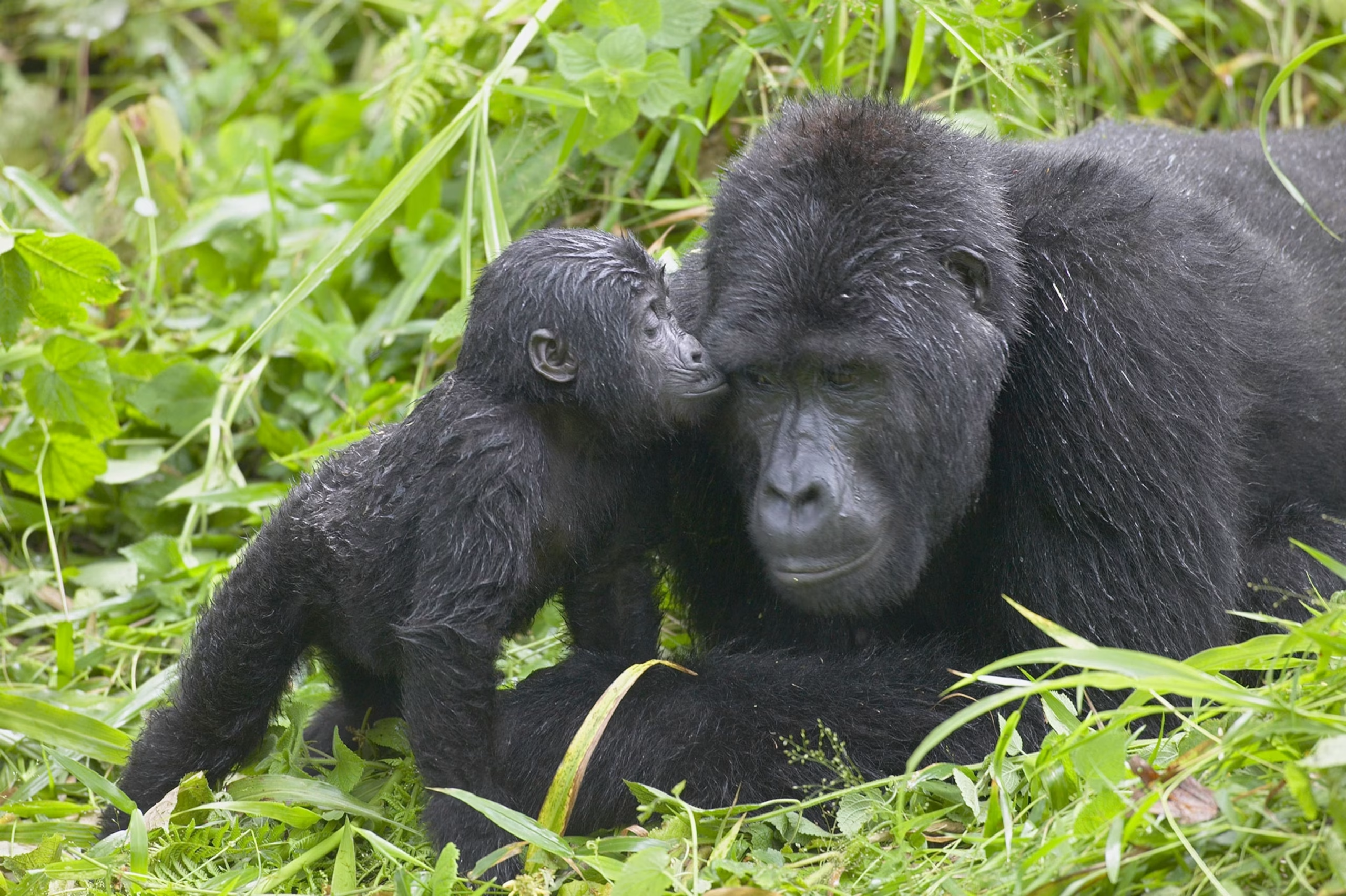
- Mountain gorilla (Gorilla beringei beringei): Classified as Endangered. As of 2025/2026 estimates, around 1,063 individuals remain in the wild, split between the Virunga Massif (Uganda, Rwanda, DRC) and Bwindi Impenetrable National Park in Uganda. Populations have grown from under 400 in the 1980s thanks to intensive protection, but they remain conservation-dependent. Threats include habitat encroachment, disease (from humans), and poaching.
- African elephant: Savanna elephants are Endangered; forest elephants are Critically Endangered. Total African elephant numbers hover around 350,000–415,000, with significant declines from poaching (historically 20,000–30,000 killed yearly for ivory) and habitat loss. Forest elephants number roughly 135,000–145,000, facing fragmentation from logging and mining. Elephants act as “ecosystem engineers,” creating paths and dispersing seeds.
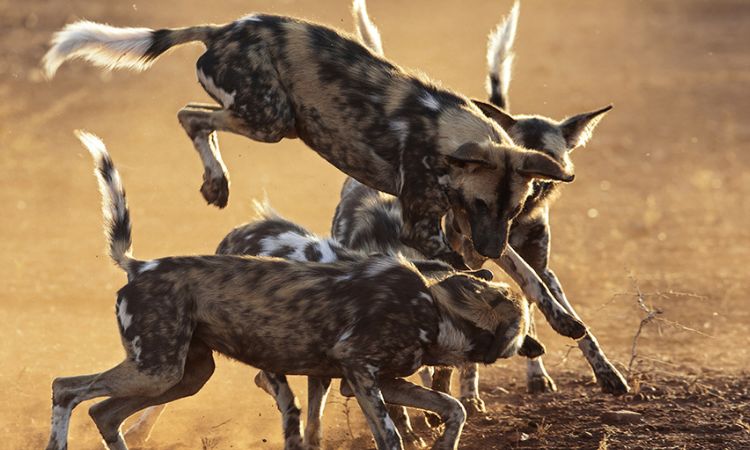
- African wild dog (Lycaon pictus): Endangered, with only about 1,400 mature individuals left in fragmented populations across southern and eastern Africa. They suffer from habitat loss, human persecution (as “problem animals”), disease from domestic dogs, and competition with larger predators. Packs require large territories, making them highly vulnerable to fragmentation.
- Vaquita (critically endangered porpoise): Fewer than 10–20 individuals in Mexico’s Gulf of California, threatened by gillnet bycatch.
- Amur leopard (critically endangered): Around 100 or fewer in Russia/China, due to poaching and habitat loss.
- Hawksbill turtle (critically endangered): Marine species declining from egg harvesting, habitat destruction, and climate impacts on nesting beaches.
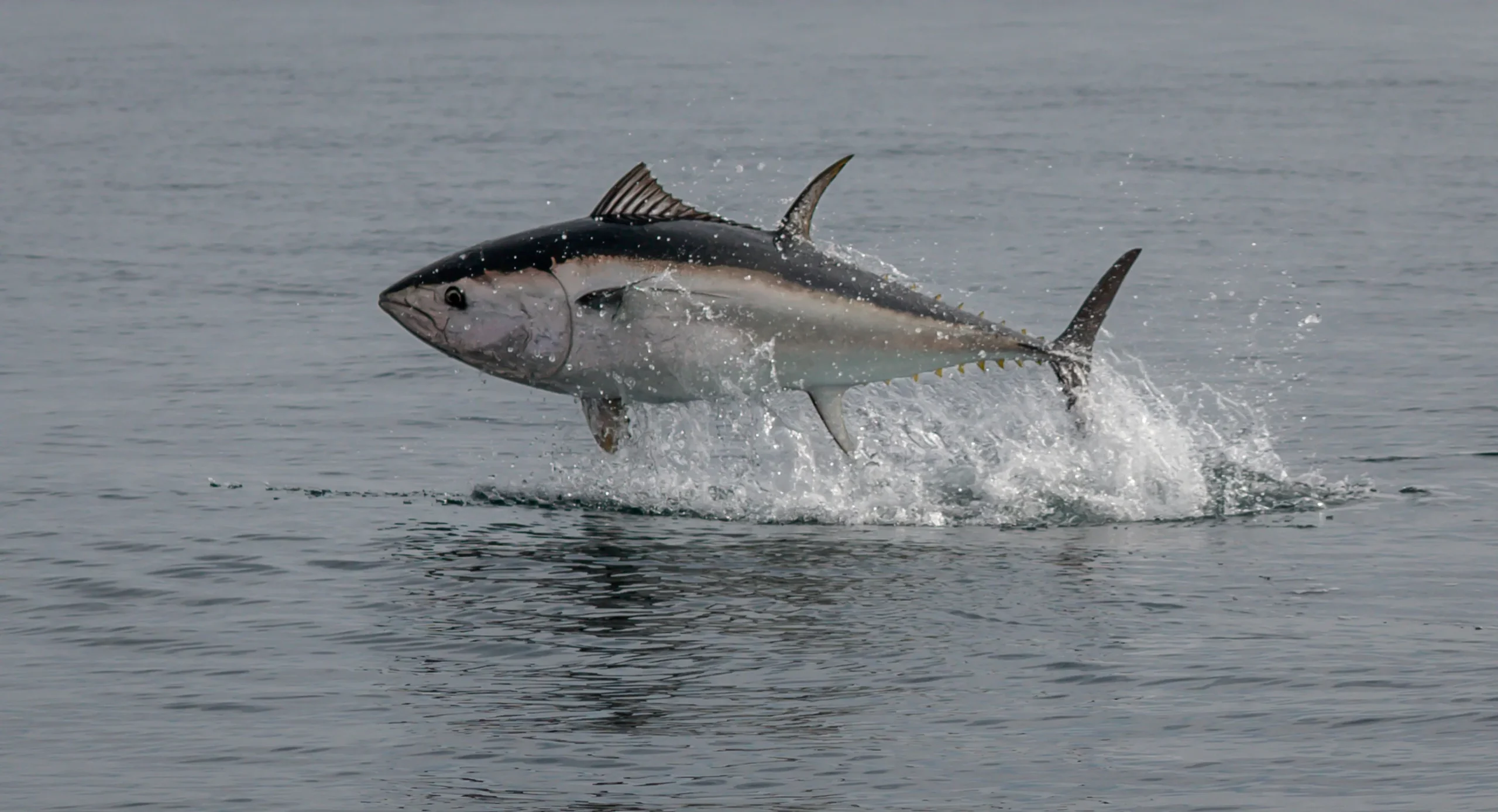
- Endangered species fish include bluefin tuna (overfished for sushi) and various freshwater species affected by dams and pollution.
Top 10 endangered animals lists often feature vaquita, Javan rhino, Sumatran rhino, saola, and pangolins alongside African icons like gorillas and elephants. These highlight both terrestrial and marine crises.
Causes of Endangerment
Multiple interconnected threats drive species toward extinction. Habitat loss remains the primary cause, followed by direct exploitation and emerging pressures like climate change.
Habitat loss and fragmentation: Agriculture, logging, mining, infrastructure (roads, dams), and urban expansion destroy or divide habitats. In Africa, converting forests and savannas for farming isolates populations, making them vulnerable to inbreeding and local die-offs. Fragmented landscapes prevent migration and gene flow.
Poaching and illegal wildlife trade: Targeted killing for ivory, horns, skins, meat, or traditional medicine decimates populations. Elephants and rhinos suffer heavily from this, with global illegal trade valued in billions annually.
Climate change: Rising temperatures, altered rainfall, extreme weather, and sea-level rise shift habitats faster than species can adapt. Polar and high-altitude species lose range; ocean acidification harms marine life. Recent IUCN updates list emperor penguins as Endangered partly due to shrinking sea ice.
Pollution: Plastics, chemicals, pesticides, and industrial waste poison water, soil, and air. Marine species ingest microplastics; freshwater fish suffer from nutrient runoff causing algal blooms.
Other factors include invasive species, disease (often spread from domestic animals), overfishing/hunting, and human-wildlife conflict. These threats compound: a species weakened by habitat loss becomes easier to poach or more susceptible to disease. In 2026, climate change affects a growing number of listed species, interacting with traditional drivers like overexploitation.
Where Endangered Species Live
Endangered species concentrate in biodiversity hotspots:
- Africa: Home to mountain gorillas in misty montane forests, elephants and wild dogs in savannas, and forest elephants in Congo Basin rainforests. Key areas include the Albertine Rift and Miombo woodlands.
- Rainforests: Amazon, Congo, and Southeast Asian forests shelter orangutans, tigers, and countless amphibians/insects threatened by deforestation.
- Oceans: Coral reefs, open seas, and coastal zones host turtles, sharks, whales, and fish. Marine species face overfishing and warming waters; endangered species fish like groupers and tuna are heavily impacted.
Other hotspots: Indo-Malaya for pangolins and rhinos; polar regions for penguins affected by ice loss.
Conservation Efforts
How species are protected involves legal, on-ground, and community-based actions.
National parks and reserves create safe havens. Anti-poaching laws and patrols, often with military or ranger support, deter illegal activity. International agreements like CITES regulate wildlife trade.
Wildlife organizations such as WWF, IUCN, African Wildlife Foundation, and local NGOs monitor populations, conduct research, breed in captivity where needed, and restore habitats. Community involvement—sharing tourism revenue or providing alternative livelihoods—reduces conflict and builds local stewardship.
Success stories exist: Mountain gorilla numbers have rebounded through habituation, monitoring, and tourism-linked funding. Some elephant populations stabilize where poaching is controlled.
Role of Tourism in Conservation
Responsible wildlife safaris play a vital role in protecting endangered species. Tourism generates revenue that funds park operations, anti-poaching, research, and community benefits—often the strongest economic incentive for conservation.
In Bwindi Impenetrable National Park, Uganda, gorilla trekking permits (around $800 for international visitors) directly support habitat protection and local development. The park holds nearly half the world’s mountain gorillas. Revenue helps rangers, veterinary care, and community projects, turning gorillas into valuable living assets rather than targets for poachers.
Serengeti National Park, Tanzania, showcases the Great Migration and supports endangered species like wild dogs, elephants, and black rhinos.
Tourism income sustains vast protected areas, anti-poaching efforts, and ecosystem monitoring. Visitor presence can deter poachers, while high-value, low-impact models minimize disturbance.
How safaris help: Funds flow to conservation; tourists become advocates; local economies benefit, reducing pressure to convert land for agriculture.
Ethical operators limit vehicle numbers, follow guidelines, and support community conservancies. Visiting protected areas helps conserve endangered species while offering unforgettable experiences.
Why Endangered Species Matter
Endangered species sustain ecosystem balance. Predators control prey populations; herbivores shape vegetation; pollinators and seed dispersers enable plant reproduction. Losing one species can trigger cascades—e.g., fewer elephants mean denser forests and lost grasslands for grazers.
Biodiversity provides resilience against disease, climate shifts, and disasters. It underpins human economies through ecotourism, medicine (many drugs derive from wild species), and fisheries/agriculture.
Economically, wildlife tourism generates billions globally and supports jobs in rural Africa. Culturally and ethically, these species hold intrinsic value and inspire wonder.
List of Endangered Species
Here is a selection from the endangered species list and threatened and endangered species list (IUCN-based, 2026 context):
- Mammals: Mountain gorilla (EN), African savanna elephant (EN), African forest elephant (CR), African wild dog (EN), Amur leopard (CR), vaquita (CR), orangutans (various CR/EN), pangolins (CR/EN).
- Birds: Some parrots and eagles facing habitat loss.
- Reptiles/Amphibians: Hawksbill turtle (CR), various frogs.
- Fish: Bluefin tuna (EN/CR in some stocks), certain groupers and freshwater species.
- Others: Emperor penguin (EN due to climate), black rhinoceros (CR in many areas).
For comprehensive top 10 endangered animals, common entries include vaquita, Javan rhino, mountain gorilla, Sumatran tiger, and hawksbill turtle. Charts typically show population trends, threat levels, and ranges.
FAQs – Endagered Species
What is an endangered species?
A species facing very high risk of extinction in the wild, per IUCN criteria (population decline, small numbers, etc.).
Why are animals endangered?
Primarily habitat loss, poaching, climate change, pollution, and human-wildlife conflict. These pressures reduce numbers and fragment populations.
How can we protect endangered species?
Support protected areas, follow anti-poaching laws, reduce consumption of unsustainable products, combat climate change, and choose responsible tourism. Individuals can donate, volunteer, or advocate.
What are examples of endangered animals?
Mountain gorillas, African elephants, African wild dogs, vaquitas, and hawksbill turtles.
How You Can Help: Support Conservation Through Travel
Protecting endangered species requires collective action, but one powerful way is visiting protected areas. Gorilla safaris in Bwindi or wildlife tours in the Serengeti fund direct conservation while creating economic alternatives to destructive practices.
Your visit helps maintain habitats, supports rangers, and empowers communities—turning tourism into a tool for survival of animals at risk of extinction.
Consider booking ethical wildlife safaris or gorilla trekking experiences. Choose operators committed to low-impact practices and community benefits. Every responsible journey contributes to the efforts keeping these magnificent species alive.
Protecting endangered species is essential for preserving biodiversity and ensuring a sustainable future for our planet. By addressing causes, celebrating successes like gorilla population growth, and engaging through informed travel, we can slow extinctions and restore balance.
The 2026 guide reminds us: the time to act is now—whether through policy, personal choices, or experiencing Africa’s wonders responsibly.