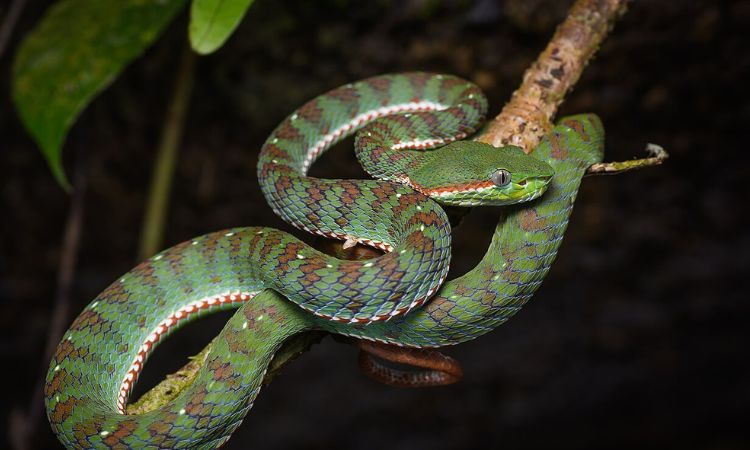
15 Intriguing Facts about Entebbe Reptile Village
Entebbe Reptile Village, also known as Uganda Reptile Village, is one of the most fascinating off-the-beaten-path attractions near Entebbe International Airport.
This community-based sanctuary offers visitors a safe, educational encounter with some of Africa’s most misunderstood creatures.
Whether you’re searching for the best time to visit Entebbe Reptile Village, planning things to do at Entebbe Reptile Village, or curious about Entebbe Reptile Village snakes and crocodiles, this unique spot delivers an unforgettable experience.
Located in Bunono village, just a short drive from the Entebbe-Kampala highway (about 4–10 km from the airport and 34–36 km from Kampala), the Reptile Village Entebbe serves as a rescue center, educational hub, and habitat for rescued reptiles.
Founded as a private initiative to combat fear and promote conservation, it continues to attract families, students, tourists, and nature lovers.
Here are 15 intriguing facts that make Entebbe Reptile Village a must-visit destination in Uganda.
1. Founded by a Passionate Reptile Expert in the Early 2000s
One of the most inspiring facts about Entebbe Reptile Village is its origin story. Established around 2002–2004 by Yasin Kazibwe, a former speedboat captain turned reptile enthusiast, the sanctuary began as a personal mission to rescue and protect snakes and other reptiles.
Kazibwe, who has rescued over 40 different snake species, dedicated his life to changing negative perceptions about reptiles in Uganda.
His work includes writing a “Snake Bite” guidebook and producing reptile documentaries, making him a leading voice in local conservation.
This personal touch gives Reptile Village Entebbe an authentic, community-driven feel that sets it apart from larger zoos.
2. Home to Over 50 Rescued Reptiles from More Than 20 Species
Entebbe Reptile Village houses more than 50 individual reptiles representing over 20 species, all native to Uganda. Visitors can see snakes (venomous and non-venomous), chameleons, tortoises, monitor lizards, and Nile crocodiles.
The collection includes boomslangs, skinks, forest cobras, puff adders, mambas, and the impressive African rock python. Many animals were rescued from human-wildlife conflict zones where they faced persecution.
This diversity makes it one of the best places in Uganda to observe a wide range of reptiles in one location.
3. A True Rescue and Rehabilitation Center
Unlike commercial zoos, Uganda Reptile Village functions primarily as a rescue facility. Reptiles are brought in after being found in homes, farms, or roadsides where locals might otherwise kill them out of fear. The team provides medical care when needed and offers them a safe, naturalistic habitat.
4. Safe Close Encounters with Africa’s Deadliest Snakes
One of the top reasons people visit is the chance for Entebbe Reptile Village snakes and crocodiles experiences. You can safely observe highly venomous species like the Gaboon viper (one of Africa’s most dangerous), black mamba, puff adder, and forest cobra — all behind secure enclosures or glass. Knowledgeable guides explain behavior, venom, and first aid, helping visitors overcome common phobias.
For thrill-seekers, supervised handling of non-venomous species (like the African rock python) is sometimes possible, creating memorable “face your fears” moments.
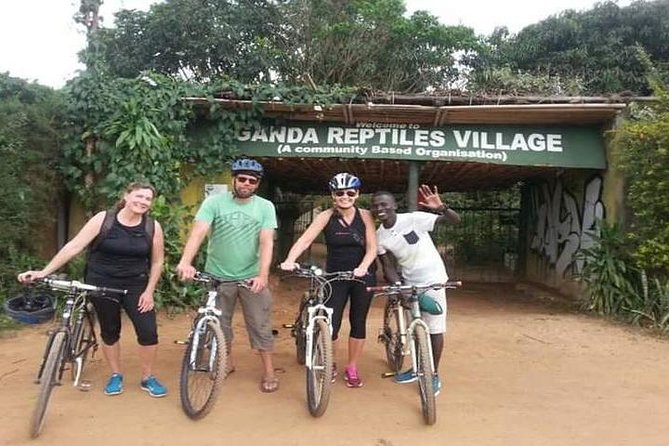
5. Educational Mission to Change Perceptions About Reptiles
The core goal of Entebbe Reptile Village is education and sensitization. Guides teach visitors about the ecological importance of reptiles — controlling rodent populations, maintaining balance in wetlands and forests, and even their role in traditional medicine and culture.
School groups and community tours are common, making it an excellent educational tour at Entebbe Reptile Village.
This focus on awareness directly supports broader conservation of Uganda’s forests, swamps, and water bodies that serve as reptile habitats.
6. Opportunity to Hold or Touch Select Reptiles
Many visitors highlight the interactive element. Under strict supervision, you may hold chameleons, tortoises, or even a baby African rock python. These safe, guided interactions turn fear into fascination and are especially popular with children and families looking for fun things to do at Entebbe Reptile Village with kids.
7. Home to Iconic Species Like the Gaboon Viper and African Rock Python
The Gaboon viper, with its striking camouflage and potent venom, and the massive African rock python (Uganda’s largest snake) are star attractions. The python can reach impressive lengths and is a non-venomous constrictor.
Seeing these up close provides rare insights into their hunting techniques, camouflage, and survival strategies in the wild.
8. Features Color-Changing Chameleons and Ancient Tortoises
Beyond snakes, the village showcases Jackson’s chameleons and other species famous for their rapid color changes and independently moving eyes.
Leopard tortoises and other slow-moving giants delight younger visitors. Watching a chameleon hunt with its projectile tongue or a tortoise feeding is both relaxing and educational.
9. Includes Nile Crocodiles in a Dedicated Pond
Two or more Nile crocodiles reside in a large pond enclosure. These powerful reptiles offer a thrilling yet safe viewing experience. Guides share facts about their strength, longevity, and role as apex predators in Uganda’s rivers and lakes.
10. Promotes Broader Environmental Conservation
Entebbe Reptile Village doesn’t stop at reptiles. It raises awareness about protecting swamps, forests, and wetlands — critical habitats threatened by human activity.
Some tours once included wetland walks or canoeing (though availability varies), linking reptile conservation to larger ecosystem preservation.
11. Affordable and Accessible for All Visitors
Entry is budget-friendly (around $5–10 per person, with guided tours often included or available for a small tip). Open daily from approximately 8:00 AM or 9:00 AM to 6:00 PM or 6:30 PM, it fits easily into any Entebbe itinerary.
Its proximity to the airport makes it ideal for layovers or day trips. Many call it one of the best value attractions near Entebbe International Airport.
12. Highly Rated Guided Tours with Knowledgeable Staff
Reviews frequently praise the passionate guides who share intriguing stories, safety tips, and conservation messages. A guided tour at Entebbe Reptile Village typically lasts 30–90 minutes and transforms a simple visit into a rich learning experience. Professionalism and enthusiasm of the team contribute to its strong Tripadvisor ratings (around 4.2/5).
13. Perfect for Families, Students, and Phobia-Busters
From school excursions to family outings, the village welcomes all ages. Children love the tortoises and chameleons, while adults appreciate the snake facts and conservation message.
It’s particularly powerful for anyone with ophidiophobia (fear of snakes), often leaving visitors with reduced fear and greater respect.
14. Supports Local Community and Sustainable Tourism
As a community-based organization, the village creates jobs for local guides and supports education initiatives. Revenue from tourism helps fund rescues, enclosures, and awareness programs, making your visit a direct contribution to Ugandan conservation.
15. A Hidden Gem That Complements Entebbe’s Other Attractions
While Entebbe is famous for the Uganda Wildlife Education Centre (UWEC), botanical gardens, and Lake Victoria views, Entebbe Reptile Village offers a unique, intimate alternative.
It pairs perfectly with a half-day city tour or as a stop before/after a chimpanzee sanctuary visit on Ngamba Island. Many travelers combine it with beach time or birdwatching for a well-rounded Entebbe experience.
Best Time to Visit Entebbe Reptile Village & Practical Tips
The best time to visit Entebbe Reptile Village is during Uganda’s dry seasons (December–February or June–September) when roads are easier and weather is more pleasant for outdoor exploration. However, it operates year-round with indoor-style enclosures, so it remains accessible even in the rainy months.
What to pack: Comfortable closed shoes, insect repellent, camera, and an open mind. Wear neutral colors to avoid startling the animals.
How to get there: Easily reachable by taxi, boda-boda, or organized tour from Entebbe town or the airport. Look for signs near Abaita Ababiri along the Entebbe-Kampala highway.
Duration: Most visits take 45–90 minutes, making it perfect for short stops.
Why Visit Entebbe Reptile Village?
This sanctuary challenges stereotypes, educates future generations, and protects biodiversity. In a country blessed with incredible wildlife, Reptile Village Entebbe provides an accessible, hands-on way to appreciate often-overlooked species.
Whether you’re researching Entebbe Reptile Village guided tour facts, looking for unique things to do near Entebbe airport, or simply want to support reptile conservation in Uganda, this small but mighty village delivers big rewards.
Next time you’re in Entebbe, don’t miss this scaly surprise. Book a guided tour, face your fears, learn fascinating facts, and leave with a deeper respect for Uganda’s reptiles. Your visit helps ensure these intriguing creatures continue to thrive in the wild for generations to come.