

How Many Days Are Enough for a Masai Mara Wildlife Safari?
How Many Days are enough for Masai Mara: When planning a trip to the iconic Maasai Mara National Reserve in Kenya, one of the most common questions is: how many days for Masai Mara? The answer depends on your schedule, budget, and wildlife goals.
2–3 days is enough for a basic safari, letting you experience thrilling game drives and spot members of the Big Five. However, 4–5 days is ideal for a full, relaxed Masai Mara safari experience with higher chances of memorable sightings. Longer stays of 6–7 days offer deep immersion, especially if combining with cultural visits or nearby conservancies.
This guide covers Masai Mara safari duration options, what you can realistically see, best times to visit, sample itineraries, costs, travel tips, and accommodation choices to help you craft the perfect trip.
However, when planning a Masai Mara safari, one of the most common questions travelers ask is: how many days are enough to fully experience the wonders of this iconic destination?
The answer depends on several factors, including the type of safari experience you want, your budget, and the time of year you plan to visit.
In this article, we will explore different options for safari durations and help you decide how many days are ideal for your Masai Mara wildlife safari.
How Many Days are enough for Masai Mara;
1. The Essentials: A Minimum of 3 Days
If you are short on time but still want to experience the highlights of a Masai Mara safari, a 3-day safari is a good starting point. This duration allows you to explore the park at a leisurely pace, with enough time to enjoy game drives, see the wildlife, and appreciate the beautiful scenery.
Day 1: Arrival and Introduction to the Mara
On the first day, you can either take a flight or drive from Nairobi to the Masai Mara National Reserve, with the option to choose between scheduled flights or road transfers. Upon arrival at your accommodation, you can have lunch and then head out for your first game drive in the afternoon.
A typical game drive lasts about 3-4 hours, allowing you to spot a variety of animals such as lions, elephants, giraffes, and zebras. The Mara’s open plains make it easy to spot animals from a distance, and your experienced guide will ensure that you don’t miss any of the key species.
Day 2: Full Day Safari and Wildlife Viewing
The second day is usually dedicated to an early-morning game drive, where you can witness the Mara’s wildlife at its most active. During this time, many predators, such as lions and cheetahs, are out hunting, and you may have the opportunity to see exciting predation behaviors.
After a hearty breakfast at your lodge, you’ll set out on a morning game drive, followed by lunch at your camp or lodge. In the afternoon, you can opt for another game drive or participate in activities like a hot air balloon ride or a visit to a Maasai village. Evening game drives in the Mara are also excellent for spotting nocturnal creatures like hyenas, jackals, and leopards.
Day 3: Morning Game Drive and Departure
On the third day, take one last morning game drive before heading back to Nairobi or your next destination. Depending on your flight schedule, you may also opt for a final activity such as a nature walk or a visit to the Mara River to watch crocodiles and hippos.
2. A Longer Experience: 4 to 5 Days
For those who have more time and want a deeper dive into the Masai Mara, a 4 to 5-day safari provides an extended opportunity to fully explore the reserve and experience all it has to offer.
Day 1: Arrival and Afternoon Game Drive
The first day of a 4-day safari follows a similar pattern to that of a 3-day safari, but with the added advantage of more time to relax and unwind after your travels. After your arrival, enjoy a leisurely lunch and embark on your first afternoon game drive.
Day 2: Full Day Safari with Picnic Lunch
With an extra day in the Mara, you can enjoy a full-day game drive that takes you deeper into the reserve. The Masai Mara is vast, and each region of the park offers different wildlife experiences.
During your full-day drive, you might explore areas like the Mara Triangle, known for its dramatic river crossings during the Great Migration, or venture into the park’s more remote corners to spot rare species such as the black rhino.
A picnic lunch in the wild is often included on a full-day safari, allowing you to enjoy the landscape while taking a break from your game drive. This extended safari allows you to spot more wildlife, especially during the migration season, when large herds of wildebeest, zebras, and other herbivores are roaming the plains.
Day 3: Optional Activities and More Game Viewing
With a longer safari, you can enjoy other activities such as a hot air balloon safari at sunrise or a walking safari with a Maasai guide. These activities provide a unique perspective of the Mara and an opportunity to learn more about its ecosystem.
You will also have more time to search for specific species, including the elusive leopard or the majestic cheetah. If you’re visiting during the Great Migration, this extra time can be invaluable in witnessing the river crossings, where thousands of wildebeest risk their lives to cross the Mara River, often encountering crocodiles along the way.
Day 4 and 5: More Wildlife Encounters and Cultural Exploration
On the final days of your safari, you can take more game drives, explore the Mara River, or experience a cultural interaction with the Maasai people. This gives you a chance to learn about their traditional way of life and how they live alongside the wild animals that roam the land.
For those staying for 5 days, an additional game drive will provide even more opportunities to observe the Mara’s incredible wildlife, with the chance to experience the park at different times of the day.
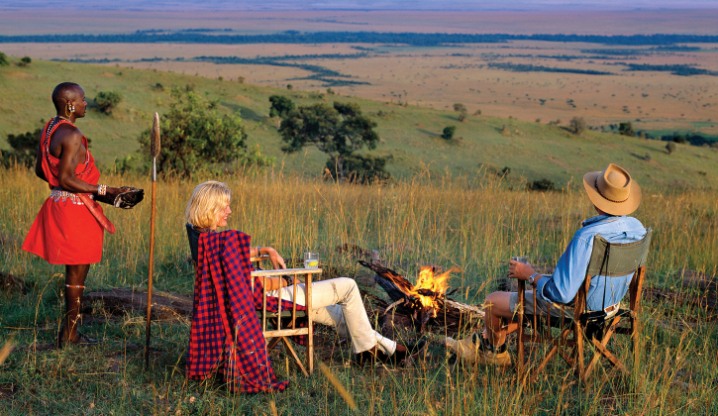
3. A Comprehensive Experience: 6 to 7 Days
For those seeking a truly immersive experience in Masai Mara, a 6 to 7-day safari is ideal. This duration allows you to explore the park in depth, offering ample time to witness the wildlife, participate in additional activities, and relax in the serene environment of the Mara.
Extended Game Drives and Special Activities
During a 7-day safari, you can enjoy multiple full-day game drives, spend more time in different ecosystems within the park, and explore areas that are not typically covered in shorter safaris. You will also have the opportunity to visit Masai Mara conservancies, which offer exclusive game viewing opportunities away from the crowds of the main reserve.
One of the benefits of a longer stay is the chance to observe animal behaviors over several days. For example, you can track a pride of lions and see how they hunt or interact with their cubs. You might also observe the daily routines of elephants, giraffes, and other animals in more detail.
Hot Air Balloon Safaris and Cultural Immersion
With extra time in the Masai Mara, you can take advantage of more unique experiences such as a hot air balloon safari at sunrise. Floating above the plains at dawn offers breathtaking views of the Mara and an unforgettable experience.
Additionally, a visit to a Maasai village or a Maasai Mara conservation area will deepen your cultural understanding and provide a more holistic safari experience. These cultural excursions are often not included in shorter safari packages but are a fantastic way to engage with the local community.
What You Can See in Different Masai Mara Safari Durations
The Maasai Mara’s open savannahs, acacia woodlands, and riverine areas support incredible biodiversity year-round.
- Big Five Animals: Lions are common and often seen in prides. Elephants and buffaloes appear in large numbers. Leopards hide in trees or thickets (patience and skilled guides help). Rhinos are scarcer but possible in certain zones. Shorter 2–3 day trips often yield lions, elephants, and zebras, while 4+ days boost leopard and cheetah chances through repeated drives.
- The Great Migration (Seasonal): From July to October, over a million wildebeest and zebras flood the Mara from the Serengeti. Dramatic Mara River crossings thrill visitors with crocodiles and predator action. Even in shorter stays you may see massive herds, but longer durations let you follow their movements across the plains.
- Birdlife and Other Wildlife: Over 500 bird species, including vultures, eagles, and colorful rollers, make the Mara a birder’s paradise. Giraffes, hippos, hyenas, jackals, and antelopes like impala and topi are widespread. Extended stays improve chances of rare or nocturnal sightings.
Shorter trips deliver the “greatest hits,” while longer ones reveal the ecosystem’s depth and allow for quieter, more intimate moments with nature.
Best Time to Visit Masai Mara
Timing significantly impacts your Masai Mara safari experience:
- July–October (Peak Migration Season): Best for the Great Wildebeest Migration, river crossings, and predator action. Dry conditions make animals easier to spot as they congregate near water. Expect higher crowds and prices; book early.
- Dry Seasons (June–October overall): Excellent general wildlife viewing with shorter grass and concentrated animals.
- Low/Green Season (November–June): Fewer crowds, lower costs, and lush landscapes. January–March offers good wildlife with mild weather and minimal tourists. Calving season (around February–March) brings newborn wildebeest and predator opportunities.
Avoid heavy rains (typically April–May) when some tracks become challenging, though lodges remain open.
Considerations for Your Safari Duration
The number of days you spend on a Masai Mara safari should depend on several factors:
- Wildlife Preferences: If you are particularly interested in certain species, a longer stay will give you a better chance to spot them.
- Season: The best time to visit Masai Mara is during the Great Migration (July to October), but visiting during the dry season (December to March) can also be rewarding, with more predictable wildlife sightings.
- Budget: Longer safaris tend to be more expensive, so you’ll need to plan according to your budget.
- Energy Levels: A safari can be an intense experience, so consider how much time you’d like to spend in the vehicle and whether you prefer to spend extra days relaxing at your camp.
Cost by Number of Days in Masai Mara
Costs vary widely by season, group size, transport (drive vs. fly), and accommodation level. Figures are approximate per person for a shared or small-group safari (private options cost more):
- 2–3 Days: $400–$900 (budget to mid-range). Shorter trips can feel more expensive per day due to fixed transfer costs.
- 4–5 Days: $800–$1,500 (mid-range common). Better value with more game drives included.
- 6+ Days: $1,500+ , with per-day rates often decreasing slightly on longer stays.
Park entry fees add significantly—around $100–$200 per adult per day depending on season in 2026. Luxury camps push daily rates higher ($600–$1,000+ pp), while budget tented camps keep things affordable. All-inclusive packages (meals, drives, transfers) simplify budgeting. Costs rise during July–October migration peak.
How to Get There
- Drive from Nairobi: Scenic 5–6 hour journey via the Great Rift Valley viewpoint. Offers a sense of the landscape but is tiring. Good tar roads for much of the way, then gravel near the reserve.
- Fly-in Option: Quick 45–60 minute flight from Wilson Airport to one of the Mara’s many airstrips. Saves time for immediate game drives and is more comfortable. Transfers from airstrip to camp are short. Many recommend flying in and driving out (or vice versa) for variety.
Where to Stay in Masai Mara
Accommodation ranges from simple tented camps to opulent lodges:
- Budget Camps: Basic but comfortable tents with shared or en-suite facilities. Great value near park gates or in community areas.
- Mid-Range Lodges: Reliable tents or cottages with private bathrooms, good food, and pools. Popular options balance comfort and affordability.
- Luxury Safari Camps: Exclusive tented experiences with butler service, fine dining, infinity pools, and prime river or plains locations. Many in conservancies for private access.
Location matters—stays inside the reserve or along the Mara River maximize wildlife proximity, while conservancy camps offer exclusivity and activities like night drives
FAQ: How Many Days for Masai Mara?
Is 2 days enough for Masai Mara?
It’s tight but possible for a taste—expect 1–2 game drives. You’ll see wildlife but may feel rushed.
Is 3 days enough for Masai Mara?
Yes for many; it provides a solid introduction with multiple drives. Still, adding a day noticeably improves the experience.
What is the best duration for a Masai Mara safari?
4–5 days is widely recommended as the ideal Masai Mara safari duration for most people.
Can I combine Masai Mara with other parks?
Absolutely. Popular combos include Masai Mara + Lake Nakuru, Amboseli, or even a beach extension on the Kenyan coast. Longer itineraries (7–10 days) work best for multi-park Kenya safari packages.
A Masai Mara wildlife safari is a once-in-a-lifetime experience, and the number of days you spend there should be tailored to what you hope to get out of the trip.
Whether it’s a quick 3-day safari to witness the Big Five or a more immersive 7-day adventure to explore every corner of this remarkable reserve, the Masai Mara will leave you with memories to last a lifetime.
For most visitors, 4 to 5 days offers the ideal balance of exploration and relaxation, while those with more time can indulge in a comprehensive safari experience. Whatever your choice, a Masai Mara safari is sure to be a magical adventure that will stay with you forever.


