Best Guide to Masai Mara Park Fees for Non Residents 2026
Masai Mara Park Fees for Non Residents in 2026 are USD 100 per adult per day from January to June and USD 200 per adult per day from July to December.
Non-resident children aged 9–17 pay USD 50 per day, while children aged 8 and below can enter free under the current fee structure. These are the main Maasai Mara National Reserve entry fees travelers should include when budgeting for a Kenya safari.
Maasai Mara National Reserve is one of Kenya’s most renowned wildlife destinations, famous for its expansive savannah, abundant wildlife, and the annual Great Wildebeest Migration. The reserve covers approximately 1,510 square kilometers and forms part of the larger Mara-Serengeti ecosystem.
Unlike Kenya’s national parks managed by the Kenya Wildlife Service, the Maasai Mara National Reserve is managed under Narok County, so its entry fees and visitor regulations are administered separately.
For travelers planning a Maasai Mara safari in 2026, understanding the entry fee structure is essential because the amount you pay depends on your visitor category, travel dates, and the number of days you require access to the reserve. The major change to watch is the seasonal adult rate: the non-resident fee increases from $100 to $200 per person per day on 1 July 2026.
This guide explains the Maasai Mara park fees for non-residents in 2026, including adult and child rates, seasonal pricing, ticket validity, payment considerations, camping charges, and additional costs that may affect your safari budget.
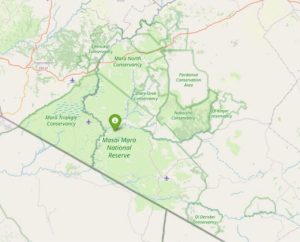
It also explains the difference between the Maasai Mara National Reserve, Mara Triangle, and surrounding private conservancies, so you can understand which fees apply to your itinerary.
All prices in this guide are shown in US dollars unless otherwise stated. Because conservation and entry charges can change, travelers should confirm the applicable rate and payment requirements when making their final safari arrangements.
Overview of Masai Mara Park Fees for Non Residents
The Masai Mara Park Fees for Non Residents are structured to support conservation, infrastructure improvements, and community development, reflecting the reserve’s global ecological significance.
Fees vary by season, age, and duration of stay, with a significant increase implemented in 2024 as part of the 2023–2032 Management Plan.
The fees are notably higher for non-residents compared to Kenyan citizens or East African residents, aligning with a strategy to generate substantial revenue from international tourism while keeping the park accessible to locals.
The fee structure is divided into two seasons:
- Off-Peak Season: January 1 to June 30, November 1 to December 31.
- Peak Season: July 1 to October 31, coinciding with the Great Migration.
Masai Mara Park Fees for Non Residents are charged per person per day, based on a 12-hour cycle (6:00 AM to 6:00 PM), a change from the previous 24-hour validity period. This 12-hour rule, effective since 2024, means visitors staying past 10:00 AM or engaging in morning activities on departure day incur an additional full-day fee, except for those on early morning flight schedules.
Detailed Structure of the Masai Mara Park Fees for Non Residents
The table below summarizes the Masai Mara entry fees for non-residents in 2025, covering adults, children, and students, for both seasons.
These rates apply regardless of whether accommodation is inside or outside the reserve, a simplification introduced in 2024
| Category | Off-Peak (Jan–Jun, Nov–Dec) | Peak (Jul–Oct) | Notes |
| Adult (18+ years) | $100 per day | $200 per day | Per person, 12-hour validity (6 AM–6 PM) |
| Child (9–17 years) | $50 per day | $50 per day | Children under 9 enter free |
| Student (up to 23 years) | $50 per day | $50 per day | Requires valid student ID, school trip or research authorization |
Key Notes:
- Children: Those under 9 years enter free, while ages 9–17 pay a flat $50 year-round.
- Students: Must be sponsored by a recognized institution, hold a valid student ID, and visit on a pre-arranged school trip or for authorized research. Approval is needed two weeks in advance for the Mara Triangle.
- 12-Hour Rule: Exiting after 10:00 AM by road or participating in morning activities (e.g., hot air balloon safaris) triggers an additional day’s fee. This does not apply to early flight departures.
- Comparison to 2023: In 2023, non-resident adults paid $80 for a 24-hour period, making the 2024–2025 fees a 25–150% increase, positioning Masai Mara as the world’s most expensive wildlife reserve for entry.
Additional Fees and Considerations
Community Fee
Guests staying in accommodations within the reserve (e.g., Sarova Mara Camp, Governors Camp) may incur a separate Community Fee, distinct from entry fees.
This fee supports local Maasai communities through conservation, socio-economic, and cultural preservation initiatives.
Exact costs vary by lodge and are not publicly detailed but are typically included in accommodation packages.
Camping Fees
Non-residents camping in the reserve pay additional fees: $30 per adult for public campsites (e.g., Oloololo) and $40 for private campsites (e.g., Kiboko).
Children and students pay reduced rates. An entry fee equivalent to the daily rate ($100–$200) is now required for overnight camping in the National Reserve due to the 12-hour rule, but this does not apply to Mara Triangle campsites or those outside the reserve.

Vehicle and Aircraft Fees
Safari vehicles pay $3–$60 per day based on seating capacity (e.g., $13 for 6–12 seats). Aircraft landing fees range from $13–$120 per landing, depending on capacity. These are separate from personal entry fees and typically handled by tour operators.
Mara Triangle (Mara Conservancy)
The western part of the reserve, managed by the Mara Conservancy, follows the same fee structure but requires cashless payments (Visa, Mastercard, M-Pesa) at gates like Purungat Bridge or Oloololo. Visitors staying in the Mara Triangle (e.g., Mara Serena Lodge) should pay fees only upon entering this area, not at Narok gates like Sekenani.
Payment Methods and Logistics of the Masai Mara Park Fees for Non Residents
Payment Options: Fees are payable at entry gates (Sekenani, Talek, Oloololo, etc.) in cash (USD or Kenyan Shillings) or cashless methods (Visa, Mastercard, M-Pesa). The Mara Triangle accepts only cashless payments. Pre-payment is available through KAPS in Nairobi (KATO Office, Upper Hill).
Verification: Non-residents must present a valid passport to confirm status. Without it, they pay the non-resident rate, even if eligible for resident discounts.
Tour Packages: Most safari packages include entry fees, but fly-in safaris often require payment upon landing. Confirm with your operator to avoid surprises.
Rules Impacting Costs
The 12-hour rule significantly affects budgeting, as overstaying or engaging in morning activities incurs double fees for that day. For example, a non-resident adult staying past 10:00 AM in peak season pays $400 for a single day instead of $200. To avoid this:
- Exit by 10:00 AM on departure day.
- Schedule flights before 10:00 AM.
- Discuss with your operator to skip first-day fees if transferring directly to camp without entering the reserve.
Other rules include:
- Speed limits (50 km/h on graded roads, 30 km/h elsewhere).
- No more than five vehicles at a wildlife sighting, with a 10-minute limit if others are waiting.
- Park access is restricted to 7:00 AM–7:00 PM. Violations may result in fines or a six-month ban.
Budgeting Tips and Context
The fee hike, from $80 per 24 hours in 2023 to $100–$200 per 12 hours in 2025, has sparked debate. Posts on X indicate a 185% increase (from KSh 9,205 to KSh 26,300), prompting some tourists to opt for Tanzania’s Serengeti ($71.80 per 24 hours).
However, the Masai Mara’s unique biodiversity, including the Big Five and the Migration, justifies the cost for many. To manage expenses:
- Choose accommodations outside the reserve (e.g., Kambu Mara Camp) to avoid Community Fees.
- Opt for off-peak visits to save $100 per adult per day.
- Book through operators who include fees in packages for transparency.
In conclusion, the Masai Mara’s non-resident entry fees for 2025—$100 per adult per day (off-peak) and $200 (peak), $50 for children and students—reflect its status as a premier wildlife destination.
The 12-hour rule and additional fees (e.g., camping, vehicles) require careful planning to avoid unexpected costs. While the fees are the highest among global reserves, the revenue funds critical conservation and community initiatives, ensuring the Mara’s legacy.
By understanding the fee structure, payment options, and rules, non-residents can budget effectively for an unforgettable safari experience in this Kenyan masterpiece.
Plan Your Masai Mara Safari Today!
Don’t let the updated Masai Mara Park Fees for Non Residents in 2025 catch you off guard. Whether you’re dreaming of witnessing the Great Wildebeest Migration, tracking the Big Five, or experiencing an authentic cultural encounter with the Maasai, we have got you covered. Contact Us Today.