Top 10 Best Beaches in Kenya & Their Locations: Complete Coastal Travel Guide 2026
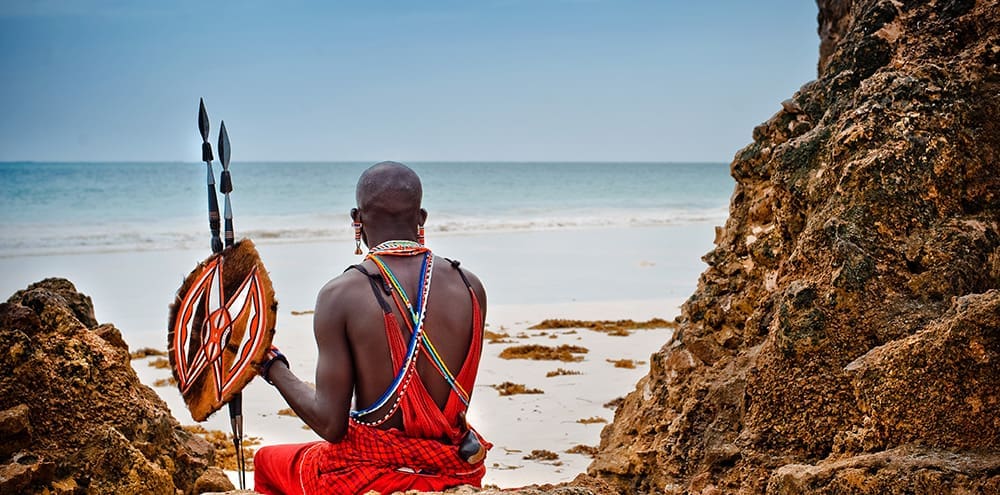
Beaches in Kenya: Kenya’s coastline stretches for over 536 kilometres along the warm, turquoise waters of the Indian Ocean — a dazzling ribbon of white sand beaches, coral reefs, mangrove forests, and ancient Swahili port towns that rivals any coastal destination in Africa.
From the world-famous resort strip of Diani Beach on the south coast to the UNESCO-listed island paradise of Lamu in the north, Kenya’s coastal destinations offer a remarkable range of experiences: luxury beach resorts, marine national parks teeming with tropical fish, traditional dhow sailing, dolphin watching, world-class kitesurfing, and some of the freshest seafood you will find anywhere on the continent.
The best beaches in Kenya are not just beautiful — they are culturally layered, ecologically extraordinary, and strategically positioned for travellers who want to combine a coastal escape with one of Africa’s greatest safari destinations. A Kenya trip combining the Maasai Mara wildebeest migration with a week on Diani’s white sand is one of the continent’s most satisfying travel combinations.
This guide covers the top beaches Kenya has to offer — with exact locations, what makes each special, the best activities, and practical travel information to plan your coastal visit with confidence.
Top 10 Best Beaches in Kenya
1. Diani Beach
Location: South Coast, near Ukunda town, Kwale County (approx. 30km south of Mombasa)
Diani Beach is consistently ranked among the best beaches in Africa and is Kenya’s most celebrated coastal destination. Its appeal is immediately obvious: an unbroken 17-kilometre stretch of powder-white sand backed by swaying palm trees and clear, warm Indian Ocean water that turns every shade of turquoise and blue throughout the day. The reef offshore protects the beach from strong waves, creating calm, swimmable conditions for most of the year.
Diani offers a complete beach destination — world-class luxury resorts, boutique guesthouses, excellent restaurants, vibrant beach bars, and one of East Africa’s most developed water sports scenes.
Kitesurfing, snorkelling, scuba diving, dolphin boat trips, and skydiving are all available directly from the beach. The Wasini Island day trip (boat ride + snorkelling + seafood lunch) is one of the south coast’s finest excursions. Colobus monkeys are frequently spotted in the coastal forest behind the resort strip.
Best time to visit: January–March and July–October (dry seasons). Avoid April–May (heavy rains).
2. Watamu Beach
Location: Watamu village, Kilifi County (approx. 105km north of Mombasa)
Watamu is Kenya’s most ecologically important beach destination and one of the most beautiful Kenya beaches and locations for travellers who prioritise marine life over nightlife.
The beach sits adjacent to the Watamu Marine National Park and Reserve — a protected coral garden of extraordinary biodiversity, home to sea turtles, whale sharks (seasonal), reef fish, dolphins, and one of East Africa’s most intact coral ecosystems.
The beach itself is stunning: wide, white, and lined with casuarina trees rather than commercial development, giving it a more natural, unhurried character than busier resort beaches. Snorkelling, scuba diving, deep-sea fishing, glass-bottom boat trips, and sea turtle conservation volunteering are the primary activities.
The Bio-Ken Snake Farm and nearby Gede Ruins (a 12th-century Swahili trading town) add cultural depth to any Watamu stay.
Best time to visit: October–March (calmest seas, best visibility for diving). Whale sharks present October–March.
3. Nyali Beach
Location: Nyali suburb, Mombasa County (5–7km north of Mombasa city centre)
Nyali Beach is the most accessible beach near Mombasa and the natural first stop for travellers arriving at Mombasa’s Moi International Airport. Its proximity to the city makes it ideal for short coastal breaks or adding a beach day to a Mombasa city tour. The beach is wide, the sand is white, and the water is warm and generally calm behind the protective reef.
Nyali has a well-developed hospitality infrastructure — established mid-range and luxury hotels, good restaurants, and easy access to Mombasa’s historical sites including Fort Jesus and the Old Town’s winding streets and spice markets.
Water sports including jet skiing, snorkelling, and paddleboarding are available from the beach. For travellers wanting easy urban access alongside a beach stay, Nyali delivers excellent convenience.
Best time to visit: January–March and July–October.
4. Bamburi Beach
Location: Bamburi, Mombasa County (approximately 8km north of Mombasa city)
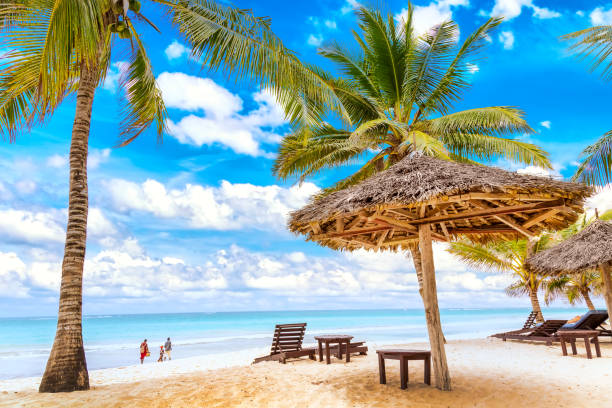
Bamburi Beach sits just north of Nyali and is one of the north coast’s most popular and lively beach destinations. It is characterised by a long, broad sandy stretch lined with hotels, beach bars, and watersports vendors that create a buzzy, social atmosphere particularly popular with domestic tourists and younger international visitors.
The beach’s reef protection means waters are calm and swimmable year-round. Snorkelling, banana boat rides, dhow cruises, and camel rides on the beach are among the most popular activities.
Bamburi is also home to the Haller Park — a remarkable ecological rehabilitation project turned wildlife sanctuary where hippos, giraffes, and crocodiles roam within a former quarry — an unusual and family-friendly addition to a beach holiday.
Best time to visit: January–March and July–October.
5. Shanzu Beach
Location: Shanzu, Kilifi County (approximately 14km north of Mombasa)
Shanzu Beach marks the transition between the busy Mombasa north coast resort strip and the quieter Kilifi county coastline. It is calmer and less commercially developed than Bamburi or Nyali, attracting travellers who want a north coast beach experience with fewer crowds.
The beach itself is wide, sandy, and backed by casuarina trees, with the same warm, reef-protected waters that characterise Kenya’s north coast.
Shanzu is popular with families and couples seeking a more relaxed pace. Several well-regarded hotels and resorts operate along this stretch, and the beach provides a quiet base from which to explore Mombasa, Kilifi Creek, and the wider north coast. Swimming, snorkelling, and dhow sailing are the primary water activities.
Best time to visit: January–March and July–October.
6. Tiwi Beach
Location: South Coast, between Likoni and Diani, Kwale County
Tiwi Beach is one of Kenya’s best-kept secrets — a quieter, less commercialised alternative to the busy Diani resort strip that sits just a few kilometres to the south.
Tiwi’s beach is wide, white-sanded, and fringed with tropical vegetation, with the same calm Indian Ocean waters protected by the coral reef.
The atmosphere is distinctly unhurried, with a mix of long-established self-catering cottages, small guesthouses, and a handful of mid-range resorts.
Tiwi is particularly popular with expats based in Nairobi, repeat Kenya visitors who have already experienced Diani, and travellers seeking genuine tranquility over resort amenities. Swimming, snorkelling, beach walks, and reef fishing are the main activities. The tidal pools and rock formations at low tide make for fascinating exploration.
Best time to visit: January–March and July–October.
7. Malindi Beach
Location: Malindi town, Kilifi County (approximately 120km north of Mombasa)
Malindi is one of Kenya’s oldest and most historically significant coastal towns — a former Arab trading post with Portuguese colonial history, ancient Swahili architecture, and a distinctive multicultural character that makes it more than just a beach destination.
The Malindi Marine National Park, established in 1968 as one of Africa’s first marine parks, protects extraordinary coral gardens offshore accessible by snorkelling and diving.
Malindi’s beaches — particularly the stretch running north of the town toward Casuarina Point — are wide and dramatic, with the Sabaki River’s tannin-rich outflow creating a contrast of dark and light water at certain times of year.
The town itself offers excellent seafood restaurants, cultural museums, the historic Vasco da Gama Pillar (erected in 1498), and a relaxed, less tourist-saturated atmosphere than the better-known south coast resorts.
Best time to visit: October–March (best marine visibility). The kaskazi (northeast monsoon) brings calm, clear conditions.
8. Lamu Beaches — Shela and Beyond
Location: Lamu Archipelago, Lamu County (approximately 340km north of Mombasa)
Lamu is Kenya’s most extraordinary coastal destination — a UNESCO World Heritage Site and one of the oldest continuously inhabited towns in East Africa, dating back to the 12th century.
The main island of Lamu and the neighbouring Shela Beach area offer Kenya’s most unique and culturally immersive beach experience. Shela Beach is a magnificent 12-kilometre stretch of undulating sand dunes meeting the Indian Ocean in a landscape that feels timeless and remote.
There are no motor vehicles on Lamu Island — donkeys and boats are the primary transport. The old town’s coral stone architecture, carved wooden doors, rooftop terraces, and labyrinthine alleyways create an atmosphere unlike anywhere else in Kenya or East Africa.
Dhow sailing, swimming, deep-sea fishing, cultural town walks, and Swahili cooking experiences are among the finest activities. Lamu’s food scene — fresh crab, grilled fish, biriani — is exceptional.
Best time to visit: October–April (northeast monsoon brings calm seas and sunny skies).
9. Kilifi Beach
Location: Kilifi town, Kilifi County (approximately 60km north of Mombasa)
Kilifi is one of Kenya’s most picturesque coastal towns, built around a dramatic creek where the Indian Ocean cuts deep inland to create a natural harbour and sailing basin.
Kilifi Beach and the surrounding creek area have become a beloved destination for sailing enthusiasts, kitesurfers, digital nomads, and travellers seeking a sophisticated coastal experience away from the mass-tourism resort strips.
The beach at Kilifi is beautiful — white sand, warm water, and a backdrop of cliffs and mangroves that give it a more dramatic character than the flat beaches further south.
The Kilifi Creek itself is a world-class kitesurfing destination, with consistent monsoon winds and flat water conditions that attract kiters from around the world.
Excellent restaurants, creative hostels and boutique guesthouses, and a warm, creative community make Kilifi one of Kenya’s most compelling coastal towns for extended stays.
Best time to visit: July–September (kusi/southeast monsoon, prime kitesurfing season).
10. Gazi Beach
Location: Gazi village, South Coast, Kwale County (approximately 50km south of Mombasa)
Gazi Beach is one of Kenya’s most authentically local and ecologically remarkable south coast beaches — an off-the-beaten-path destination that rewards travellers willing to venture beyond the Diani resort strip.
The village of Gazi sits beside a pristine mangrove forest and a beautiful, uncrowded sandy beach that sees relatively few international tourists.
Gazi is particularly renowned for its community-managed mangrove boardwalk — a pioneering conservation and ecotourism project that allows visitors to walk through the mangrove ecosystem while learning about its ecological importance and the local community’s conservation work.
The beach itself is clean, calm, and genuinely unspoiled. Snorkelling, mangrove walks, traditional fishing dhow trips, and authentic seafood meals prepared by local families make Gazi a deeply rewarding stop.
Best time to visit: January–March and July–October.
Kenya’s Coastal Regions: A Geographic Breakdown
Understanding Kenya’s coast by region helps you plan your itinerary and combine beaches efficiently:
South Coast (Diani, Tiwi, Gazi) — The most internationally visited coastal region, offering Kenya’s most developed beach resort infrastructure alongside quieter alternatives. Accessed via the Likoni ferry from Mombasa.
North Coast — Mombasa Area (Nyali, Bamburi, Shanzu) — Well-established resort hotels close to Mombasa city and its historical attractions. Good transport connections and a lively beach atmosphere.
Kilifi and Watamu Region — A quieter, more ecologically focused coastal zone excellent for marine park snorkelling and diving, kitesurfing at Kilifi Creek, and sea turtle conservation at Watamu.
Lamu Archipelago — Kenya’s most remote and culturally extraordinary coastal destination. Fly from Nairobi or Mombasa (45–60 minutes) or take an extended road and boat journey.
Best Beaches in Kenya Activities
| Activity | Best Beach | Season |
|---|---|---|
| Kitesurfing | Kilifi Creek, Diani | June–September |
| Snorkelling | Watamu, Malindi Marine Park | October–March |
| Scuba diving | Watamu, Diani, Malindi | October–March |
| Dolphin watching | Diani, Wasini Island | Year-round |
| Deep-sea fishing | Malindi, Watamu, Lamu | October–March |
| Dhow sailing | Lamu, Malindi, Kilifi | Year-round |
| Whale shark swimming | Watamu | October–February |
| Beach relaxation | Diani, Shela (Lamu), Tiwi | Jan–Mar, Jul–Oct |
Best Time to Beaches in Kenya
January to March — The finest beach weather of the year. Dry, sunny skies, calm seas, and minimal tourists outside the Christmas–New Year peak. This is the best period for marine visibility, snorkelling, and diving.
July to October — Kenya’s second dry season coincides with peak safari season. An ideal time to combine a Maasai Mara safari with a south coast beach finish. Slightly cloudier than January–March but still excellent beach conditions.
April and May — Kenya’s long rains. Not recommended for beach travel — heavy rainfall, rough seas, and many smaller properties close for the low season.
November — Short rains arrive but are usually brief and manageable. Watamu’s whale sharks arrive in October–November, making this a compelling time for marine enthusiasts despite occasional showers.
Where to Stay Near Beaches in Kenya
Budget Accommodation: Guesthouses, backpacker hostels, and self-catering cottages are available at most beaches. Tiwi and Gazi are particularly good for affordable self-catering options ($30–$80 per night).
Mid-Range Hotels: Comfortable beach hotels and resorts with private facilities, swimming pools, and restaurant dining. Available at all major beach destinations ($100–$250 per night).
Luxury Beach Resorts: Diani leads Kenya’s luxury beach hotel market with internationally branded and boutique properties offering private beach access, spa facilities, infinity pools, and gourmet dining ($300–$800+ per night). Watamu and Lamu also have exceptional luxury boutique options.
Cost of Visiting Kenya’s Beaches
Transport from Nairobi to the Coast: Bus services (Mombasa Express, Modern Coast) cost $15–$30 per person one-way. Flights from Nairobi’s Wilson Airport to Mombasa take 1 hour and cost $60–$150 per person one-way. Flights to Lamu take approximately 1.5 hours and cost $80–$180.
Hotel costs: Budget $30–$80/night; mid-range $100–$250/night; luxury $300–$800+/night.
Activity costs: Snorkelling excursions $20–$50; scuba diving $80–$120 per dive; kitesurfing lessons $60–$100/hour; Wasini Island day trip $80–$120 per person; dhow sunset cruise $30–$60.
Beaches in Kenya Comparison Table
| Beach | Location | Best For |
|---|---|---|
| Diani Beach | South Coast, Kwale | Luxury resorts, water sports, nightlife |
| Watamu Beach | Kilifi County | Marine park, diving, sea turtles |
| Nyali Beach | Mombasa | City access, family holidays |
| Bamburi Beach | Mombasa North | Social atmosphere, water sports |
| Shanzu Beach | Kilifi County | Family relaxation, quieter north coast |
| Tiwi Beach | South Coast, Kwale | Peaceful, off-peak value |
| Malindi Beach | Kilifi County | History, marine park, culture |
| Lamu / Shela | Lamu County | Cultural immersion, sand dunes |
| Kilifi Beach | Kilifi County | Kitesurfing, sailing, creative community |
| Gazi Beach | South Coast, Kwale | Ecotourism, local culture, mangroves |
FAQs about Beaches in Kenya
Which is the best beach in Kenya? Diani Beach on the south coast is widely regarded as Kenya’s finest beach — and consistently ranks among the best in Africa — for its combination of white sand beauty, calm waters, world-class water sports, and exceptional resort infrastructure. For pure natural beauty and seclusion, Shela Beach on Lamu Island is extraordinary.
Where are the cleanest beaches in Kenya? Watamu, Shela (Lamu), Tiwi, and Gazi are among Kenya’s cleanest and most ecologically well-maintained beaches, benefiting from lower tourist volumes and strong community conservation efforts. Watamu’s Marine National Park status ensures the surrounding waters are strictly protected.
Is Diani Beach worth visiting? Absolutely. Diani Beach is consistently rated one of Africa’s best beaches and fully delivers on its reputation. The sand is genuinely white and fine, the water is warm and calm, the resort infrastructure is excellent, and the range of activities — from kitesurfing to whale watching to Wasini Island excursions — makes it one of the most complete beach destinations on the continent.
What is the safest beach in Kenya? All of Kenya’s main tourist beaches are generally safe for international visitors, particularly within established resort areas. Diani, Watamu, Nyali, and Kilifi all have good security infrastructure and are popular with families and solo travellers alike. As with any destination, standard travel precautions apply.
Conclusion: Kenya’s Coast Awaits
Kenya’s coastline is one of Africa’s most diverse and rewarding coastal destinations — a seamless blend of natural beauty, marine biodiversity, ancient Swahili culture, and world-class hospitality that genuinely surprises visitors who arrive expecting only safari.
From the luxury resort strip of Diani Beach to the timeless island magic of Lamu, from the marine sanctuary of Watamu to the kitesurfing haven of Kilifi Creek, Kenya’s top beaches offer something extraordinary for every type of coastal traveller.
The smartest Kenya trip combines the best of both worlds: a few days in the Maasai Mara watching the wildebeest migration, followed by a week on the coast recovering in style.
Contact us today to plan your itinerary early, travel in the dry season for the finest beach conditions, and do not leave Kenya without spending at least one sunset on the Indian Ocean. The coast will stay with you long after you return home.