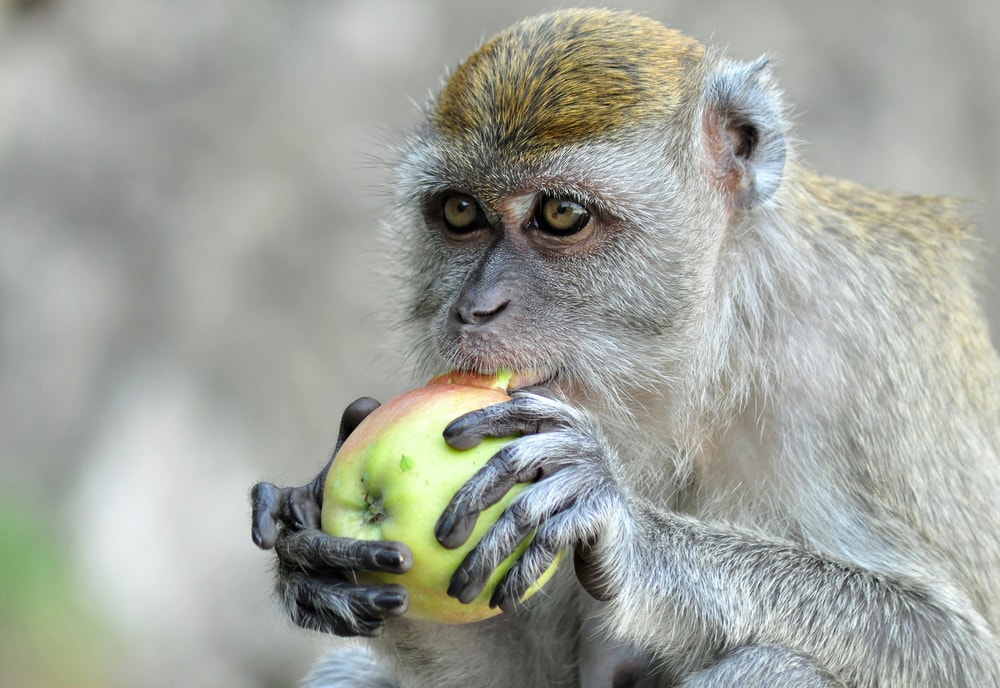
What do monkeys eat in the Jungle Other than Bananas
What do monkeys eat: Most monkeys are omnivores, meaning they eat both plant-based foods and small animals. This varied monkey diet allows them to thrive in diverse environments, from dense jungles to open savannas.
Whether you’re wondering what do monkeys eat, what do monkeys eat in the wild, or what do monkeys eat in the jungle, the answer centers on adaptability—fruits, leaves, insects, and occasional meat all play roles depending on species, season, and habitat.
Main Foods Monkeys Eat
Monkeys consume a wide range of foods monkeys eat, broken down into clear categories for easy understanding. Their diet shifts with availability, but certain items dominate.
Fruits (Primary Food for Many Species)
Fruits provide quick energy through natural sugars and vitamins. Common choices include bananas, berries, mangoes, figs, papayas, and other fleshy fruits like passion fruit or drupes. In the wild, monkeys favor ripe fruits when available, but they also eat unripe ones or less sugary varieties.
Bananas appear in many zoo settings and popular images, yet wild monkeys encounter them less often unless near human plantations.
What do monkeys eat most often revolves around seasonal fruits, which can make up 50-80% of the diet for frugivorous species.
Leaves, Seeds & Plants
Leaves, seeds, flowers, buds, bark, pith, gum, nectar, and grasses supply fiber, protein, and minerals. Leaf-eating monkeys (folivores) like howler monkeys or colobus species rely heavily on young leaves for nutrition.
Seeds and nuts offer concentrated energy, while flowers and nectar add variety. These plant foods become crucial during fruit shortages, helping monkeys maintain energy in changing seasons.
Insects & Small Animals
Insects such as ants, termites, snails, and other invertebrates provide essential protein. Many monkeys actively forage for them by probing bark or using hands to dig. Small animals round out the animal portion of the diet.
This combination makes the monkey diet highly flexible and nutrient-balanced.
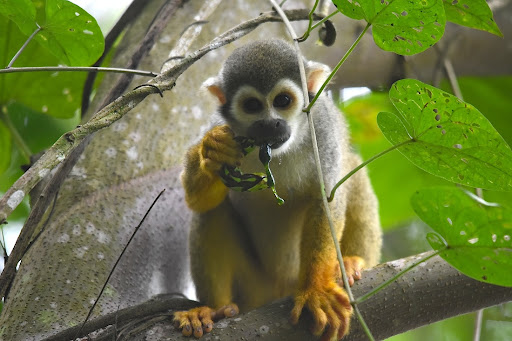
Do Monkeys Eat Meat?
Do monkeys eat meat? Yes, occasionally, though it rarely forms a large part of their overall intake. Most meat consumption involves insects or small vertebrates like bird eggs, small birds, lizards, frogs, snails, or even occasional small mammals.
Some species, such as capuchins, baboons, and especially chimpanzees (often grouped in broader primate discussions), hunt more actively and eat a wider variety of meat—up to dozens of vertebrate species in the case of chimps.
However, for typical monkeys, meat is opportunistic and provides micronutrients or extra protein when plant foods fall short.
What do monkeys eat meat sources are usually much smaller than the monkey itself. Larger kills are rare and often involve group hunting in species like baboons.
Colobine monkeys (leaf specialists) eat almost no meat at all. Overall, meat-eating occurs in at least 89 primate species, but it accounts for a small percentage of feeding time and calories for most monkeys.
Monkey Diet in the Wild vs Captivity
What do monkeys eat in the wild depends heavily on habitat and season. In tropical forests or jungles, monkeys forage for abundant fruits, leaves, and insects year-round, with diets shifting as different trees fruit or flowers bloom.
Savannah or drier areas push monkeys toward more leaves, seeds, or ground-foraged items. What do monkeys eat in the jungle often includes a higher proportion of canopy fruits and arboreal insects.
In captivity, diets become more controlled to prevent health issues like diabetes from overly sugary foods. Zookeepers provide monkey chow (balanced pellets), fresh fruits and vegetables, nuts, seeds, and supplements.
Fruits remain popular but are limited; vegetables and fiber-rich items increase. Enrichment foods encourage natural foraging behaviors.
Wild diets are more varied and seasonal, while captive ones prioritize nutrition and portion control to mimic natural needs without excess calories.
Diet Differences by Monkey Species
Not all monkeys follow the same monkey diet. Species differences add fascinating variety:
- Frugivores (fruit-eaters) like spider monkeys or woolly monkeys focus primarily on fruits, supplemented by leaves and seeds.
- Folivores (leaf-eaters) such as howler monkeys or langurs specialize in leaves and flowers, with digestive systems adapted for high-fiber processing.
- Insectivores lean toward ants, termites, and other bugs; squirrel monkeys, for example, can get up to 75% of their diet from insects in some seasons.
- Omnivores like capuchins, macaques, or baboons eat a broad mix, including small animals, eggs, and even occasional larger prey when opportunities arise.
These variations reflect evolutionary adaptations to specific niches. A proboscis monkey might stick mostly to leaves and unripe fruit, while a capuchin uses intelligence to access diverse foods.
How Monkeys Find Food
Monkeys excel at foraging, spending significant time searching for meals. They climb trees with agility, using prehensile tails (in some New World species) or strong limbs to reach canopy fruits and flowers.
Intelligence plays a key role—monkeys remember food locations, observe seasonal patterns, and learn from troop members.
Some species use tools: capuchins crack nuts with rocks or sticks to extract insects from bark. Cheek pouches in Old World monkeys allow temporary food storage for later eating in safer spots.
Group foraging improves efficiency and predator detection. In short, monkeys combine physical skill, memory, and problem-solving to locate what they need.
How Much Do Monkeys Eat
Monkeys eat frequently throughout the day rather than in large single meals. Smaller species with high metabolisms may feed almost constantly, while larger ones take bigger portions less often.
Many spend 4–7 hours daily foraging and eating because plant-based foods are lower in calorie density than meat-heavy diets.
Exact amounts vary by body size, activity level, and food type. A typical monkey might consume hundreds of grams to several kilograms of mixed foods per day, adjusting for energy needs. Frequent small intakes help maintain steady energy in unpredictable wild environments.
Where Monkeys Get Food
Habitat directly influences what do monkeys eat. Tropical rainforests and jungles offer the richest variety—layered canopies full of fruits, leaves, flowers, and insects. Monkeys here find food at different forest levels: ground, understory, or high canopy.
Savannas and woodlands provide more ground-level foraging for seeds, grasses, roots, and occasional small animals, though trees still supply fruits and leaves. Montane or drier forests limit options, pushing reliance on hardy plants or gums.
Across Africa, Asia, and the Americas, monkeys adapt their monkey diet to local plant and animal availability, demonstrating remarkable resilience.
Interesting Facts About Monkey Diet
Monkeys rank among the most adaptable eaters in the animal kingdom. They use dexterous hands to pick, peel, and manipulate food precisely. Some species employ tools not just for access but to improve diet quality—cracking hard shells for nutrient-rich nuts.
Wild fruits differ from store-bought ones: they tend to be higher in fiber and protein but lower in sugar, suiting monkey digestion better. Monkeys cannot synthesize vitamin C, so they obtain it naturally from fresh produce.
In groups, social learning helps young monkeys discover safe and tasty foods. Overall, their opportunistic approach—eating what is available—has helped primates survive millions of years of environmental change.
What do monkeys eat and drink? They drink water from streams, rain puddles, or dew on leaves, and some obtain moisture directly from juicy fruits.
FAQs about What do monkeys eat
What is a monkey’s favorite food?
Many monkeys love ripe fruits like mangoes, figs, or berries for their sweetness and energy. In captivity, bananas often top the list, though wild preferences vary by season and availability.
Do monkeys eat meat?
Yes, occasionally—mostly insects, eggs, lizards, or small birds. Some species hunt more actively, but meat is supplementary for most.
Do monkeys eat bananas?
What do monkeys eat bananas—yes, they do, especially in captivity or near plantations. In the wild, bananas are not a staple; monkeys prefer a broader range of native fruits.
What do monkeys eat in the wild?
What do monkeys eat in the jungle or forest includes fruits, leaves, seeds, flowers, insects, and occasional small animals, all foraged seasonally.
What do monkeys eat other than bananas?
Leaves, seeds, nuts, flowers, ants, termites, bird eggs, lizards, and many other fruits and plants.
How often do monkeys eat?
Throughout the day, often spending several hours foraging. They eat small amounts frequently to meet energy demands.
Do monkeys eat humans?
No. Monkeys do not eat humans. They are not predators of large animals like people and avoid confrontation when possible.