

Best Backpack for Gorilla Trekking & their Key Features
Best Backpack for Gorilla Trekking: The best backpack for gorilla trekking is a 20–30 litre, waterproof or highly water-resistant daypack with a padded hip belt, breathable back panel, and a rain cover — big enough for 2–3 litres of water, snacks, rain gear, and a camera, but small enough to move easily through Bwindi’s narrow, vine-tangled trails.
Our top picks are the Osprey Talon 22, Deuter Futura 28L, Gregory Miwok 24, REI Co-op Trail 25, and North Face Borealis 28L — each covered in detail below, alongside the key features to check before you buy, a full packing checklist, and the mistakes we see trekkers make most often on our own Bwindi and Volcanoes National Park treks.
Gorilla trekking is a bucket-list adventure that takes you deep into the misty rainforests of Uganda, Rwanda, or the Democratic Republic of Congo.
Trekking through dense vegetation in Bwindi Impenetrable Forest, Volcanoes National Park, or Virunga to encounter mountain gorillas is unforgettable — but only if you’re properly equipped.
Choosing the right gorilla trekking backpack is one of the most important decisions you’ll make for comfort, safety, and protecting your gear during these strenuous 2- to 8-hour hikes.
Key Features to Look For
Before comparing specific packs, here’s what actually matters when you’re shopping for a “gorilla trekking backpack” or “waterproof daypack for Uganda gorilla trek” — in order of importance:
- Waterproof or highly water-resistant material. Rain can start anytime in the rainforest, regardless of season. Look for rugged fabrics like Cordura or ripstop nylon with a TPU coating, and ideally an included or compatible rain cover. Many of our own trekkers add a separate dry bag inside for extra protection of cameras and passports.
- Lightweight design (under 2–3 lbs empty). Every ounce counts on Bwindi’s steep, muddy ascents. An ultralight but durable pack prevents fatigue well before your gorilla encounter.
- Optimal capacity: 20L–30L. This size holds 2L of water, a layer, snacks, camera gear, and binoculars without becoming bulky. Anything larger becomes genuinely cumbersome squeezing through tight forest trails and vine tangles.
- Comfort and ventilation. Padded, adjustable shoulder straps, a breathable mesh back panel, and a supportive hip belt are non-negotiable for multi-hour treks — this is the single biggest factor in whether your pack feels fine or miserable by hour three.
- Hydration compatibility. A built-in sleeve for a hydration bladder, or easy-access side pockets for bottles. Staying hydrated matters at altitude and in humid rainforest conditions.
- Smart organisation and external attachment points. Multiple compartments, quick-access pockets, and loops or straps for trekking poles, a rain jacket, or gaiters.
- Durable zippers and security. YKK zippers and lockable pulls keep documents and valuables secure on the trail.
- Extras worth having. An included rain cover, reflective accents, and trekking-pole compatibility are useful but secondary to the features above.
If a pack ticks the first five boxes, it will serve you well on any Bwindi, Volcanoes, or Virunga trek — the rest are nice-to-haves.
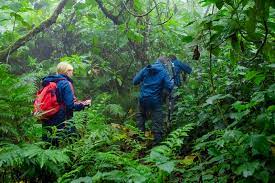
Top 5 Best Backpack for Gorilla Trekking
Here are our recommendations, chosen based on durability, comfort, and functionality for East and Central African rainforest conditions:
1. Osprey Talon 22
- Lightweight and breathable back panel
- Hydration bladder compatibility
- Multiple compartments for easy organisation
A strong all-round pick for trekkers who want the lightest comfortable option without sacrificing organisation.
2. Deuter Futura 28L
- Excellent ventilation system for comfort
- Rain cover included
- Adjustable hip belt for weight distribution
The larger capacity and included rain cover make this a good choice if you’re combining gorilla trekking with a longer wildlife safari and need to carry a bit more gear in one bag.
3. Gregory Miwok 24
- Water-resistant design
- Compact but spacious, with plenty of pockets
- Padded shoulder straps for comfort
A well-balanced middle option between the ultralight Osprey and the larger Deuter.
4. REI Co-op Trail 25
- Budget-friendly option
- Adjustable torso length for a customised fit
- Built-in rain cover
The best pick if you want solid performance without the premium price tag of the other options.
5. North Face Borealis 28L
- Durable and versatile for hiking and travel
- Large main compartment with laptop sleeve (useful if you’re working remotely before or after your trek)
- Side pockets for water bottles
A practical choice for trekkers who want one bag that doubles as everyday travel luggage for the rest of their Uganda or Rwanda trip.
Why a Dedicated Gorilla Trekking Backpack Matters
Gorilla trekking involves steep, muddy trails, thick undergrowth, thorny plants, and unpredictable tropical downpours. Porters are often available at the trailhead (highly recommended — it supports local communities and lightens your load), but you’ll still carry a daypack yourself with water, snacks, rain gear, camera, and personal items.
A poor-quality bag leads to discomfort, wet electronics, strained shoulders, or lost items — none of which you want to be dealing with when you finally come face to face with a silverback. The best backpack for gorilla trekking keeps you dry, organised, and balanced so you can focus on the magic of spotting silverbacks, mothers, and playful infants in their natural habitat. See our gorilla trekking tips and tips for planning a perfect gorilla trek pages for the fuller preparation picture beyond just your backpack.
What to Pack in Your Gorilla Trekking Backpack: Complete Checklist
A well-packed 20–30L bag makes all the difference. Here’s a practical gorilla trekking packing list tailored for Uganda and Rwanda:
- Hydration: 2–3 litres of water (a hydration bladder is preferred) plus electrolyte packets.
- Snacks: Energy bars, nuts, dried fruit, chocolate — quick energy for steep sections.
- Rain protection: A lightweight waterproof rain jacket or poncho, plus a pack rain cover. Some operators provide ponchos, but bring your own for reliability.
- Photography gear: A camera with a zoom lens (no flash allowed), extra batteries, memory cards, binoculars, and a protective dry bag.
- Health and safety: A small first-aid kit (blister plasters, painkillers, antiseptic), personal medications, anti-malarials if prescribed, hand sanitiser, insect repellent (DEET), and high-SPF sunscreen. Biosecurity note: UWA guidance for 2026 recommends bringing a high-quality mask (N95/KN95 or surgical), since masks may be required at short notice based on current disease-risk assessments.
- Clothing layers: A lightweight long-sleeved shirt in neutral colours (greens, browns, khakis — avoid bright colours or camouflage patterns), quick-dry trousers or zip-offs, extra socks, lightweight gloves for nettles, and a change of clothes for after the trek.
- Footwear support: Sturdy, waterproof hiking boots with ankle support (break them in before you travel). Pack gaiters if you have them.
- Documents: Your gorilla permit (printed or digital), passport, ID, park entry tickets, and a small waterproof wallet.
- Miscellaneous: A headlamp or flashlight, hat or cap, buff/neck gaiter, trekking poles (optional but genuinely helpful), and a small towel or microfibre cloth.
Pro tip: Use packing cubes or zip-lock bags to organise and keep items dry inside your pack. Place heavier items close to your back and frequently used items in top or side pockets. See our full gorilla trekking packing list for an even more detailed, printable version.
Gorilla Trekking Rules You Need to Know
Every backpack decision should account for the actual rules you’ll be trekking under — this isn’t just background information, it directly affects what’s worth carrying:
- Maintain a minimum distance of 7 metres from the gorillas at all times.
- No flash photography — pack a camera and lens that perform reasonably in low light instead.
- Viewing time is strictly limited to one hour once your group locates the gorillas.
- Maximum 8 visitors per habituated gorilla group, per day.
- Current UWA biosecurity guidance recommends high-quality masks and mandatory hand sanitiser use before and after trekking, and visitors showing signs of illness may be denied participation.
See our is gorilla trekking safe and uganda gorilla trekking permit pages for the fuller rules and permit process.
Additional Tips for a Comfortable Gorilla Trek
- Hire a porter. For roughly $10–20, a local porter carries most of your gear, supports the community, and frees you to enjoy the forest instead of your shoulders.
- Dress appropriately. Neutral, long layers protect against insects, nettles, and scratches. Waterproof boots are essential, not optional.
- Prepare physically. Treks can be genuinely strenuous, especially in Bwindi’s steeper sectors. Train with hills and stairs beforehand — see our how to physically prepare for gorilla trekking page for a proper training plan.
- Consider the season. The wet season (March–May, October–November) brings more rain but greener scenery and fewer crowds; the dry season offers easier underfoot conditions. See our best time to go gorilla trekking and which month is best for gorilla trekking in Uganda pages for a month-by-month breakdown.
Common Mistakes to Avoid
- Overpacking your daypack — a heavier bag slows you down and tires you out faster than you’d expect.
- Using a non-waterproof bag and hoping the weather cooperates.
- Forgetting rain protection entirely, even in the “dry” season.
- Wearing cotton clothing that stays wet and heavy once soaked.
- Carrying too much camera gear “just in case” — a single capable camera beats three backup options you’ll never use mid-trek.
See our mistakes to avoid on a gorilla trekking safari page for the fuller list of first-timer errors we see most often.
Tips for Carrying Your Backpack Comfortably
- Distribute weight evenly — place heavier items close to your back.
- Adjust the straps — tighten shoulder and waist straps properly for better weight distribution; a loose hip belt defeats the point of having one.
- Use packing cubes — keeps items organised and stops them shifting mid-trek.
- Keep frequently used items accessible — snacks, water, and your camera belong in easily reachable compartments, not buried at the bottom.
FAQs — Best Backpack for Gorilla Trekking
What size backpack is best for gorilla trekking? 20–30 litres is the sweet spot — large enough for water, snacks, rain gear, and a camera, small enough to move easily through dense forest trails.
Do I need a waterproof backpack for gorilla trekking? Yes, strongly recommended. Rain is common in the rainforest year-round, not just during the official wet season.
Can I rent a backpack or gear locally? Boots and sometimes ponchos are available at some trailheads, but backpacks generally aren’t — bring your own, since fit and quality matter over multiple hours of trekking.
Is the best backpack different for Rwanda vs. Uganda gorilla trekking? No — the same features apply in both countries, since trail and weather conditions in Bwindi, Volcanoes National Park, and Virunga are broadly similar. See our gorilla trekking Rwanda vs Uganda page if you’re deciding which country to trek in.
What else should I budget for besides my backpack and gear? Your gorilla permit is the largest single cost — see our cost of gorilla trekking and gorilla and chimpanzee tracking permits pages for current pricing, plus our how much should you tip a gorilla trek guide page for tipping etiquette on the day.
Final Thoughts: Choosing the Best Backpack for Gorilla Trekking
Selecting the best backpack for gorilla trekking is a crucial part of ensuring a smooth, enjoyable experience. A lightweight, waterproof, well-ventilated backpack lets you carry all your essentials comfortably while keeping your gear safe through Bwindi’s mud, rain, and thick vegetation.
Whether you choose the Osprey Talon 22, Deuter Futura 28L, Gregory Miwok 24, REI Co-op Trail 25, or North Face Borealis 28L, make sure the pack suits your own fit, budget, and trip beyond the trek itself.
With the right backpack, proper packing, and a well-planned trek, you’ll be fully prepared for an unforgettable gorilla trekking adventure in Africa.
Ready for Your Gorilla Trekking Adventure? Book with Hail Tours Uganda
Selecting the right backpack and packing smartly sets the foundation for an incredible experience. But the real magic happens when you step into the forest with expert guides who know every trail and every gorilla family.
At Hail Tours Uganda, we specialise in unforgettable gorilla trekking safaris in Bwindi Impenetrable National Park and beyond. Our experienced guides, comfortable transportation, top-tier accommodations, and personalised itineraries mean you focus on the adventure — not the logistics.
Whether it’s a short 3-day gorilla trekking Uganda package or a combined 7-day Uganda primates safari, we handle the details so you create lifelong memories.
Don’t just dream about standing metres from majestic mountain gorillas — make it happen. Contact us today to plan your tailored gorilla trekking safari. Secure your permits early, pack the perfect backpack, and get ready for the wildlife encounter of a lifetime in the heart of Africa.
Related Pages
- Gorilla Trekking Packing List
- Gorilla Trekking Tips
- Tips for Planning a Perfect Gorilla Trek
- How to Physically Prepare for Gorilla Trekking
- Mistakes to Avoid on a Gorilla Trekking Safari
- Uganda Gorilla Trekking Permit
- Cost of Gorilla Trekking
- Is Gorilla Trekking Safe?
- Best Time to Go Gorilla Trekking
- Uganda Gorilla Trekking


